The first thing to notice about J&J Snack Foods is where you encounter it. A movie theater. A ballpark. A convenience store. Places where the snack accompanies something else. The pretzel is warm, the ICEE is blue, and the parent company is practically invisible. Yet that overlooked interval between activities has supported a remarkably concrete business: factories, freezers, delivery routes and people who repair machines.
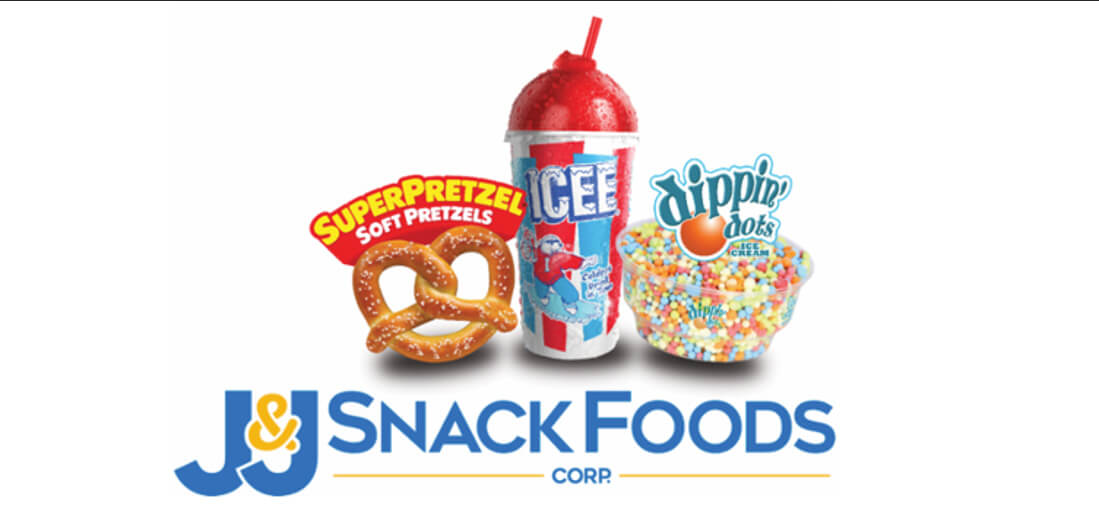
- One owner connects SUPERPRETZEL, ICEE and Dippin’ Dots.
- Its buyers include concession operators, schools and supermarkets.
- The offer extends from snacks to equipment and service.
A bid for the interval
In 1971, Gerald B. Shreiber bought the assets of J&J Pretzel at a bankruptcy auction for $72,100. The operation had eight employees and $400,000 in sales. The failure came before the familiar brand portfolio: the business he bought was already in bankruptcy. The purchase price tells us what the assets cost, without telling us everything required to rebuild them.
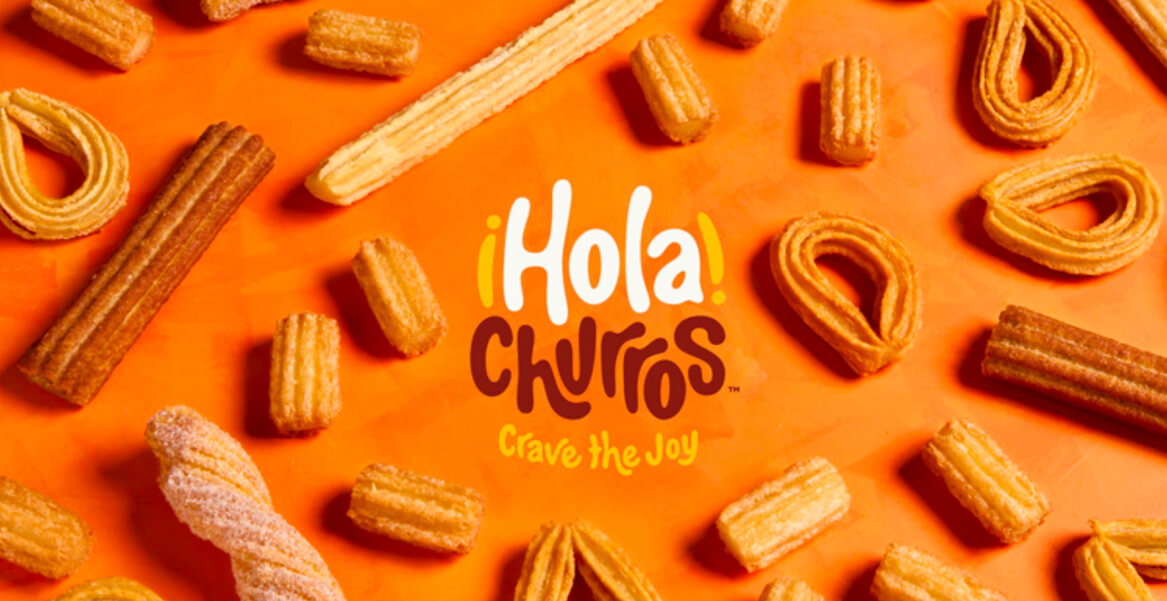
Consider the sequence that followed. Churro rights and assets arrived in 1980. The company went public in 1985. ICEE-USA joined in 1987. LUIGI’S Real Italian Ice entered supermarkets in 1989. These products have little resemblance on a plate. Put them behind a concession counter, though, and the family resemblance becomes easier to see.
The portfolio suggests a useful interpretation of J&J’s expertise. It learned to serve the operator who needed something recognizable, convenient and ready when the crowd arrived. A new product could travel toward an existing kind of customer. Over time, the company expanded beyond the original pretzel into baked goods, frozen novelties and drinks.
The customer behind the customer
There are two customers in this story. One wants a treat. The other has to serve it. J&J’s foodservice operation addresses the second with products for restaurants, convenience stores, colleges and K-12 schools, plus recipes and preparation ideas. A funnel cake can become funnel cake fries; pretzel bites can become an appetizer. Convenience here includes the kitchen’s workload.
The range reaches into domestic routines, too. Supermarkets sell the company’s frozen desserts and bakery products. Mary B’s brings biscuits; Daddy Ray’s brings fig and fruit bars. DOGSTERS supplies ice cream style treats for dogs, an amusing reminder that the freezer’s audience need not walk on two legs. J&J also manufactures snacks for partners through its contract operation.
ICEE makes the service proposition particularly visible. Its Total Program combines equipment, branded flavors, marketing support, payment options and round-the-clock service. The business says it supports more than 100 service centers across the United States. An operator choosing a frozen drink supplier is therefore making a decision about who will help keep the counter working.
“Fiscal 2026 has been a year of disciplined transformation”Dan Fachner, president and CEO · August 2026

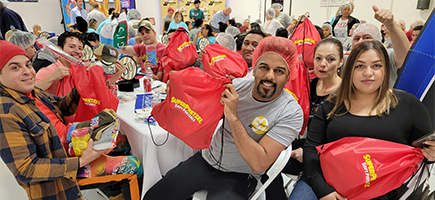
The company’s recruiting language emphasizes fun and collaboration. Its corporate responsibility materials also emphasize employee training, workplace safety and food quality. Those are stated priorities, with a serious operational purpose in a business that handles food at scale.
That combination helps explain its position against competing snack suppliers. A private-label dessert or another bakery can compete for the order. Popcorn and candy compete for the consumer’s money. J&J brings several recognizable brands and supporting capabilities to the conversation. My reading of the advantage is straightforward: fewer separate problems for the operator to coordinate.
The freezer sets the rules
In June 2022, J&J acquired Dippin’ Dots, including Doc Popcorn. The announced price was about $222 million; the subsequent annual report recorded approximately $223.6 million in cash after adjustments. The company’s stated logic included overlapping opportunities in entertainment venues, amusement locations, theaters and convenience. Buying another product for those channels was a substantial financial commitment.
But a customer relationship cannot repeal physics. Classic Dippin’ Dots needs storage around -40°F to retain its beaded form, according to the brand’s FAQ. That requirement complicates ordinary grocery distribution. A product can be famous, delicious and still ask more of a freezer than the freezer can deliver.
The retail response has been distinct take-home formats. Sundaes entered grocery stores in 2025; ice cream cup multi-packs followed in 2026. The current range includes Cookies ’n Cream, Chocolate Chip Cookie Dough and Ultimate Brownie Batter. The useful lesson is adaptation: moving a brand into a different channel can require changing the product experience and packaging along with the sales pitch.
The bill comes due
Expansion leaves an operating footprint. Project Apollo, J&J’s transformation program, includes consolidating plants and repositioning production. The company recorded approximately $24 million in plant closure costs in fiscal 2025’s fourth quarter and another $6.1 million in fiscal 2026’s first quarter. Those figures include non-cash write-downs as well as severance and benefits; they are accounting costs, not a single cash check.
By August 2026, management had lifted its full program savings target to $25 million. Targets remain targets. The third-quarter results showed the tension already present: net sales fell 6.2% to $426 million, while gross margin improved from 33.0% to 35.5%. Bakery reductions and lower frozen beverage machine and service sales weighed on revenue. Distribution expenses rose.
The shift is visible in what management is willing to consolidate or discontinue. Its first-quarter filing described moving production into other facilities or ending it as part of sales portfolio optimization. That marks a practical change in emphasis from adding businesses to deciding which production belongs where. Earlier investments in plant capacity and three regional distribution centers helped make the consolidation possible.
Copy the route, count the cost
For another business, the transferable idea is to look closely at the buyer’s next need. Can the same relationship support a related product? Can preparation, maintenance or merchandising remove a practical obstacle? Those questions are useful before an acquisition, and before a school or shop adds a new item.
The conditions matter. Thin customer traffic, expensive freight, limited freezer capacity or a factory network with too much duplication can erode the economics. J&J’s own consolidation makes that visible. The pretzel is the part people remember. The work behind it determines whether the next intermission is worth serving.