The queue was in Samara. The man looking at it was on a beach in Thailand. In an early account republished by Ivideon, Dodo Pizza founder Fedor Ovchinnikov opened his tablet, selected a distant restaurant, and saw one till serving a growing line. He called the manager. Then he checked another city. The useful part of the camera was the distance it erased.
- The job: put live video, recordings, and alerts from different locations into one account.
- The twist: use existing cameras to count visitors, spot queues, and examine business activity.
- The purchase: a service subscription, with hardware and analytics depending on the deployment.
For a restaurant operator, surveillance begins with an ordinary business question. Surveillance usually promises an answer after something goes wrong. A restaurant operator has questions before that happens. Is the queue growing? Is another till needed? Can somebody elsewhere see enough to help? Ivideon’s business sits in that interval between noticing and doing.
01 The camera escapes the building
Founded in 2010 by Andrew Yudnikov and Vladimir Eremeev, Ivideon offers video surveillance as a service. Cameras feed a system that people can reach through a browser, desktop client, or mobile app. Live viewing, archives, and event notifications turn an installation at one address into something manageable from another.
Its routes into that system are unusually practical. Buy a camera with Ivideon built in. Install Ivideon Server to connect supported webcams and IP cameras. Or use Ivideon Bridge to bring existing equipment into the cloud. Server stores its archive locally by default; cloud archiving is an additional option. A customer can begin with equipment already sitting on the shelf.
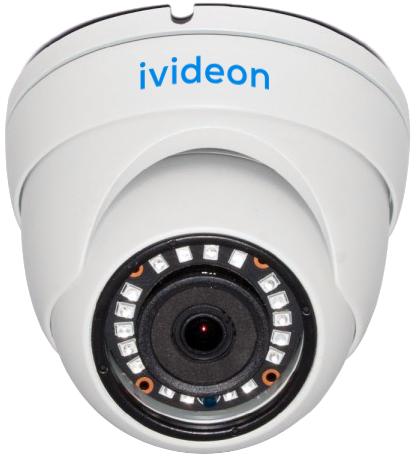
Bridge is advertised for up to 16 cameras, using ONVIF or RTSP connections. Ivideon’s claim of compatibility with 98 percent of cameras is a sales claim, not a substitute for checking your model. The principle, though, is sensible: a working lens need not be discarded because the software behind it has become inconvenient.
02 The money arrived after the apartments went
The first obstacle was financing. In the company’s republished origin story, the founders struggled to find interested investors and financed the start with 4.5 million rubles from selling apartments. Eremeev supplied the technical impetus; Yudnikov came from banking. Remote surveillance was a proposition they had to finance before others would finance it.
Institutional money followed. Impulse VC invested a reported $4 million in 2015. In October 2018, Rusnano Sistema SICAR and Skolkovo Ventures invested $8 million. Yudnikov said the business had reached operational profitability in 2017; the next money would help expand development and overseas marketing. This was funding for a business already in motion.
“Upgrade your old surveillance cameras in ten minutes”Ivideon’s Bridge pitch
By 2019, Bridge gave that pitch a physical form. Kommersant reported seven months of development and roughly 6 million rubles in development costs. Those figures describe building the product, rather than buying it. The expense went into making the installed camera base easier to bring along.
03 A doorway acquires a denominator
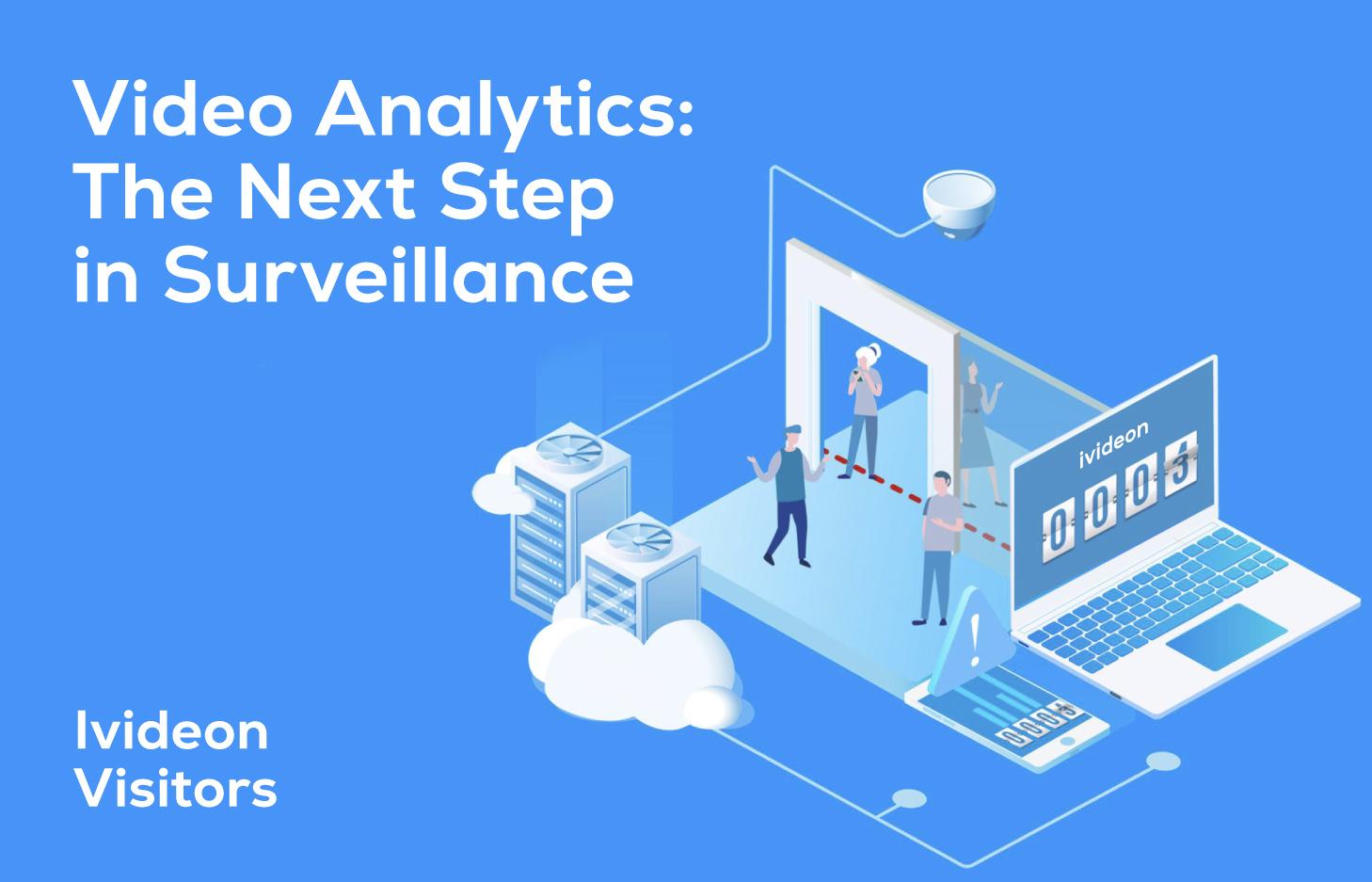
The second job for the camera is measurement. Ivideon offers visitor counting, queue detection, face recognition, license-plate recognition, and cash-register monitoring. These are different tools for different questions. An operator investigating transactions does not need the same view of the world as a retailer studying a doorway.
In June 2024, Ivideon expanded its Visitors module and renamed it Visitors Counting and Traffic. Previously, it counted people crossing an entrance line. The update added people passing through a selected zone. A shop could compare the crowd outside with the visitors inside. Suddenly the entrance count had a denominator.
Entrants ÷ passersby × 100. Purchases require separate sales data.
That distinction matters. A passerby becoming a visitor is not necessarily a visitor becoming a buyer. The module’s dashboards can help assess a window display or compare locations, but they cannot make every commercial inference on their own. A number becomes useful when the operator knows precisely what was counted.
04 Pizza, power projects, and distant offices
The customers explain the breadth. Ivideon’s English homepage names Power Design for remote construction-project monitoring, Henkel for centralized access to production sites and offices, and Värdex for crypto-ATM surveillance. It also describes more than 1,130 cameras in its international pizza-streaming example. These are company-published accounts of deployments.
Pizza adds a pleasing complication: the person watching may be the customer. Public kitchen video lets people see their order being prepared. The same infrastructure can therefore serve an owner’s oversight and a diner’s curiosity. Ivideon also sells home monitoring for children, pets, and property. Its market stretches from a single room to a distributed business.
05 Memory has a monthly price
The recurring business is access, storage, and services around the camera. A published offer for VR arenas lists live streaming at $4 per camera per month and 30-day cloud storage at $25. These are special offer prices, not a universal tariff. They show why camera count and archive retention belong in the budget before anyone celebrates a low starting price.
Cloud surveillance is a crowded category. Eagle Eye Networks also uses bridges to connect cameras to its cloud. Verkada sells cameras and software licenses and offers Command Connector for legacy fleets. Ivideon’s retrofit story is useful, but not exclusive. Buyers should compare supported equipment, recording arrangements, analytics, and the complete recurring bill.
06 Even the cloud needs somewhere local
Ivideon’s June 2024 partnership with server maker Secure Logiq described Node, a local branch of its cloud supporting up to 300 cameras per server, and Smart Bridge, an AI recorder. Hybrid deployment gives the company another answer for customers who need local storage alongside cloud management. The architecture follows the buyer’s operating conditions.

The product continues to change in smaller ways, too. September 2026’s desktop Client 6.21.0 lets live and archived video share a layout. For an operator reviewing an event while watching other cameras, that is a concrete convenience. Support documentation also describes a normal live-feed delay of roughly three to five seconds.
The useful lesson to copy is modest. Start with one operational question and one camera view. Check the counts against observation. Decide who will act on the result. Poor connectivity, an unhelpful angle, or a metric nobody uses can defeat the exercise. At the pizzeria, somebody saw the queue and made a call. That last step remains a human job.