A potato can be perfectly edible and commercially awkward. Too small for the crisp maker, it becomes a problem for the grower: the crop is there, but the intended customer does not want it. In Gujarat’s Banaskantha and Sabarkantha districts, that mismatch helped give Neel Kotak a business idea. Turn the undersized potatoes into flakes. Find a customer who needs the ingredient rather than the shape.
- Small potatoes found a market as dehydrated flakes.
- Contract farming connects the raw material to the finished product.
- Frozen snacks reach kitchens and homes; ingredients reach other manufacturers.
That is the useful starting point for understanding Iscon Balaji Foods. The Ahmedabad company makes French fries, vegetarian snacks and dehydrated potato ingredients. Its consumer brand is Hungritos. Yet the story begins with a question that applies well beyond food: when something fails one buyer’s specifications, who might still pay for it?
The potato that did not fit
Kotak, an IIT Bombay chemical engineering graduate, started the company with backing from promoter groups including Balaji Wafers and JP Iscon. Incorporation came in January 2012; flakes production followed in July 2013. The distinction matters. There was a business to assemble before there was a product to sell.
The early arrangement had practical advantages. A 2015 Brickwork credit report describes potato purchasing through SP Chips Potato and flakes sales to Balaji Wafers, alongside efforts to widen both supplier and customer pools. Existing relationships helped connect the two ends of a new factory. By February 2015, an additional drum dryer had doubled the flakes line from 600 to 1,200 kilograms an hour.
“Helping all stakeholders grow is the only way our company will grow”
Neel Kotak · Times of India · February 2020
Flakes are an unglamorous but versatile destination. They go into formed foods, extruded snacks, fillings and instant mashed potatoes. A buyer making a patty has different requirements from a buyer cutting a long fry. Processing creates another way to sell the crop. The apparent defect becomes less important when the application changes.
Build the field into the factory
Making the product once is one problem. Producing it repeatedly, from an agricultural crop, is another. IBF’s answer is to get involved before harvest. Its contract-farming programme combines agreed buying arrangements with technical support. The company describes a stable market and assured prices for growers, alongside guidance from its agriculture team.
Hungritos’ agrarian account supplies the revealing details. Growers initially depended on two or three potato varieties. IBF says it introduced three European varieties with contracted prices, established collection infrastructure, mapped farms and installed weather stations. It also describes weather and farming messages sent in local dialects, with an agronomist assigned to every 25 growers.
These are small interventions compared with a factory, but they address the factory’s dependence on what arrives at its gate. IBF’s expertise spans agriculture, processing and quality control. Its stated mission puts farmer livelihoods alongside customer service. The commercial logic is straightforward: supporting the grower also supports the supply of usable raw material.
Convenience has a construction bill
The expansion into frozen food needed infrastructure. Brickwork’s 2015 report budgeted an integrated cold-chain project at approximately ₹37.5 crore, financed with a planned debt-to-equity mix of 2.75 to one. Collection, processing, individual quick freezing and cold storage belonged to the same proposal. This was a project estimate, not the lifetime cost of building IBF.
The early accounts also puncture an effortless-growth story. The first operating year, FY2014, recorded ₹14.21 crore in revenue and a ₹0.07 crore net loss. Brickwork flagged foreign-exchange losses, unhedged borrowing and project risk. A promising use for potatoes still needed financing that could survive the time between construction, production and payment.
Estimated project cost. Collection, processing, freezing and storage.
In May 2026, Advent announced an agreed $150 million investment within a $215 million Series A round that also included 360 ONE. January’s separate announcement had described approximately $70 million from 360 ONE. The disclosures overlap; adding them would overstate what they establish. The proposed uses included capacity, supply chains, cold-chain upgrades and international expansion.
Crisil estimated FY2026 revenue at ₹1,945 crore, with exports representing around 79%. Its June assessment also found operating margin had fallen from 20.6% to 17.5%, while receivable days roughly doubled. Cheaper European processing potatoes affected export competitiveness. The lesson is uncomfortable: a growing order book can coexist with price pressure and a longer wait for cash.
Three customers, one crop
A restaurant needs repeatable portions and a product that fits its equipment and service routine. IBF’s foodservice catalogue includes fries, hash browns, wedges, aloo tikki and burger patties. Gold fries are specified at six millimetres and sold in 2.5-kilogram packs. Those details tell a kitchen more than a cheerful snack slogan does.
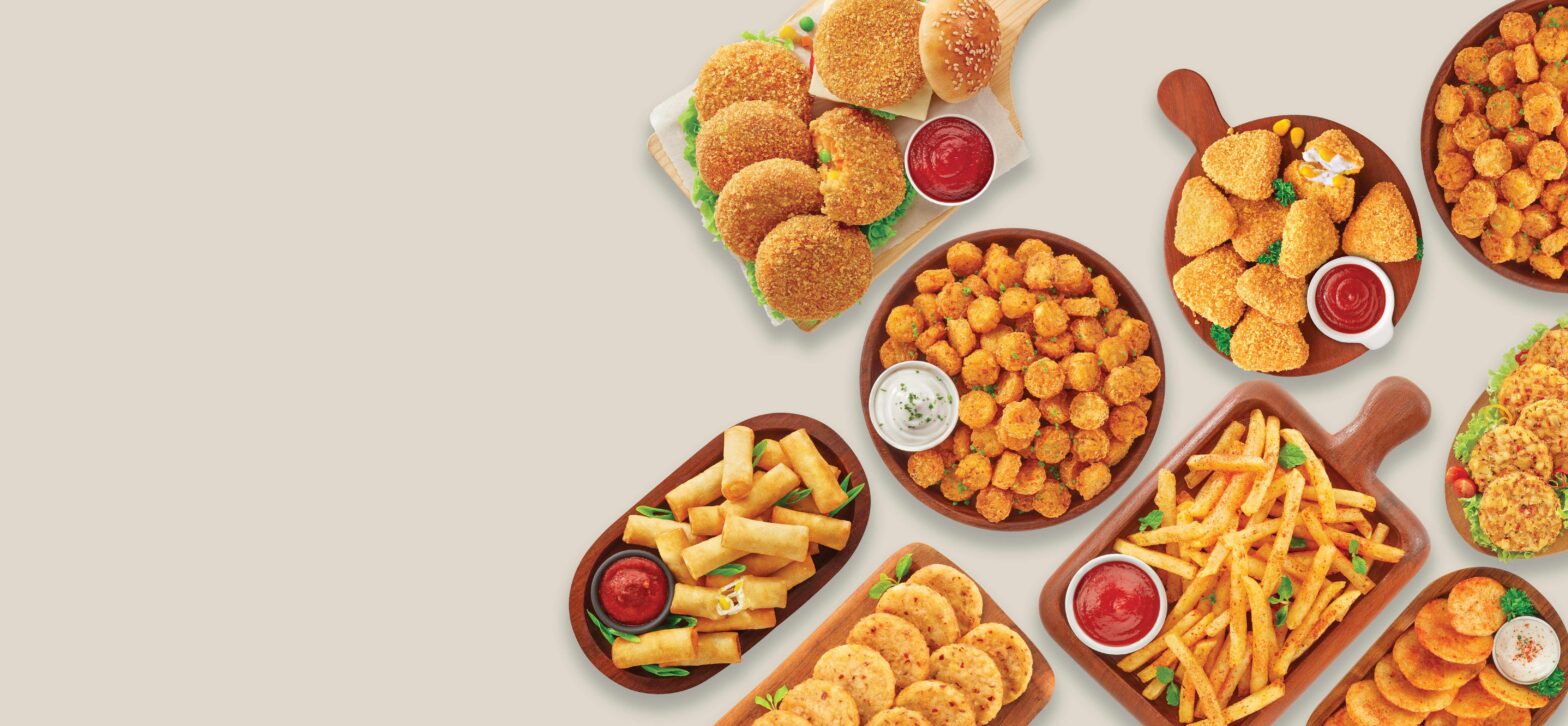
Households encounter consumer packs of classic fries, Aloo Popcorn, Potato Mojjos and Corn Cheese Burstz. Industrial buyers encounter flakes. In June 2026, Hungritos introduced a seven-flavour mashed-potato premix range internationally at Snackex in Lisbon. Convenience takes a different form for each customer: less preparation in the kitchen, a ready ingredient in the factory, a snack waiting in the freezer.
McCain and HyFun are alternatives in frozen potato products. IBF’s particular story lies in combining its flakes origins with farming support, frozen-food production and branded retail. Integration alone does not settle a purchasing decision. Buyers still need to test cooking results, availability and cost against their own requirements.
The next test is repeatability
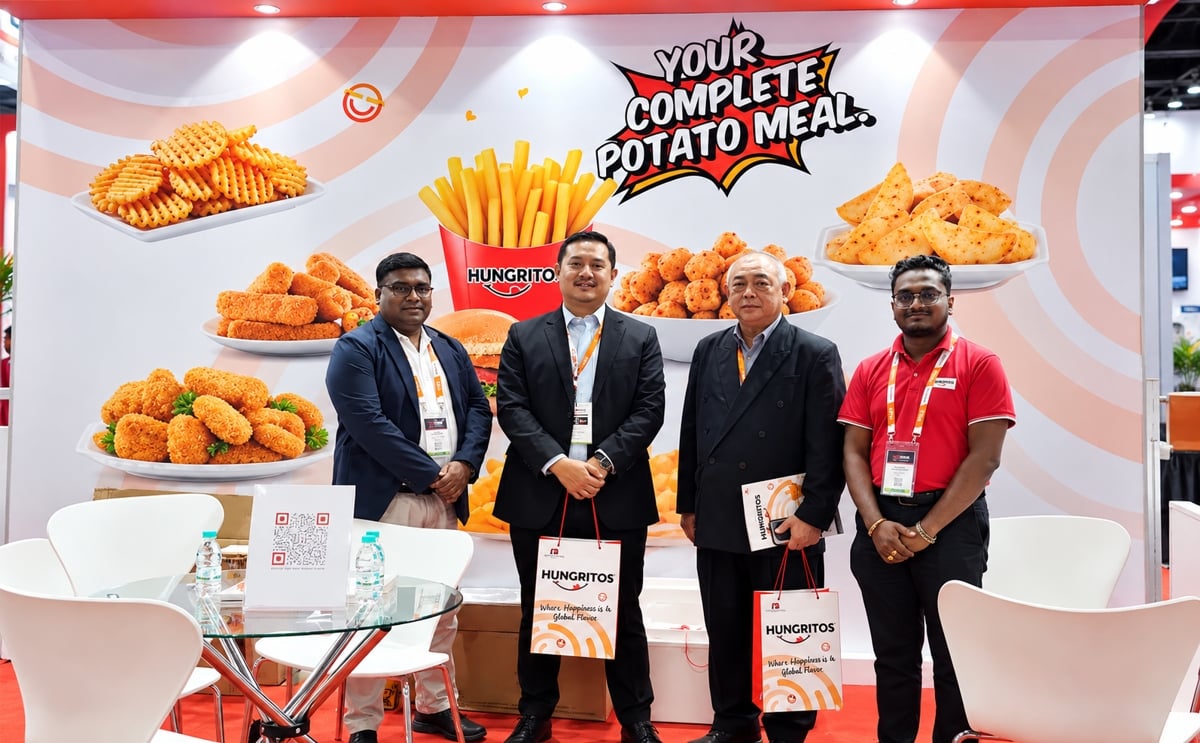
In July 2025, Hungritos announced a French Fries Day marketing collaboration with KFC India. In September 2026, its team took frozen products to MIHAS in Kuala Lumpur, sampling fries and seasoned snacks for regional trade buyers. The company reports exports to more than 35 countries. Every new market adds another journey the product must complete.
For a manufacturer, the copyable move is to find a paying application for overlooked material, then connect sourcing to that customer’s needs. For a kitchen, the useful move is to test the product through an actual service cycle. Both depend on suitable raw materials, reliable storage, committed buyers and enough capital. A clever destination for a small potato is a beginning. Delivering it consistently is the business.