Ilya Bodner’s business education included a food cart. Before the insurance software, the acquisition and the award ceremonies, he was helping pay his way through college by selling food. The venture belongs to a family tradition of practical enterprise: a father’s sewing business, an uncle’s taxi operation, people making a living by finding something other people needed. A business, viewed from that distance, begins with work somebody has to do.
His later career would take him into two industries capable of making a simple request remarkably complicated. A small business wants insurance. A traveler wants a charter flight. Between the request and the purchase sit professionals, information, decisions and considerable administrative effort. Bodner has helped build companies for the people managing that middle stretch. His attention keeps returning to the handoffs.
Bold Penguin, the commercial insurance technology business he co-founded in 2016, became part of American Family in 2021. In January 2025, he handed over the CEO role and was announced as a strategic advisor. His newer company, Goodwin, works with charter aviation brokers and operators. The scenery has changed. There are aircraft now. The recurring concern is how to make an intricate business transaction easier for the people responsible for completing it.
An agent before an exchange
Bodner’s family came from Uzbekistan to Columbus when he was young. Entrepreneurship was something he watched at close range, long before it became a description on a professional profile. Family businesses supplied examples of persistence and improvisation. They also supplied a concrete image of the American dream: build something that can support the people around you.
He attended Ohio State between 2001 and 2005, studying International Studies. His early ventures included the college food cart. These were modest enterprises with immediate feedback. A customer either bought something or kept walking. The education happened alongside the degree, with a different examination schedule.
Insurance entered his life through a high-school job. In 2003, he opened an agency; in 2006, he sold it, having introduced technology to improve its back-office work. The chronology is revealing. He was dealing with an agency’s operating problems years before he helped build an exchange for the wider industry.
Working as an Allstate agent taught him something else: the value of a person who understood the customer and the insurer. Advice had a place in the transaction. The agent could explain a situation, recognize a customer’s needs and advocate for that customer. A better system would have to respect that relationship while reducing the work around it.
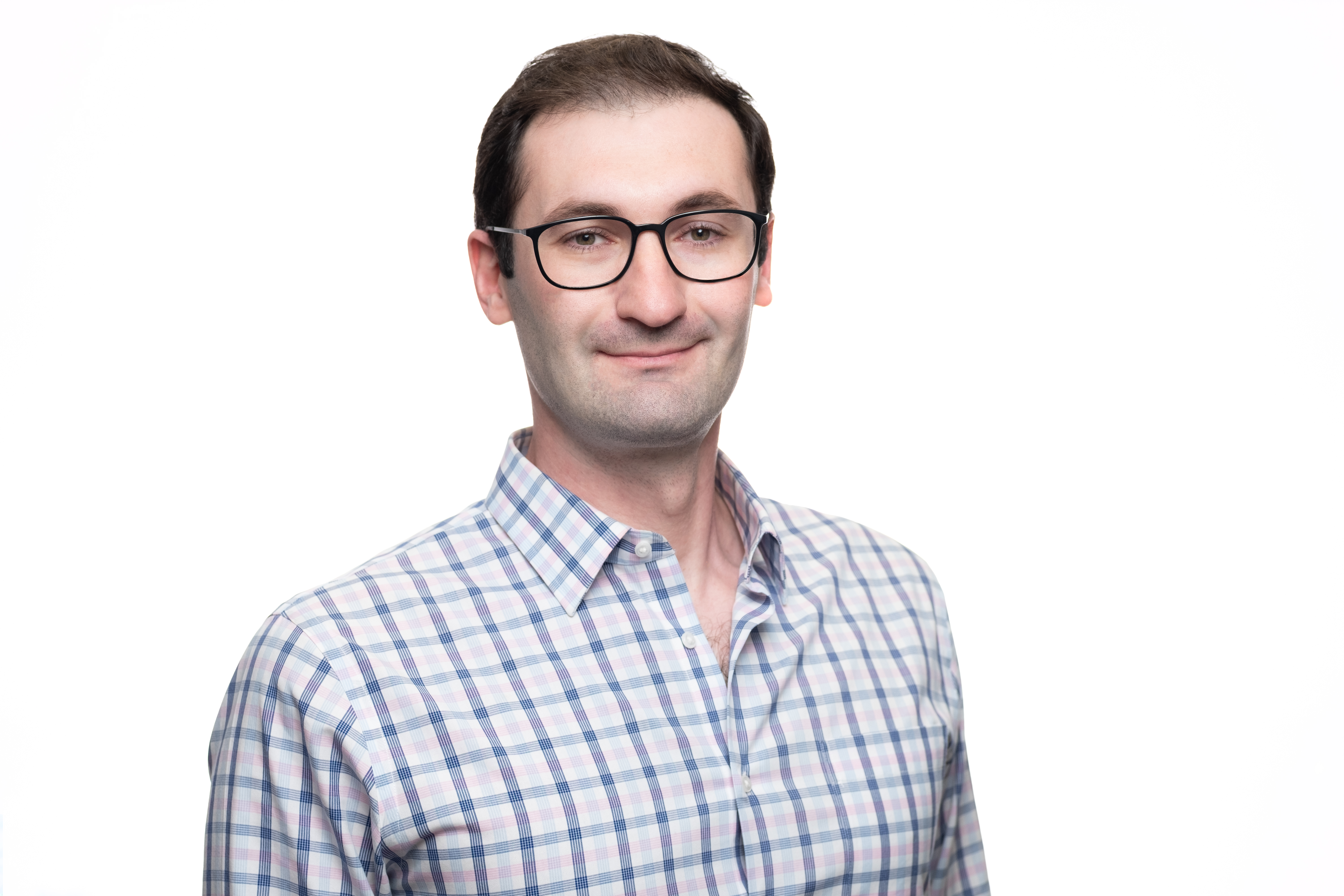
His career also included a partnership and chief revenue officer role at The Shipyard. That chapter put sales, customers and growth on the job description. Across these ventures, a pattern began to emerge: learn how a business actually operates, then look for the unnecessary effort buried in its everyday routines.
The forms were trying to tell him something
In commercial insurance, the unnecessary effort was difficult to miss. Agents had to work out which insurer wanted which kind of business, assemble the right information and move an application toward a quote. Carriers wanted suitable business. Small-business owners wanted coverage. Everyone had an interest in reaching the same destination; the route involved a dispiriting amount of administrative traffic.
Bodner co-founded Bold Penguin with Ben Clarke and Marc DeLeonibus. The founding problem was specific: repeated data entry, poor matches between businesses and agencies, and a fragmented quoting process. The proposed answer was a central platform connecting participants who already needed one another.
That choice shaped the product. Bold Penguin built business software for agents, brokers and carriers. Automation could help standardize information and move work through the back office. The adviser could spend more attention on the customer. The company’s early argument was that existing distribution would work better with improved connections.
A schematic of the workflow, rather than a measured performance comparison.
By October 2016, Bodner was already discussing another kind of operating problem: becoming a CEO. Building a company required structure, capable hires and a balance between telling the story and running the operation. Having a persuasive account of the future could only take the company so far. Someone still had to make the machinery work on Tuesday.
There was a practical difficulty in hiring, too. Becoming responsible for the whole company meant bringing in people whose abilities exceeded his own in particular areas. That can be uncomfortable for a founder accustomed to initiating everything. The operational lesson was to give the business enough structure and expertise to grow beyond the person who started it.
That tension gives the early Bold Penguin story some texture. A founder could describe an industry-wide opportunity while still needing to improve how his own organization made decisions. The company’s promise involved smoother coordination. Delivering it required coordination at home, too.
A band worth keeping together
As Bold Penguin grew, financing became a question of organizational design as much as money. Bodner later described three possible directions: a larger venture round, a public-market route, or an acquisition. Each would have brought capital and a different set of consequences.
His explanation of the eventual decision centered on the team. Bold Penguin had assembled people interested in an unusually particular combination: commercial insurance, software and independent agents. He wanted to preserve that group. His phrase was to “keep the band together.” For once, the band’s preferred venue was an insurance exchange.
“Keep the band together.”
Ilya Bodner, on a priority behind the American Family acquisition
American Family announced the acquisition on January 14, 2021. Financial terms were undisclosed. The announcement said Bodner, Clarke and other leaders and employees would remain. It also set out commitments around the platform’s neutrality, confidentiality and operational autonomy.
Those commitments mattered because the exchange served multiple participants. Becoming part of an insurer raised an obvious question about how other carriers and distributors would be treated. Preserving the platform’s role across those relationships belonged at the center of the deal’s explanation.
Bodner also valued the Midwest connection. Columbus remained part of the company’s identity, and a buyer with a regional affinity was attractive. The acquisition offered resources for expansion while protecting elements he considered worth carrying forward: people, location, relationships and the ability to keep building.
The exchange begins.
American Family announces its acquisition.
A new CEO; Bodner moves to an announced advisory role.
The broker gets another vote
The leadership handoff arrived in January 2025. Peter Settel, previously American Family’s enterprise chief strategy and technology officer, became Bold Penguin’s CEO and president. Bodner and Clarke were announced as strategic advisors. Bodner welcomed Settel after working with him as a partner to the business.
Another company was already taking shape. Goodwin, founded in 2022, brought Bodner into charter aviation alongside a founding team that included Clarke. An insurance exchange and a charter technology business occupy different markets, but both involve professionals coordinating information across several organizations.
Goodwin’s initial focus covered aircraft sourcing, proposals and payments. Its January 2025 expansion beyond an invite-only beta described a platform designed for brokers and operators. Finding an available aircraft was one step. Presenting an offer, adjusting fees and completing payment created further work. The product followed those tasks.
The company subsequently described its development as an expansion from the front end of charter booking into back-office operations. That progression is familiar from Bodner’s agency experience. A customer sees a proposal. Behind it, somebody must assemble the information, track the transaction and reconcile what happened.
There is a useful restraint in the customer choice. Goodwin works through the professionals arranging and operating flights. Its software sits inside their business relationships. The comparison with Bold Penguin is a reading of Bodner’s career: in both chapters, the people handling a complicated transaction become the customers for better tools.
Columbus, with a departure board
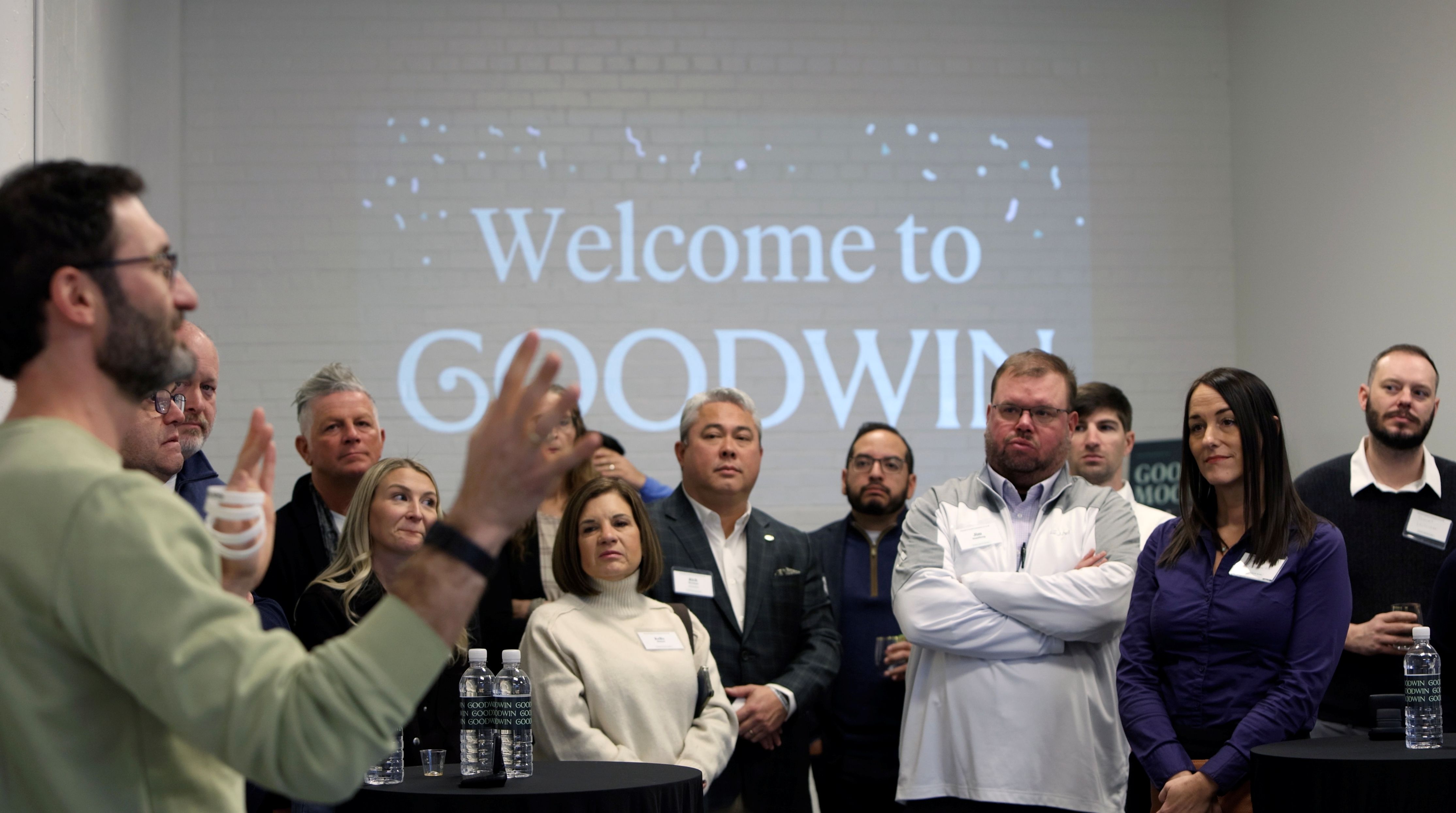
Goodwin’s January 2026 gathering took place at its Columbus headquarters hangar. Nearly 50 brokers and operators joined employees and guests. The company showed technology and invited discussion of the operational work behind charter flights. A hangar makes a fairly direct statement about proximity to customers.
By June, Bodner had been named an EY Entrepreneur Of The Year 2026 East Central Award winner for Goodwin. The recognition placed his aviation company in the public record beside the insurance business for which he was already known.
On October 20, 2026, Goodwin announced the acquisition of STACK.aero, an aviation business operations and customer relationship technology provider. The planned combination connects more of the flight workflow with payments and financial reconciliation. STACK.aero would keep its product, brand and existing team, with Greg Jarrett remaining CEO. Once again, continuity accompanied a transaction.
The details of the STACK.aero announcement make the proposed connection concrete: customer management, aircraft sourcing, contracts and trip management on the operating side; payments and reconciliation on the financial side. The plan is to bring those activities closer together. It extends the work beyond generating a proposal into tracking the obligations that follow a booking.
The ambition has expanded from finding a quote to connecting the financial and operational pieces of a charter business. That is demanding work. A flight can be sold while its administrative life continues through invoices, payments and accounting. Goodwin is building around that longer transaction.
Bodner’s public personality has room for smaller enthusiasms. He has named Michael Jordan as a childhood hero, recommended finding a mentor and expressed an uncomplicated affection for Donatos pizza. Columbus has been a place to study, raise a family and build companies. The career travels across industries; the attachment to home has been durable.
The food cart and the software companies sit a considerable distance apart in scale and complexity. They share a useful point of view, though: pay attention to the person who still has work to finish. Bodner’s career has repeatedly found a business there, in the tasks waiting after the exciting part of the sale.
Follow the conversation
Bodner on LinkedIn · Twitter / X · Goodwin Company · Bold Penguin