Consider the distance between a tray of sandwiches and a county land record. One needs to arrive before lunch. The other may need to survive generations. Both sit inside workflows that somebody has spent years learning to manage. And both help explain Helios Software Group, a business interested in the specialized software that makes those workflows function.
- The business: acquire established software companies serving particular industries.
- The promise: permanent ownership, backed by parent company Valsoft.
- The question for sellers: what happens to the product, people and customers after closing?
Helios occupies an unusual place in the software economy. Its audience includes founders ready to sell, corporate owners disposing of business units, and managers who will keep running the acquired companies. The eventual users are elsewhere: in restaurant operations, local government offices, transportation businesses and compliance departments. To understand the group, start with their work.
A sandwich has a software problem
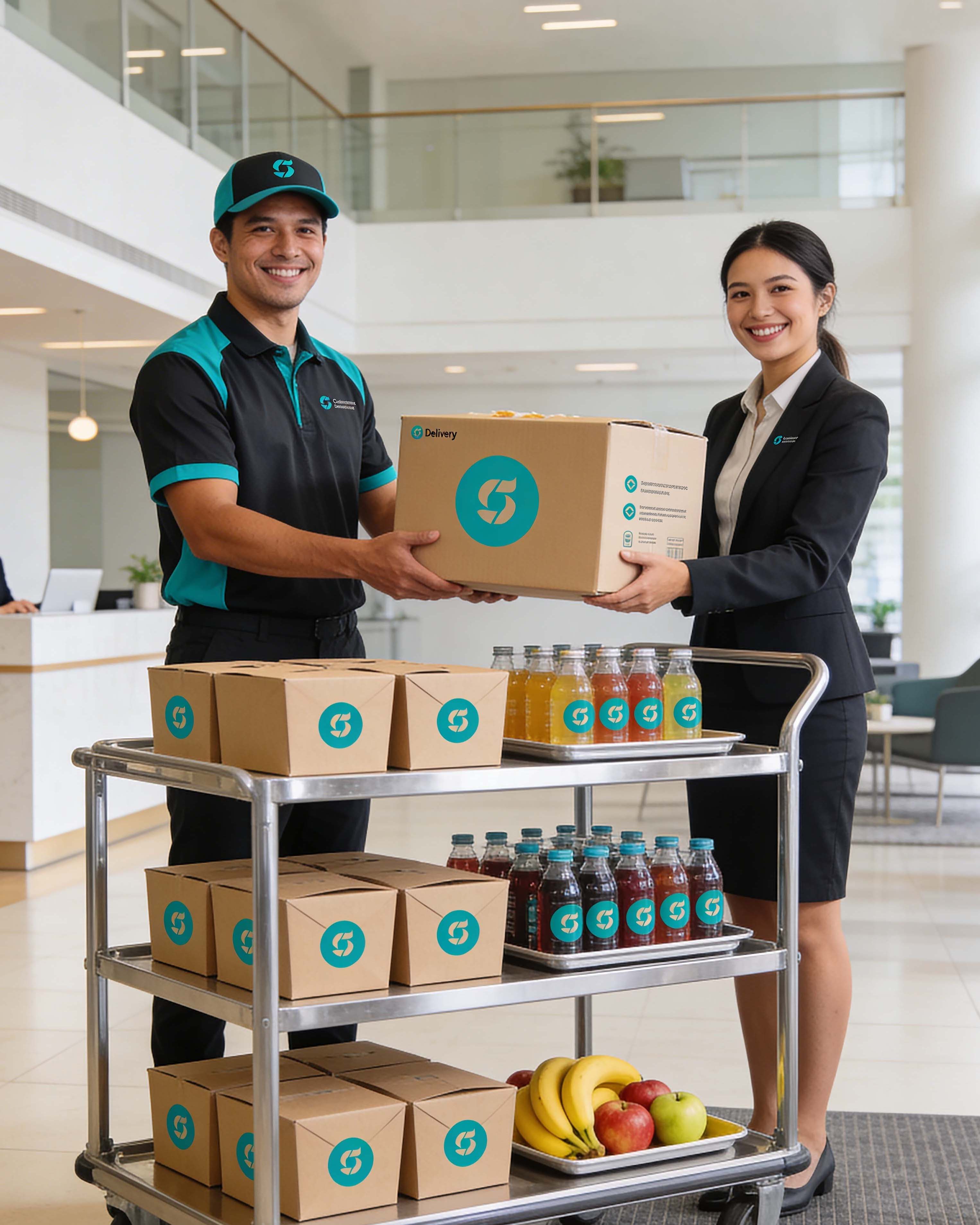
MonkeyMedia, listed in Helios’s portfolio, builds catering management software for restaurant operators. Valsoft acquired it from ezCater in May 2025. The acquisition announcement described a business serving hundreds of brands across the United States and Canada, connecting guest engagement, orders, kitchen operations, delivery, payments and finances.
That list is more revealing than a fashionable product category. A catering sale travels through several departments before anybody eats. MONKEY’s current offering groups the work into ordering, customer relationships, operations and reporting. The software earns its place by understanding the handoffs. A restaurant operator can request a demonstration directly from the portfolio business.
Move across the portfolio and the details change completely. Hudson offers reservations and dispatching for ground transportation operators. Hyper-Reach handles emergency notifications. Cott Systems manages public records, including land and court records. Its history reaches back to 1888. A young operating group can therefore sit above a business whose institutional memory predates the software industry.
The ownership clock
Helios’s proposition starts with what happens after an owner sells. Permanent capital from Valsoft supports an indefinite holding period. Helios says management teams retain autonomy while receiving strategic guidance and operating resources. Founders can discuss continued leadership or advisory involvement. Those are commitments about how ownership should work, with real consequences for the people choosing a buyer.
For a founder, this makes the conversation broader than price. Who decides which customer requests reach the roadmap? Which responsibilities remain local? What support arrives when a leadership role becomes vacant? A seller can use Helios’s published process to ask these questions before signing, while there is still time to make the answers concrete.
“Each company brings a legacy of trust”
Antonino Piazza · Valsoft acquisition announcement · August 2025
The financial mechanism is ownership of operating software businesses. Customers purchase the portfolio companies’ products and services; those businesses generate the revenues that support continuing operations and investment. Helios adds acquisition work and management support above them. There is no single Helios application that a restaurant manager or county clerk needs to learn.
Attention became an operating problem
On October 6, 2025, Valsoft announced seven operating groups, including Helios. Its explanation was specific: a growing portfolio needed more dedicated attention while retaining decentralized management. The groups would provide operational support, customer success and strategic guidance. That organizational change is a useful clue to the problem Helios exists to solve.
Buying businesses adds complexity along with revenue. A central owner must understand enough about each company to help without burying its managers in distant decisions. Operating groups create another level of responsibility closer to those companies. Valsoft’s 2026 brochure identifies Antonino Piazza as Helios’s managing partner, responsible within that broader structure.
The distinction matters when reading its history. Several acquisitions featured in Helios’s news archive happened before the October announcement. Valsoft bought those businesses. Helios now lists a selection in its portfolio. Treating every earlier transaction as an acquisition made by an already established Helios would blur the sequence.
The filter tells the story
Helios publishes acquisition criteria that make its preferences unusually legible. It seeks businesses with $5 million to $100 million-plus in annual revenue and at least 70% recurring revenue. Its geographic focus is North America and Europe. Proprietary software, customer retention and an established competitive position matter. Profitability carries no stated restriction.
Those criteria suggest a search for demonstrated usefulness. Revenue already exists; customers already return. A pre-revenue experiment or a broadly targeted consumer application sits outside that stated focus. The group describes full buyouts or majority investments, all-cash transactions with flexibility for variable consideration, and experience in carveouts. The structure is designed for several kinds of seller.
Consider Alessa, another listed portfolio company. When Valsoft announced its acquisition in June 2025, it reported more than 180 customer organizations across over 20 countries. Its compliance software serves institutions facing financial crime risks. Here, the value lies in a demanding specialist workflow and an established customer base, rather than a product everybody recognizes.
What a seller can take away
Permanent ownership is a competitive market. Banyan Software also offers a permanent home for specialist software businesses, with decentralized management and operating support. Helios’s holding period therefore starts the comparison. Sellers still need to examine the people, resources and decisions that will shape their particular company.
A founder can also prepare for the conversation by organizing evidence around the work customers actually do: which processes depend on the product, how renewals behave, and where service teams spend their time. This follows from Helios’s emphasis on product, customer and financial diligence. It gives a seller a practical way to connect the company’s financial profile with the specialist knowledge that makes those numbers possible. For customers, the useful route remains the individual brand: evaluate its product, request a demonstration and ask about the roadmap for the workflow you need.
The practical lesson is to make continuity testable. Ask who owns the roadmap, how reinvestment is agreed and what management autonomy means when performance disappoints. Helios’s four-step process moves from assessment through diligence and transition to ongoing support. The final step deserves as much scrutiny as the first: customers will experience the ownership change through what happens to their software.