Pick up a multipack of cans and the packaging briefly becomes a structural engineer. It must hold several slippery cylinders together, tolerate the journey home, and surrender one can without surrendering all of them. Graphic Packaging International has a paperboard answer called KeelClip. The interesting thing about it is how much has to happen before that small piece of board can do its job.
- It supplies the package and the machinery that makes the package practical.
- Plastic reduction works when protection, shelf life and production speed survive the switch.
- A projected $1.67 billion mill bill shows the financial weight behind a lightweight product.
The six-pack has a factory problem
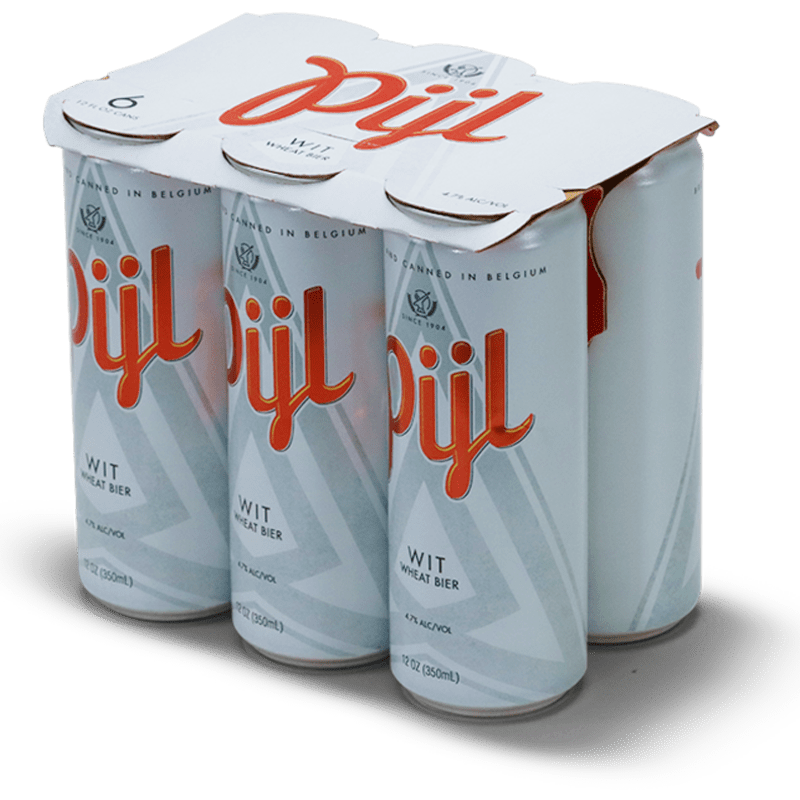
KeelClip replaces plastic rings and shrink film with a paperboard clip over the cans. Finger holes provide a handle. The top covers the drinking surfaces. A center panel helps secure the pack. There is even provision for orienting the cans, so the brands face the shopper together. Apparently, beverage cans also need stage direction.
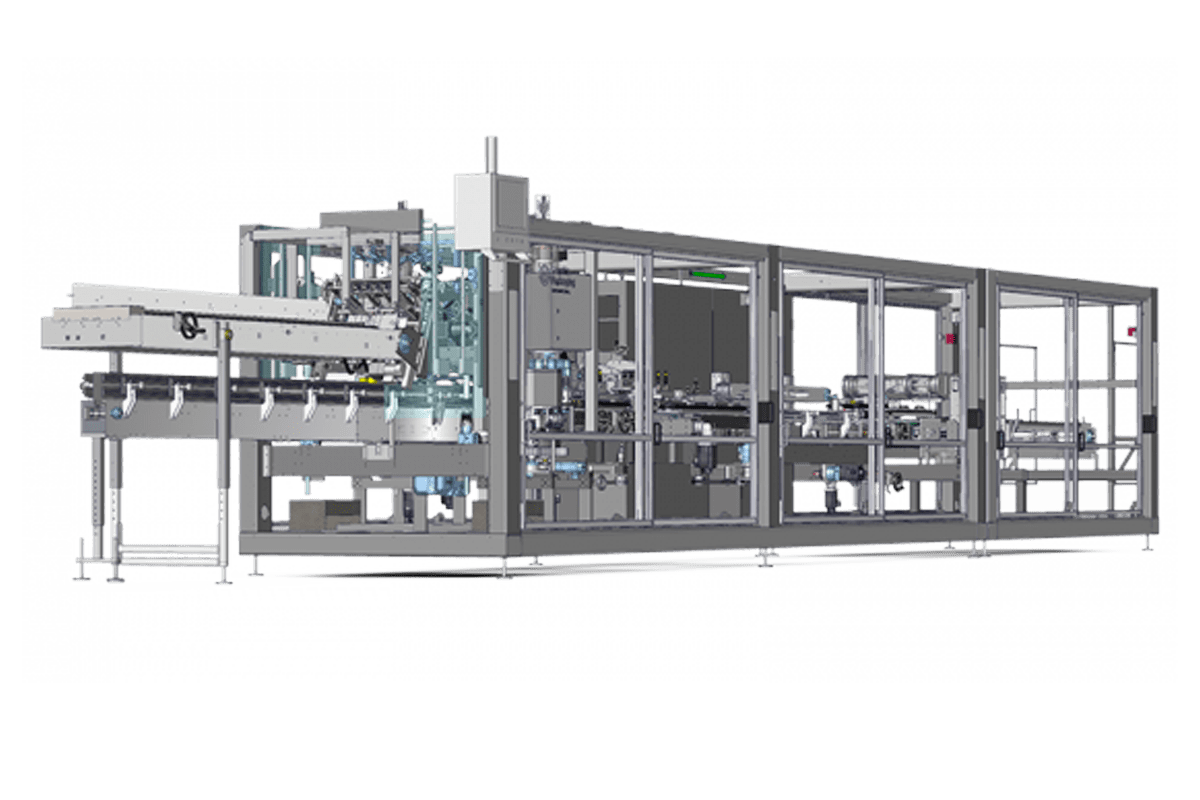
But a bottler buys more than a clever fold. The design comes with an integrated high-speed application system, AutoClip KC1600. Flat blanks arrive at the plant; machinery turns them into something a shopper can carry. The promise depends on material, geometry and equipment agreeing with each other thousands of times.
In 2022, Liberty Coca-Cola Beverages installed the system at its Elmsford, New York, facility. Graphic Packaging projected that the change would remove 75,000 pounds of plastic annually across approximately 3.1 million cases. That is a specific industrial substitution: a named bottler, a production site, a machine and a measurable material change.
This is the company’s useful distinction. It makes paperboard, converts it into packaging, and designs specialized machinery. A customer can work through the material and the production problem with the same supplier. That integration matters when an attractive prototype must become an ordinary Tuesday on a filling line.
Paperboard02
Design03
Convert04
Apply
Dinner is a sealing problem
A can carrier has to keep things together. A chicken tray has to keep things out. In 2024, Graphic Packaging and food producer Moy Park introduced PaperSeal Shape trays for Sainsbury’s private-label breaded chicken. Depending on pack size, the trays used 72 to 82 percent less plastic than the trays they replaced.
The qualification matters: less plastic. These are barrier-lined paperboard trays. Developed with machinery specialist G. Mondini, the design uses a double sealing flange and a rigid structure to maintain a hermetic seal. The company reported shelf life equivalent to the previous plastic tray. The food still has to arrive safely and remain saleable.
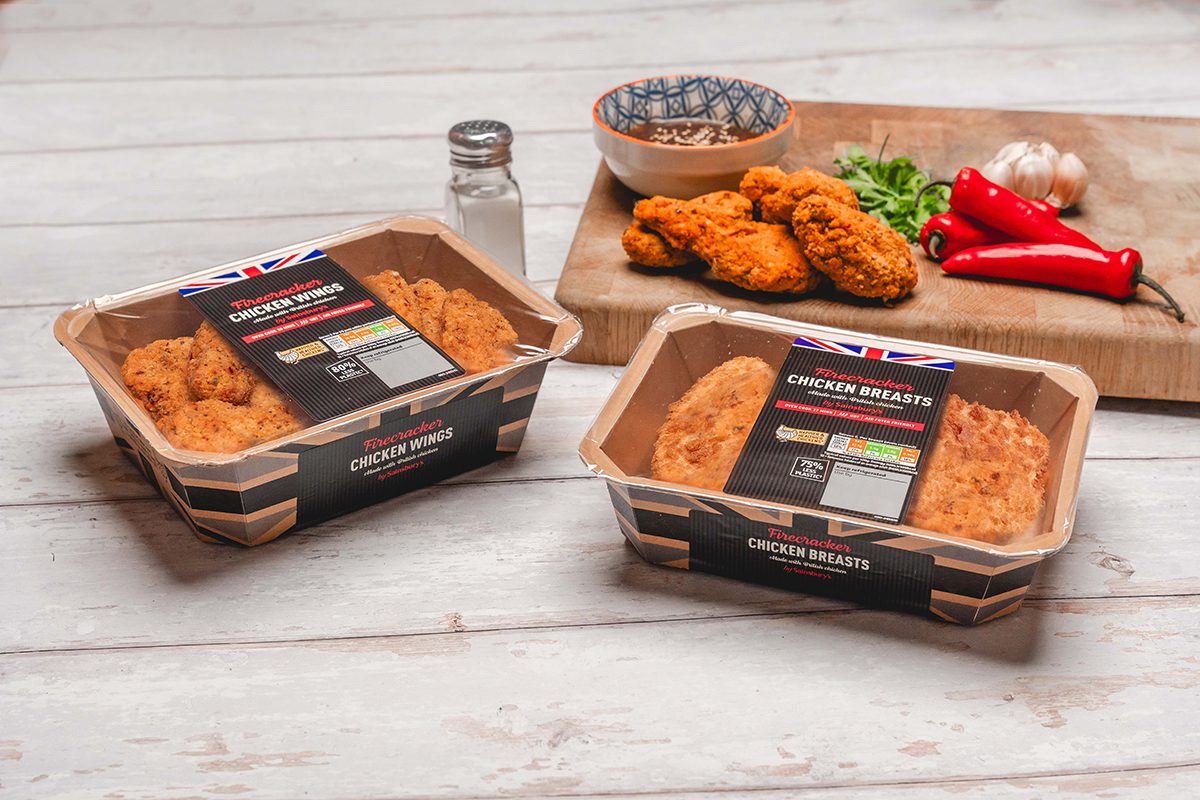
For the retailer, the project promised about 300 metric tons of plastic removed annually. For a packaging buyer, it offers a useful brief: specify the protection the food needs, then redesign the structure around a smaller material burden. Removing a component makes little sense if the product inside stops surviving.
An earlier design reveals the same habit of looking beyond the sheet of board. Predecessor Riverwood introduced Fridge Vendor in 2000 after consumer research found that people rarely refrigerated full 12-packs. Its longer, narrower carton combined storage and dispensing in a shape that fitted the refrigerator. The opportunity came from watching where the package went after purchase. A buyer can borrow that method without buying a mill: observe the awkward lift, the wasted space, or the troublesome opening before commissioning another attractive box.
The wider portfolio includes folding cartons, cups, cooking trays and paperboard canisters. Customers are brands, processors, bottlers, retailers and foodservice businesses. Revenue comes from commercial materials, packaging and equipment. Smurfit WestRock is the group’s largest paperboard-packaging competitor; plastic, corrugated and molded-fiber formats also compete for particular jobs.
The bill behind the fold
There is a heavier object behind these lightweight packages: the mill. In February 2023, Graphic Packaging announced an approximately $1 billion recycled-paperboard investment in Waco, Texas. By February 2026, the projected total was $1.67 billion, including roughly $80 million of capitalized interest. The plant was substantially complete.
Approximate original estimate versus later projected total. The later figure includes capitalized interest.
The estimate had not held. That is the documented setback, rather than evidence that paperboard itself had failed. It also exposes the difficulty of the business: materials innovation requires industrial assets whose costs arrive before the hoped-for returns.
“Consumer affordability created a challenging market for our customers”Robbert Rietbroek / February 2026
Rietbroek became president and chief executive in January 2026. The following month, he announced a comprehensive review of operations and the manufacturing footprint, plus a selective portfolio review. The observable change was a sharper focus on costs, service and cash generation. It would be speculation to turn that into a private conversion story.
By the second quarter, the financial squeeze remained visible. Parent Graphic Packaging Holding Company reported $2.188 billion in sales and $24 million in net income, compared with $104 million in profit a year earlier. It expected structural actions to generate approximately $85 million in 2026 savings against anticipated inflation of $150 million.
What the next buyer should borrow
Waco also provides flexibility. In July 2026, Graphic Packaging launched PaceSetter Ridgeline, an uncoated grade made from 100 percent recycled fiber, with at least 45 percent post-consumer content. Waco can switch between coated and uncoated recycled board. The new applications include tubes, cores and edge protectors, extending the opportunity beyond the supermarket carton.
The transferable idea is to redesign the whole task. Pair the material with its machinery. Work with the food producer and sealing specialist. Measure plastic removed against the previous package. Then check what happens after use. Graphic Packaging reported that 96 percent of packaging sold in 2025 was designed to be recyclable; collection and actual recycling are separate outcomes.
For a buyer, the approach needs sufficient production volume, suitable equipment, acceptable economics and verified product protection. Where those conditions fail, a paperboard substitution can disappoint. The pack’s first responsibility remains wonderfully unglamorous: keep the cans together, keep dinner protected, and work when nobody is paying attention.