The Bucksbaum brothers wanted another grocery store. In 1954, Martin, Matthew and Maurice founded the business that became General Growth Properties in Cedar Rapids, Iowa. Their first shopping center made room for a fourth family grocery location. It was a sensible arrangement: put several reasons to visit in one place, and everyone might sell more. Seven decades later, that proposition still sits underneath GGP’s considerably larger business.
- The product: places where retailers meet shoppers, from permanent stores to temporary carts.
- The rupture: a 2009 bankruptcy driven by debt that could no longer be refinanced.
- The return: Brookfield restored the GGP name to its U.S. retail business in January 2026.
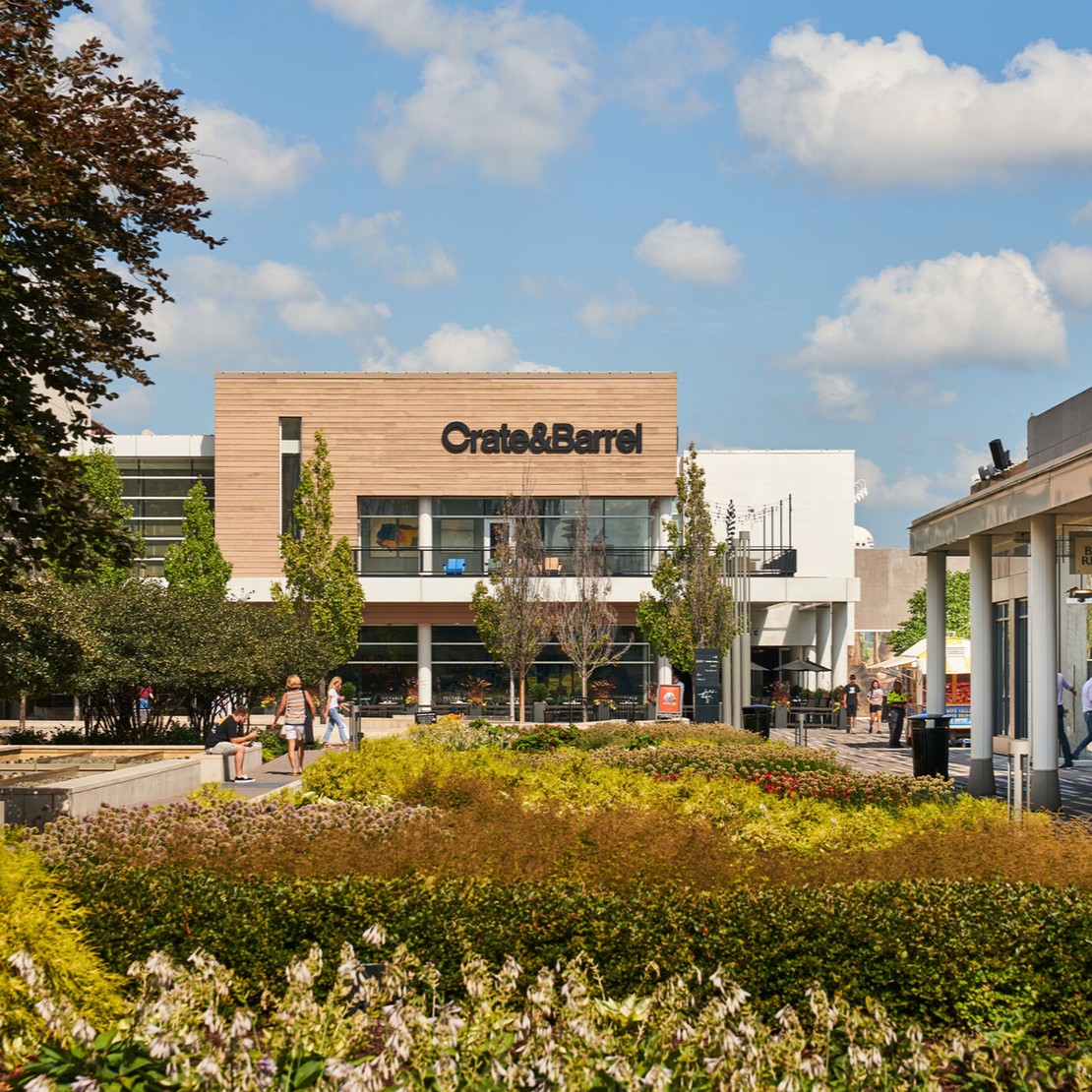
Today, GGP’s website lists more than 95 retail assets across 34 states. Its portfolio includes Oakbrook Center, Ala Moana Center and Fashion Show Las Vegas. Shoppers recognize the destinations; retailers deal with the organization behind them. GGP leases space, operates properties and offers brands access to the people moving through them. The apparently simple act of going shopping requires rather a lot of backstage work.
A good building can have a bad calendar
To understand GGP, start with a distinction easily missed from the parking lot. A property has an operating life: tenants open, customers arrive, rent comes in. It also has a financial life: loans mature, lenders negotiate, capital needs replacing. Those two lives do not always move at the same speed.
GGP’s bankruptcy disclosure makes the sequence unusually clear. In 2006, it successfully refinanced $9.4 billion of maturing debt. In 2007, it refinanced another $2.7 billion and obtained $1.8 billion of additional financing. Replacing old borrowing with new borrowing had become a repeatable procedure. Then the credit markets stopped cooperating.
Debt coming due. In 2008, new financing reached only $3.7bn.
During 2008, $4.2 billion matured, while new financing reached only $3.7 billion. Another approximately $1.18 billion came due before the April 2009 bankruptcy filing without being refinanced. Missed refinancing then accelerated roughly $4.1 billion of debt that otherwise would not yet have matured. The calendar started making the problem bigger.
The failure began in the financing machinery. That matters because it changes the remedy. A weak shopping destination needs a different tenant mix, investment or another use. A refinancing crisis also needs creditors to accept time. GGP ultimately restructured approximately $15 billion of project-level mortgage debt, extending maturities and creating the foundation for fresh equity.
Buying time costs real money
The 2010 reorganization involved $6.55 billion of equity commitments from Brookfield, Fairholme and Pershing Square under the investment agreements. GGP emerged in November, while the Howard Hughes business was separated. These were substantial changes to ownership and structure. A familiar storefront could remain familiar while the financial arrangements behind it were rebuilt.
Brookfield later went further. Its 2018 agreement acquired the roughly 66 percent it did not already own. Consideration combined $9.25 billion in cash with approximately 254 million Brookfield units or related REIT shares, a package described at about $15.3 billion. Calling it simply a $9 billion purchase loses the equity portion and the fact that Brookfield already held a stake.
The smallest shop is a useful experiment
For a retailer, GGP solves a more immediate problem: finding an appropriate place to sell. Its offerings run from inline stores to restaurants, kiosks, retail carts and pop-ups. An established chain may need a permanent location. A new brand may need to discover whether people who click will also stop, touch and buy.
That range supplies a practical lesson worth copying. Match the commitment to the evidence. A temporary shop can test a market before a permanent lease; a cart can put a product in front of shoppers without requiring a whole store. Neither format guarantees demand. Staffing, inventory, occupancy costs and the suitability of the particular audience still decide whether the experiment earns its keep.
Rent is the foundation of the business model, with additional opportunities in advertising, sponsorships and experiences. GGP’s expertise lies in the combination: leasing decisions, daily operations, local relationships and property knowledge. Simon Property Group is an obvious rival for retail tenants. At the individual location, the alternatives also include nearby shopping districts, other centers and staying online.
The distinctions are tangible rather than mysterious. GGP offers a national portfolio, established destinations and multiple formats through which a brand can enter physical retail. Those advantages matter most when the location matches the customer. A national landlord cannot make every center the right address for every product.
GGP also markets EXPlore, a platform for traveling tours, immersive concepts and ticketed events. Its specialty-leasing menu includes storage space as well as selling space, an unglamorous detail that matters when inventory must live somewhere. Educational resources include Retailvisory and the NEXT summit. Together, these offerings reveal how many different jobs sit inside the word landlord. A tenant needs a front door, but may also need a stockroom, a temporary format, operational guidance or a way to introduce an unfamiliar concept. GGP packages those needs around properties it already knows how to run.
Barbie needs a floor plan, too
One revealing example is World of Barbie at Stonebriar Centre in Frisco, Texas. GGP describes a partnership with Mattel that brought visitors into a life-size Dreamhouse and Dream Camper Van. A mall supplied room for an experience people could enter. The attraction supplied another reason to make the trip.
Advertising follows the same logic of proximity. Screens, banners, sponsorships and sampling let businesses reach people already visiting a property. Prices depend on the location, inventory, season and term. GGP’s own FAQ draws a useful boundary: it can report digital ad plays, while exact audience impressions are harder to predict. A played advertisement and an attentive person are different measurements.
“They used to wear green blazers.”
Michelle Snyder, GGP chief marketing officer, on the company’s enduring identity
A name the tenants kept using
When Brookfield returned to the GGP name in January 2026, the announcement described no organizational change. The explanation was recognition: retailers had kept using the old name. Chief marketing officer Michelle Snyder recalled the green blazers. A business identity had persisted through the acquisition, attached to people and working relationships.

There is a modest number behind that continuity: GGP reports nine years of average associate tenure. In a business of lease renewals and local knowledge, experience can outlast the lettering on the door. The lesson travels beyond malls. Test demand at a manageable scale, preserve useful relationships, and examine when obligations come due. GGP’s history shows how much depends on keeping those three clocks in view.