At Algiers Plaza in New Orleans, the answer to a retail problem involved taking part of a building away. N3 Real Estate partially demolished a strip center, created a parcel for a freestanding Chick-fil-A, and renovated the remaining building for T-Mobile and LA Nails. The useful detail is the subtraction. A company trying to fill empty shops had decided to change the shape of the thing it was selling.
The story in three moves
- N3 develops retail locations, owns shopping centers, and invests alongside other developers.
- Its development background lets it tackle opportunities that require changes to the property itself.
- A separate brokerage, N3 Commercial Realty, extends the business into leasing and third-party management.
That project offers a way into understanding N3. The Texas firm works across the chain of decisions that makes a retail property useful: where to build, what to build, who will occupy it, how to finance it, and how to keep it working. For a growing retailer, those decisions determine whether an expansion plan becomes an actual address.
01 / CHANGE THE PARCELA storefront is only the beginning
N3 describes Algiers Plaza as a 223,000-square-foot grocer and power center. Its work there extended beyond the Chick-fil-A parcel. The company lists a redesigned entrance, a bankruptcy amendment negotiated with Winn-Dixie, and a mix of national and local tenants. It also restructured equity and debt. Physical changes and financial changes belonged to the same assignment.
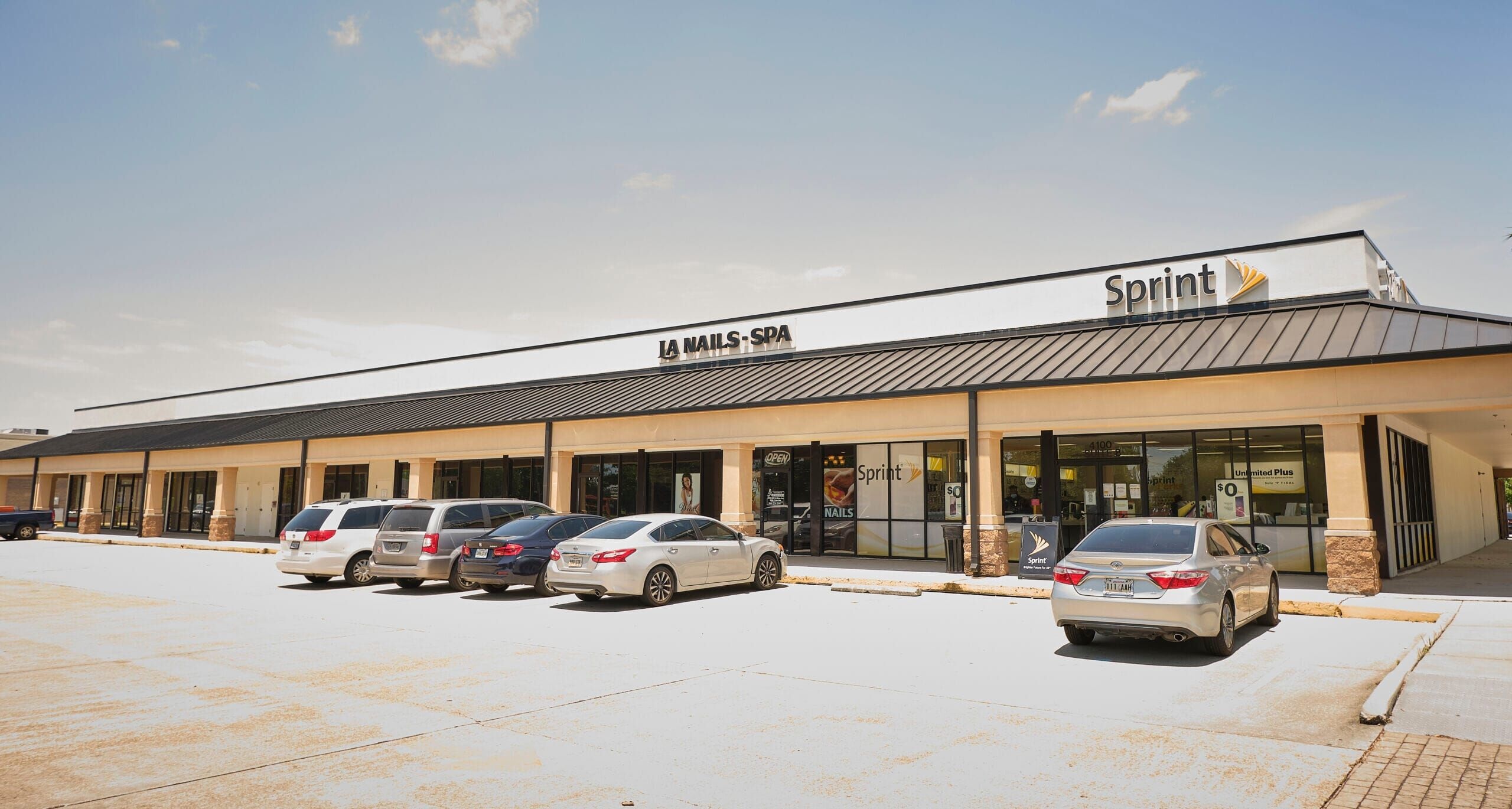
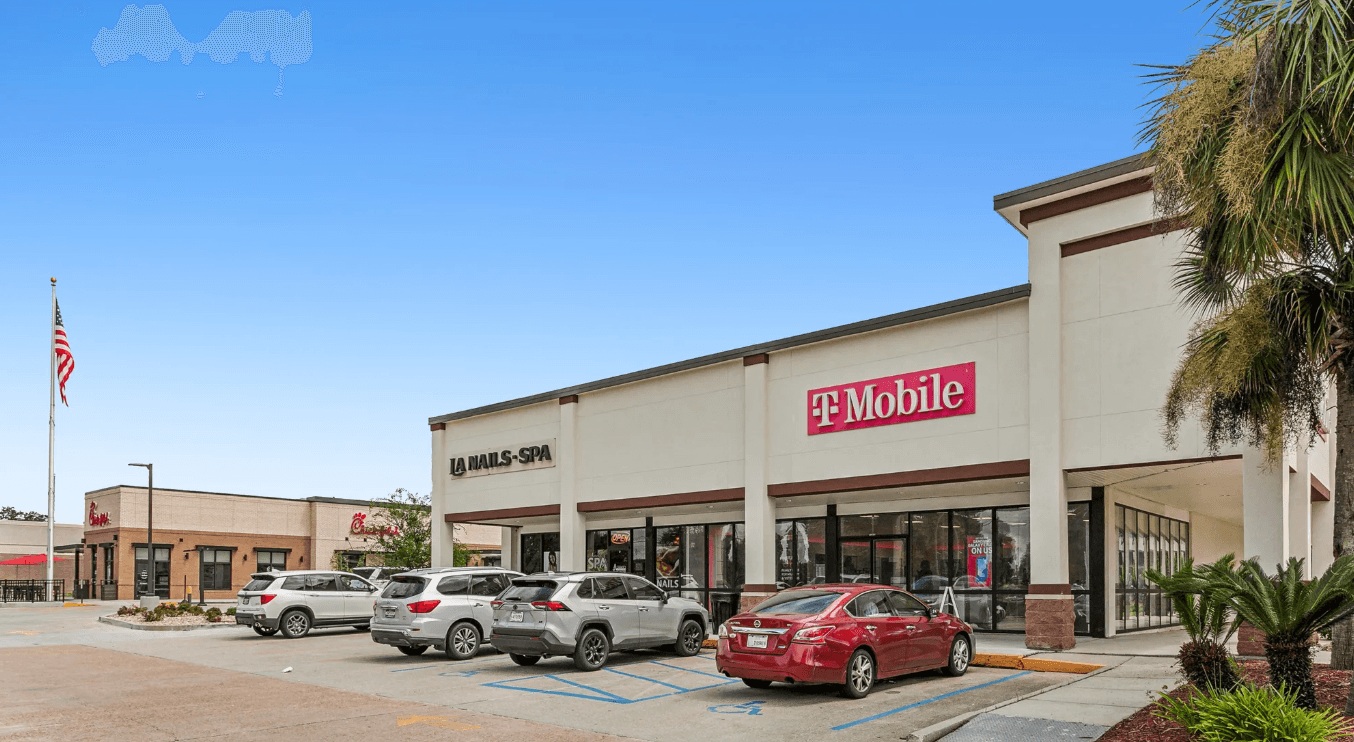
The interpretation is straightforward: an empty unit does not always call for the same intervention. Sometimes it needs a tenant. Sometimes the access, layout, or capital structure needs attention first. N3’s case illustrates how development knowledge can widen the choices available to an owner. A leasing discussion can become a land-planning discussion before anyone starts negotiating rent.
02 / REPEAT THE SMALL THINGSFirst, learn to open the coffee shop
N3’s company history begins in 2004 with build-to-suit development for Starbucks. It reports delivering more than 85 Starbucks locations. There is an appealing modesty to that origin: learn a repeatable building type, find appropriate sites, and deliver repeatedly. A familiar sign on the facade conceals a succession of unfamiliar local problems.
Site selection has to survive planning. Planning has to survive entitlements. Construction has to produce a store a tenant can actually use. N3’s historical retail materials put these responsibilities together, offering brands real estate capital, site work, construction, and delivery under ownership or leasing arrangements. The customer buys help getting through the entire sequence.
The business then broadened. N3 began retaining properties it developed, buying larger retail assets, and supplying capital to other developers. The history describes investment and asset-management professionals joining the development operation. That progression matters: retaining a building creates responsibilities that continue long after the construction crew leaves.
“We never confuse motion with progress.”N3’s stated strategic value
Its current team page puts Brenna Wadleigh in the president and CEO role and dates her arrival as president to 2007. The company’s stated values favor attention to detail and anticipating problems. Those are sensible priorities in a business where a lease, an access point, or a delayed permit can change the economics of a site.
03 / CAPITAL HAS A JOBFollow the money to Fresno
At Marketplace at El Paseo in Fresno, N3’s role included supplying $26 million in equity alongside Rich Development and Gryphon Capital. N3 describes the development as a 650,000-square-foot super-regional center. Here, expertise traveled through a partnership: N3 could participate in a larger project by helping provide the capital behind it.
That distinction helps explain the business model. Property ownership, development, partner investments, and property services each serve a different customer need. A retailer wants an opening. An investor wants a productive asset. Another developer may need equity. N3 occupies the space where those requirements meet, with the precise arrangement depending on the project.
Its acquisition criteria make the investment preference concrete: Sunbelt retail properties up to $35 million, including vacancies, below-market rents, undermanaged assets, and room for redevelopment. These are circumstances in which an owner has work to do. The purchase price starts the assignment; it does not complete it.
04 / STAY AFTER OPENINGThe investment plan has a maintenance bill
In 2019, N3 added N3 Commercial Realty, its wholly owned brokerage. The distinction has practical importance: the parent owns and develops properties, while the licensed subsidiary provides brokerage services. Its third-party management business concentrates on retail, where tenant mix, anchor relationships, common-area expenses, and storefront presentation interact.
The management process provides a useful glimpse of the machinery. Before a handoff, the team gathers lease abstracts, vendor agreements, budgets, and insurance documents. A focused 48-hour onboarding phase aims to establish tenant communication, vendor continuity, accounting, and a property walk. The checklist makes an ambitious investment plan rather earthbound.
How the pieces connect / editorial schematic
Fees are tailored to the property and scope of work. For an owner comparing providers, the useful comparison is therefore the actual assignment: daily management, leasing, capital improvements, or some combination. N3’s pitch rests on bringing ownership and development experience into those services. A client should evaluate how that experience applies to the particular center.
05 / BORROW THE SEQUENCEThe part worth stealing
The transferable lesson is a sequence. Diagnose the property before choosing the intervention. Check whether the obstacle sits in the tenant list, the building, the land, or the financing. Then connect the proposed change to ongoing operations. This is an editorial reading of N3’s work, rather than a promise that every struggling center can be rescued.
The conditions matter. Redevelopment needs a feasible site, tenant demand, approvals, and economics that support the work. A new parcel cannot manufacture customers. A new tenant cannot repair every financing problem. Algiers Plaza is interesting because the response crossed several of these boundaries. N3’s business is built around having more than one way to answer the same empty storefront.