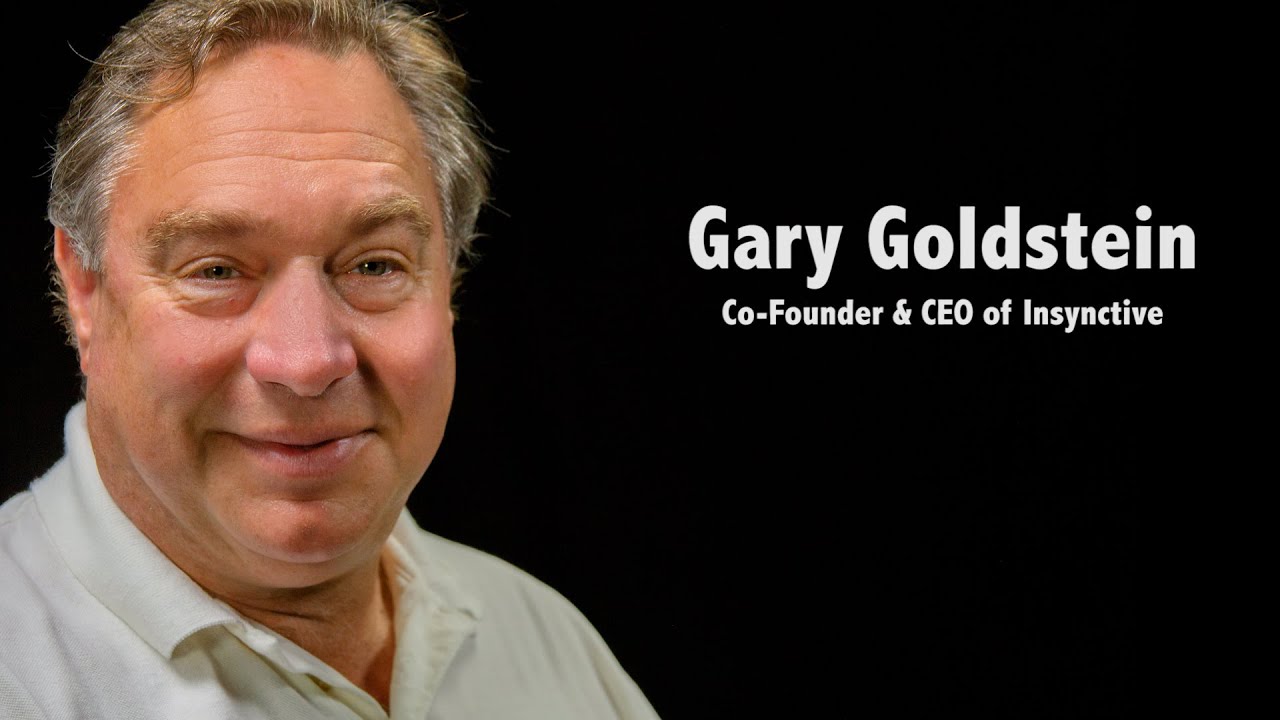
The future of work can apparently begin with a license that needs tracking. Gary M. Goldstein, CEO and co-founder of Insynctive, has offered precisely that example to organizations wondering how to modernize their software. Pick one workflow, he advises. Make it work better. The invitation is almost comically manageable for a subject usually accompanied by a diagram resembling the electrical plan for an airport.
Goldstein has had time to develop a taste for manageable beginnings. Before Insynctive, there was BISNet. Before BISNet, there was his own insurance business. Between companies came executive jobs, business coaching and advisory work. His career has involved enough changes of direction to make the straight arrow on a business presentation look rather optimistic.
Now based in Walnut Creek, California, he is back in the territory of employee information, documents and the systems expected to keep them useful. The continuity matters. Selling a business can close a chapter without settling the problem that made the chapter worth writing. For Goldstein, the administrative life of a company has remained a subject with plenty of unfinished business.
A business before a job description
Goldstein was born in St. Louis and moved around the country while his father served in the military. His education brought him to Campolindo High School and the University of California, Berkeley, where he earned a B.A. The Bay Area became the setting for his business career.
Entrepreneurship was already a family habit. His grandfather, mother and brother built businesses, and he worked with family before starting out himself. He has described recognizing that he was an entrepreneur through the experience of doing the work. The title arrived after the activity. There is something reassuring about a founder whose origin story leaves room for discovering his occupation along the way.
His career includes founding G.M.G. Insurance Services in 1986, then BISNet in 1997. BISNet brought employee-benefits communication, enrollment, administration and transactions online. Goldstein served as founder and CEO before becoming its president under BenefitStreet. The sequence gives his later software work a practical foundation: he came to the technology through the business it needed to serve.
The two occupations sit closer together than their job titles suggest. An insurance business requires information to arrive, be understood and reach the right destination. An administration platform has to make those movements repeatable. Looking at Goldstein's path, software appears as an extension of the work he already knew. The industry experience came first; the product followed.
The years between the companies
Goldstein dates transactions involving the sale of BISNet to 2005 and 2008. His next chapter included JuiceHounds Holdings, where he became a founder and business coach. The company name provides a welcome interruption in a résumé otherwise well supplied with capital letters and administrative software.
He also served as CEO of AcroTech Systems and chief operating officer of Maslow Six Entertainment. His advisory and investment connections include VizKinect and ArmaTerra, while XplorIt brought another business-coaching role. Those names cover different kinds of organizations, and they complicate the idea of a founder following a single, increasingly polished pitch.
The practical thread is operating experience. A chief executive has to choose; a coach has to help someone else choose. An adviser may see a problem without having the authority to solve it. Moving among those positions gives a career different vantage points on responsibility. Goldstein eventually brought that collection of roles back into a field he already understood.
By 2016, Insynctive, Inc. was taking shape as a business serving employers and the service providers around them. Goldstein's public accounts of the early company describe recognizing potential in an existing operation and changing its business model. His return involved both familiar subject matter and another round of decisions about how a company should grow.
Keep the systems. Improve the work.
Insynctive's proposition begins with an inconvenient reality: organizations already have software. They have processes, people who know those processes and systems with histories of their own. The company offers configurable HR and document automation that works alongside existing infrastructure. That approach asks a founder to take a customer's accumulated decisions seriously.
There is a certain courtesy in it. A new product can arrive with an implicit demand that everyone abandon what they know. Insynctive's approach makes room for what is already there. Its work includes onboarding, document management and connecting systems. The design problem is how to improve the movement of information while allowing an organization to keep operating.
Goldstein publicly promoted Insynctive's integration with ADP Workforce Now in July 2017. That connection gives the broader proposition a concrete example. A company using an established payroll system can add capabilities around it. For an entrepreneur with experience on the service side of the industry, those relationships are part of the product's usefulness.
Control is a recurring word in Goldstein's own description of the work. He argues that HR teams should be able to configure processes without needing a large technical team or consultants for every change. That puts the person administering the system near the center of the design. The value depends partly on whether that person can exercise judgment after the software arrives.
His advice to start with one workflow follows the same logic. In February 2026, he used tracking licenses across states as an example and described helping a client address that problem. The example is modest enough to be intelligible. Someone has a recurring task. The task has rules. The team wants a more dependable way to carry it out.
For a reader trying to understand Goldstein, that small example does useful work. It suggests a founder interested in where a system meets somebody's Tuesday afternoon. A license tracker is unlikely to earn a standing ovation at a conference. The person responsible for keeping it current may have a warmer view of the achievement.
Reliability has a human address
Goldstein's writing about customer relationships takes the discussion beyond configuration. In one account of a conversation about a longstanding client, he emphasized the customer's belief that the company would follow through when something went wrong. Reliability, in that telling, includes listening and helping people understand what happens next.
In another reflection, he described the trouble that develops when brokers behave as outsiders to the HR team. Details get missed, communication weakens and confidence follows. His preferred relationship carries a sense of shared responsibility. The software company and the service provider have to remain present after the agreement has been signed.
That emphasis gives his return to the industry another dimension. He is building around relationships as well as records. Technology can arrange a process, but the people involved still need to believe someone will answer for it. Goldstein's recurring interest in trust makes sense beside his insistence on giving administrators practical control.
“It's not a straight line to success.”
Gary Goldstein
His approach to colleagues has attracted similar descriptions. Former BISNet colleagues Jay Stein and Jody Simkins have written about his enthusiasm, support and encouragement. Stein recalled having Goldstein's backing on process improvements and day-to-day management. Simkins described a leader who remained available with encouragement over nearly ten years of working together.
These are personal judgments from people who worked with him, and their specificity is useful. They describe the ordinary behavior through which a leader becomes known: supporting a change, making time, taking an employee's work seriously. Goldstein's own writing about teams stresses the contribution of domain experts, developers and customer support. The organization needs all three kinds of knowledge.
A title he wears lightly
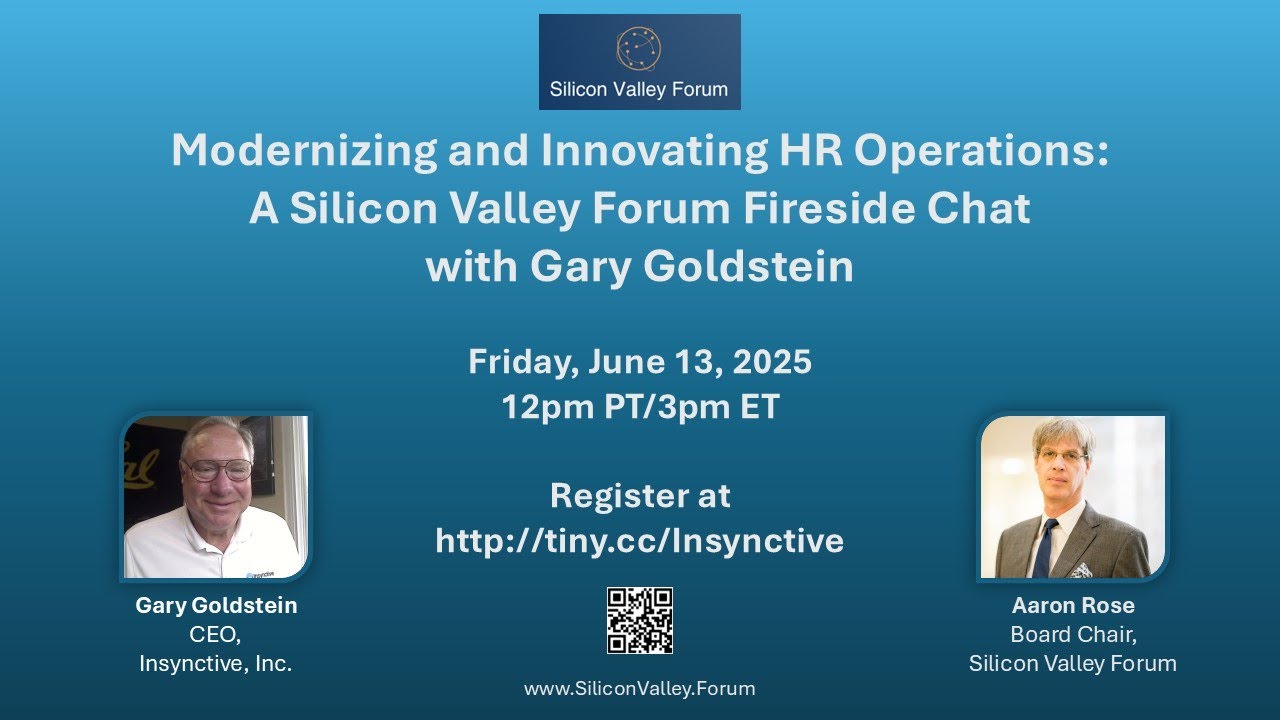
Goldstein has joked about someone calling him “Mr. Future of Work,” wondering whether the explanation lay in the technology, the platform or his gray hair. He treats the nickname with a welcome lack of ceremony. His own account of meaningful work emphasizes trust, adaptability and purpose, with room for people's creativity and humor.
His personal introduction is similarly unceremonious. On his own profile he leads with being a father and small-business owner, then lists family, friends, golf, entrepreneurship, innovation and volunteering. The order brings the software executive down to a recognizable human scale. There is a life around the company, with interests that require neither a product demonstration nor a login.
Berkeley remains part of that life. Since January 2013, he has served as president of the house corporation of Phi Kappa Psi's Cal Gamma chapter, a volunteer commitment that extends his connection to the university. In a 2023 podcast conversation with Chris Sheng, he also discussed making room for family during the long hours of company-building, satisfying customers and wanting Insynctive to give back to the community.
Those priorities give his practical advice some context. A person can care about a large ambition and still begin with a small, concrete obligation. Goldstein's career has moved through insurance, software, operating roles and coaching. At Insynctive, it has returned to work he knows, carried out with colleagues and customers who have their own requirements. The next step can be as ordinary as choosing one process and making it easier to finish.