Consider the restaurant menu. It already exists. Someone has chosen the dishes, set the prices and entered them into the register. Yet getting that same information onto a useful website can become another job entirely. There is a layout to choose, a domain to connect, a mobile screen to check. Then the lunch special changes. The website, which was supposed to help the business, has acquired its own appetite.
- Fisherman generates a website preview before the owner commits.
- The subscription bundles software with maintenance and human help.
- Restaurant integrations can keep menus and business details in sync.
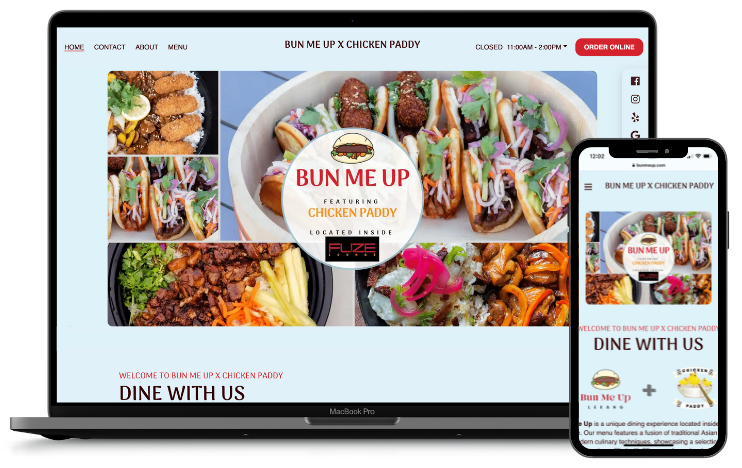
Fisherman, a Boston software company, has built its offer around that appetite. Independent owners can hand over their business details, inspect a branded website preview and decide whether to publish it. The interesting part is the assumption underneath: a small business may need a better website without needing more opportunities to become a web designer.
01 / THE MISSING INGREDIENTA shortage of hours
Ameet Kallarackal and Nick Loeper came from small-business families. Kallarackal worked in a family-owned restaurant and made websites for local businesses. Their company’s origin story begins with a familiar mismatch: agencies demanded money, while do-it-yourself tools demanded time. Forbes described their objection to Wix and similar tools as complexity and effort for mom-and-pop operators.
They founded Fisherman in 2018. Its timeline records conversations with independent owners, early code and several tested versions. In 2019 came FAST, short for Fisherman Automated Site Technology. The company says it could build a custom website from a business name in under five minutes. That was a different starting point from a template library. The customer was reacting to a result.
“Their core competency isn’t making a website.”
Ameet Kallarackal, speaking to Crunchbase News, 2021
There is a useful distinction here. A blank canvas offers freedom, but it also asks for decisions. Fisherman tries to do enough of the work first that the owner can say, “Change this,” rather than wonder where to begin. For anyone selling a complicated service, that is a method worth borrowing: make the proposed result visible before asking the customer to imagine its value.
02 / THE SECOND SHIFTThe menu still changes on Tuesday
A generated draft is only the opening move. A restaurant needs a working address, readable menus, ordering links and accurate hours. Fisherman offers mobile layouts, hosting, domain handling, menu conversion, search optimization and an editing dashboard. Owners can make changes themselves or ask for help, with the level of support depending on the plan.
The more revealing detail appears in Toast’s integration documentation. Fisherman can use information from Toast alongside the business’s Google and Facebook information to create the site. Menu data, contact details and hours can then sync from Toast to the website. The practical gain is fewer duplicate updates. Change information in the operating system and the public version can follow.
Toast POS
follows
Menu · Contact details · Opening hours
Requires a configured Toast integration.
This also explains Fisherman’s place in restaurant technology. It connects a branded website to tools an owner may already use. ChowNow has a co-branded Fisherman offer linking websites to its ordering pages. Shift4 lists Fisherman among its integrations. Those relationships make the website a useful front door to a collection of services, rather than another isolated screen.
The clock deserves attention, too. The historic five-minute claim concerns generation. Fisherman now says a simple site can go live in as little as a week. Toast’s guide allows three to four weeks for onboarding, depending on customization. Owners need access to Toast Partner Integrations and must complete configuration. Speed at making a draft does not erase the work of connecting a business.
03 / THE RECURRING BILLWhat does less homework cost?
Fisherman’s prominently advertised Website + SEO offer lists $249 a month. Annual billing is $2,148, equivalent to $179 a month. That makes the advertised annual saving $840 against twelve monthly payments. The annual figure is a commitment, not a monthly checkout price. These were the published figures when checked in October 2026.
monthly billing
annual billing
The pricing page also contains other packages and paid extras, including additional locations and an accessibility service. An owner should match the final package to the work required. The sensible comparison includes the recurring tasks being handed over: keeping information current, handling the domain, maintaining the site and getting assistance when something needs changing.
That calculation will vary. An owner who enjoys building websites may prefer a DIY tool. A business requiring unusual software or extensive custom design should test those requirements against the preview and proposed scope. Fisherman’s offer is most legible where the site has recognizable jobs and the owner has too little time to supervise them.
There is a simple way to judge the preview: behave like a hungry customer. Open it on a phone. Find the menu, check the hours and follow the ordering link. Then behave like the owner: ask who updates each piece of information and where the original data lives. A handsome page earns its place when those ordinary actions are easy. This is also where the subscription decision becomes concrete. The question is whether the service removes work the restaurant would otherwise keep postponing, and whether the connections it needs are actually included in the package.
04 / THE HUMAN PARTAutomation still has a crew
In 2020, according to Fisherman’s timeline, COVID prompted the company to offer its product free. Later came broader features and partnerships. Crunchbase News reported a financing of just under $1 million in April 2021. The sequence shows the company working on both the machinery and the service around it.
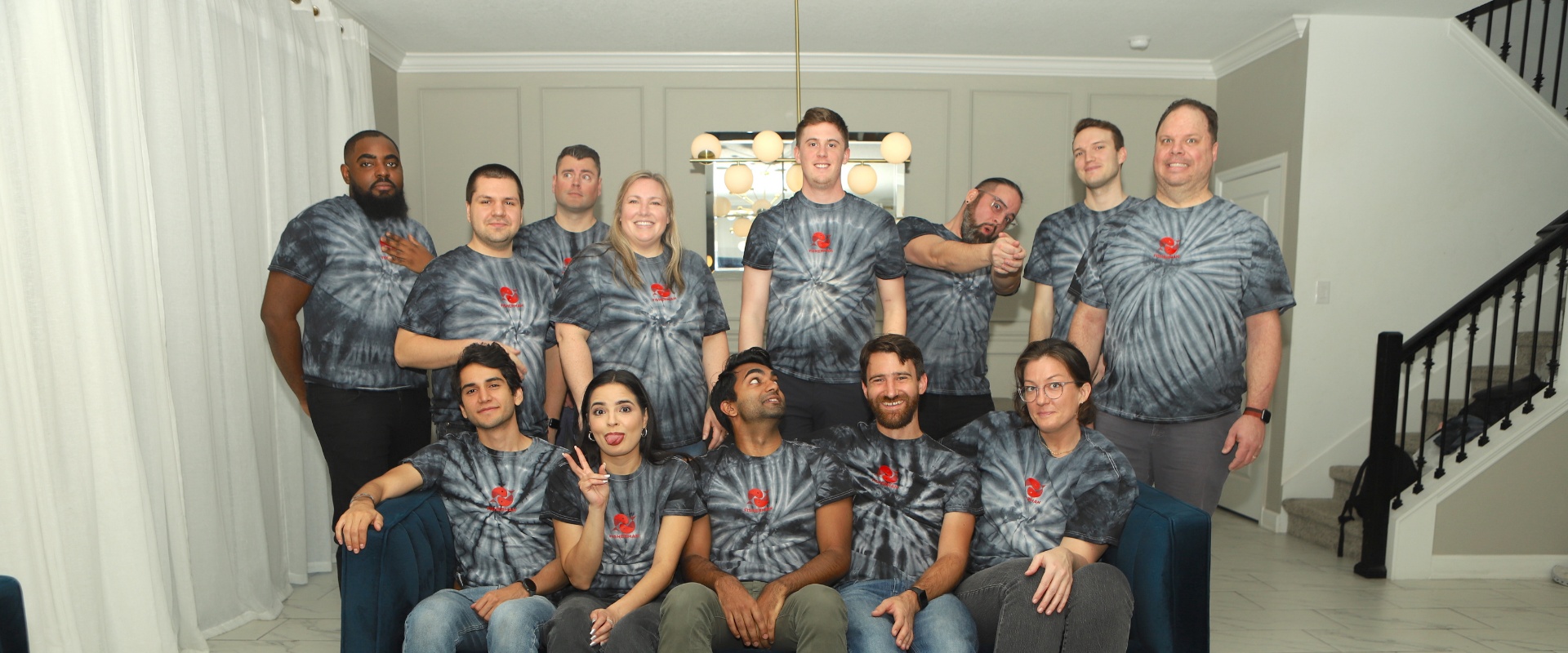
Its employee page even lists favorite fish. The joke fits a company whose technology is meant to feel approachable. The useful test, though, happens after launch: when the hours change, when a menu needs correcting, when an owner needs help. Fisherman is selling a website that somebody keeps tending. For a restaurant owner, that continuing attention may be the part worth buying.