Somewhere behind the yogurt, a pipe trembles. A weld gives way. A gas nobody can see slips out, and three ledgers begin to disagree. The maintenance ledger says a technician added refrigerant. The purchasing ledger says another cylinder must be ordered. The climate ledger, if one exists at all, records an estimate months later. The freezer keeps humming. The leak becomes business as usual.
The story in five cold facts
- EOS Climate began with a plan to destroy old ozone-depleting gases and sell the verified emissions reductions.
- Its customers included refrigerant-heavy businesses and the contractors, distributors, reclaimers, and manufacturers around them.
- Multinational customers pushed the company from a narrow destruction model toward whole-lifecycle management.
- The Refrigerant Asset System used mobile records and shared permissions to follow every pound through each handoff.
- The model needed disciplined field data, auditable custody, and enough savings or carbon value to pay for coordination.
EOS Climate was built around the idea that this muddle was not inevitable. Founded in 2008 by Joe Madden, Todd English, and Jeff Cohen, the San Francisco company looked at refrigerant and saw a peculiar commodity: expensive to buy, costly to lose, dangerous to release, and strangely anonymous once it began moving between owners and contractors.
Madden and English had met in the sustainability MBA program at Presidio Graduate School. Cohen was their adviser, an environmental-policy veteran who had worked on ozone protection at the US Environmental Protection Agency. Their thesis project proposed recovering old chlorofluorocarbons, destroying them under rigorous rules, verifying the avoided emissions, and selling the resulting carbon credits. A seminar paper became a company. It is the sort of origin story that sounds too tidy until one notices how gloriously untidy the actual industry was.
The first business was a funeral
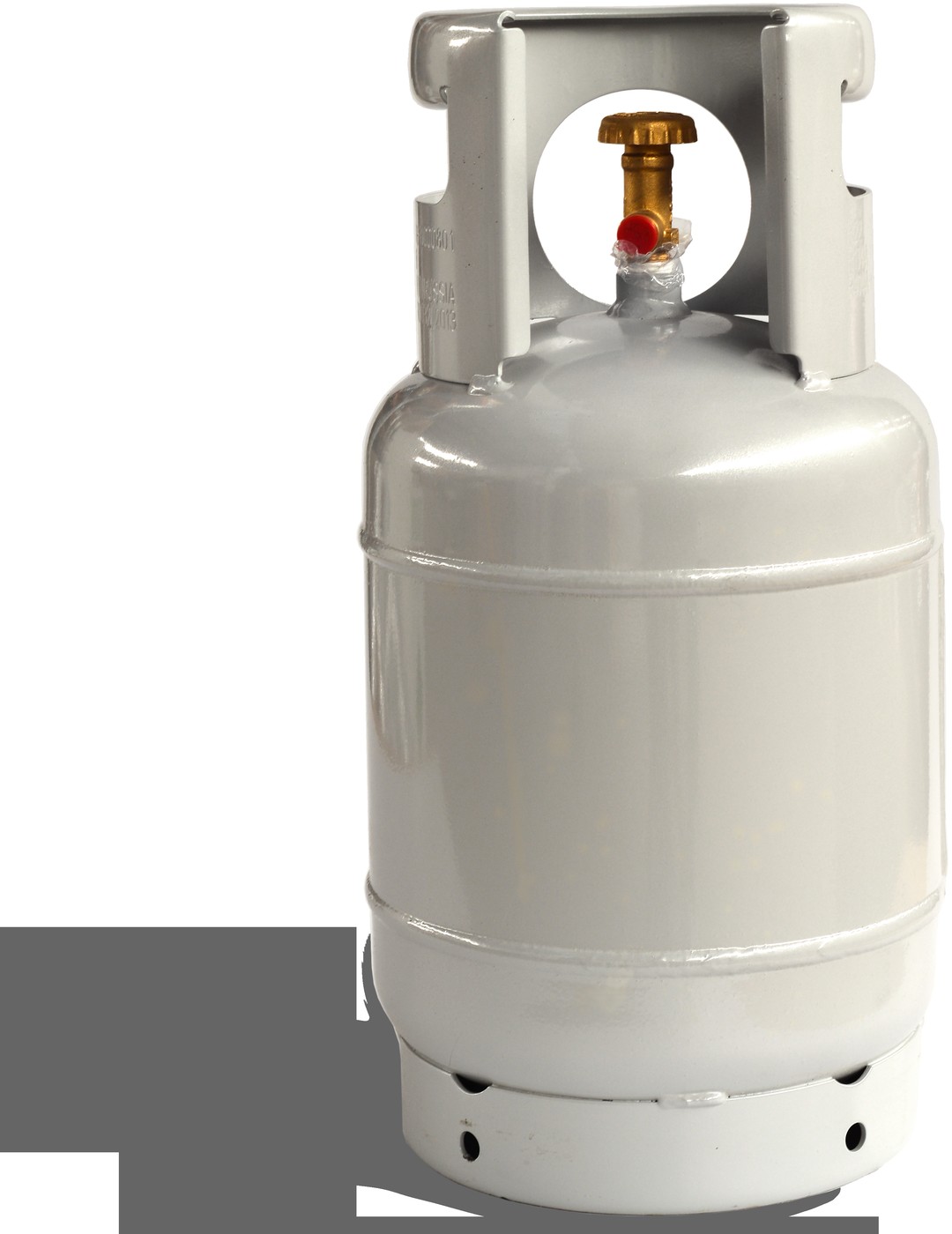
EOS began at the end of a molecule's useful life. Legacy CFCs could no longer be produced in the United States, but banks of the gases remained in old cooling equipment and stockpiles. Destruction went beyond ordinary recycling: the material was sent through an approved process, documented, independently verified, and converted into emissions reductions that could be sold in voluntary or regulated carbon markets.
That created a business model with several moving pieces. Refrigerant owners supplied eligible gas. Recovery and reclamation specialists handled it. Destruction facilities eliminated it. Registries supplied the accounting rules. EOS arranged the project, maintained the evidence, and helped monetize the credits. A 2010 alliance with Hudson Technologies explicitly called for the partners to share revenue from verified reductions.
The costs were operational before they were digital: recovering gas, transporting it, testing it, destroying it, and paying for verification. EOS never published a simple customer price list. The economic promise was instead a stack of avoided purchases, fewer losses, easier compliance, recovered material value, and, when a project qualified, carbon-credit revenue. For a large refrigerant owner, the company said destruction could produce hundreds of thousands of dollars. For a small one, the arithmetic could be far less charming.
Then the clever idea proved too small
The first thing to fail was not the destruction process. It was the size of the frame. Madden later said the model applied only to a small percentage of the total refrigerant base. Multinational companies began asking whether EOS could address the rest of their problem: the gas still circulating through stores, campuses, hotels, warehouses, and air-conditioning systems.
That question changed the product. In 2013 EOS launched the Refrigerant Asset System, or RAS. Instead of waiting for old gas at the finish line, the system followed it from purchase onward. A technician could record a transfer on a mobile device. Owners, distributors, contractors, recyclers, sustainability teams, and finance departments could see the same trail with different permissions. When quantities did not reconcile, the discrepancy appeared while someone could still investigate it.
“Every time it changes hands, you lose track of the refrigerants.”Joe Madden, co-founder
This is where EOS differed from a conventional carbon developer and from a compliance database. The company joined three businesses that usually sat apart: environmental-market design, refrigerant field operations, and enterprise software. The carbon expertise gave it a way to value prevented emissions. The operational network gave it access to cylinders and technicians. The software gave everyone an agreed memory.
Whole Foods Market was an early RAS customer. Mike Ellinger, then responsible for refrigeration maintenance and environmental compliance across 365 stores, described a leak in blunt operational terms: it costs money and time, adds emissions, and can spoil inventory. The genius of that list is its refusal to make climate a separate department. A failed weld is simultaneously a maintenance event, a purchasing event, a food-loss risk, and an environmental event.
Proof arrived in an unfashionable form
Carrier's end-of-life program supplied the cleanest public result. Two years after partnering with EOS, Carrier reported that used CFC destruction had prevented 111,000 metric tons of greenhouse-gas emissions. At the time, the company compared that with taking 23,000 passenger cars off the road for a year. The result was verified under rules associated with the Climate Action Reserve and the California Air Resources Board.
It was not a viral consumer app. It did not ask shoppers to admire a dashboard while choosing milk. It was a chain of custody, a destruction certificate, and an accounting method. Climate infrastructure often looks unimpressive because the useful parts are forms, permissions, and reconciliations. A molecule does not care about a mission statement. An auditor cares very much about the manifest.
Less replacement gas, reusable inventory, lower leakage, auditable compliance, avoided disposal headaches, and carbon revenue where protocols allowed it.
Recovery logistics, verification expense, fragmented contractors, inconsistent field records, and dependence on policy or market prices strong enough to reward the work.
The useful part to steal
EOS Climate's playbook travels beyond refrigerant. Many industrial systems contain valuable materials that become “waste” only because nobody preserves their identity after a handoff. Batteries, solvents, construction components, and specialty metals all suffer versions of the same amnesia. The company showed how to begin.
Pick a measurable unit. EOS chose the pound of refrigerant, not an airy promise about sustainability. A physical unit makes reconciliation possible.
Record the handoff where it happens. The technician's phone mattered more than a handsome annual report. Late data is usually invented data.
Give every participant a reason. Owners saved on purchases, contractors produced cleaner records, sustainability teams counted reductions, and finance could recognize value.
Let verification shape the product. EOS helped build methodologies as well as software. The evidence standard was part of the service, not paperwork added at the end.
The conditions matter. This approach is ill-suited to tiny, scattered volumes when recovery costs exceed the material and climate value. It weakens when technicians will not enter data, when custody cannot be audited, or when owners cannot reuse, sell, or receive credit for recovered material. Carbon finance can improve the arithmetic, but volatile credit prices make a poor substitute for operational savings.
EOS Climate's later public footprint is faint. Its Refrigerant Asset System trademark was cancelled in 2021 after a continued-use filing was not made, and its old website no longer provides a dependable current-company record. Yet the technical work has an afterlife. In 2025, American Carbon Registry published a new version of an advanced refrigeration methodology originally developed by Dentons and EOS Climate with industry collaborators.
That may be the most fitting legacy. A company devoted to invisible gases left behind an invisible influence: rules, habits, and the notion that custody data can turn waste into an asset. Behind the yogurt, the pipe still trembles. The difference is whether anybody is keeping count.