She scored a near-perfect GPA at MIT, then decided the most important dataset wasn't a supply chain. It was a 17-year-old trying to figure out who to become.
Most people who collect a McKinsey badge and an MIT degree keep climbing the same ladder. Elisa Piscitelli walked off it. Today she runs Futurely, a digital orientation platform that does something deceptively simple and genuinely hard: it sits beside a teenager and helps them choose what to study, and eventually, who to be.
Futurely is built around a problem Elisa names with unusual precision. In Italy, she says, kids of 17 and 18 carry "the anxiety of failure, the worry of not choosing the right path." The school system hands them a fork in the road and very little map. Futurely is the map - structured self-discovery delivered through a digital platform, dressed in gamification and social-emotional learning rather than a guidance counselor's tired pamphlet.
The company sells two ways. To schools and students directly, and to companies as a welfare benefit for employees' children - a clever wedge that turns a parent's worry about their kid's future into a perk an HR department can offer. Toyota was among the early corporate targets. It is, deliberately, structured as a social benefit company, the mission stitched into its legal charter rather than its marketing deck.
The numbers grew fast. An early milestone had Futurely reaching roughly 10,000 students - about one percent of the entire Italian student population. By the time the press caught up, that figure had climbed past 14,000 a year, spread across 50 schools and 30 companies. For a category that most people assume can't be a business, it turns out a lot of families will pay to lower the temperature on the biggest decision of a teenager's life.
What makes Elisa a credible builder here isn't the empathy alone. It's that she spent years turning messy human behavior into models that hold up. She reads people a little like datasets - patterns, signals, the difference between what someone says they want and what the evidence suggests they'd thrive at. Futurely is that instinct, productized.
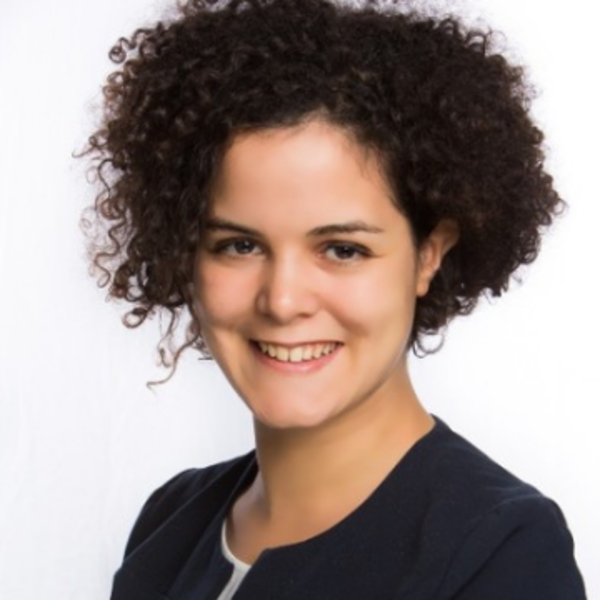
The red thread of my story is always letting yourself be provoked by what happens and following your passions.Elisa Piscitelli — to Millionaire
Graduates with honors in Management Engineering from Politecnico di Milano, adding a Master in Innovation Management from Alta Scuola Politecnica.
Joins McKinsey & Company as a data scientist on the Advanced Analytics team. Three years learning how to turn noise into decisions.
Earns an MIT Master of Business Analytics on an Ermenegildo Zegna scholarship - GPA 4.9 out of 5.0 - then stays on as a research assistant in machine learning.
Co-founds Futurely with Mariapaola Testa. The idea: bring rigorous, pragmatic career guidance to Italian students.
Works as a Digital Strategy Manager at End-to-End Analytics (part of Accenture) while the company takes shape.
Named to Forbes Italia's 30 Under 30 in the education category. Futurely closes a $1.5M round.
Her LinkedIn handle reads "mck-mit-elisa-piscitelli." McKinsey, then MIT, baked right into the URL. A career worn on the sleeve, with a wink.
Futurely borrows the pragmatic, decision-first approach to choosing a path that elite schools teach, and translates it for a 17-year-old in Bologna or Bari.
She was doing digital strategy in California - the kind of role people move continents to land - and chose to point her engineering at anxious teenagers instead.
In Italy, 17 and 18 year-olds live with the anxiety of failure - the fear of not choosing the right path.Elisa Piscitelli — the problem Futurely exists to solve
Talk to anyone who has watched Elisa work and a pattern emerges. She is pragmatic to the point of bluntness, restless in the way founders tend to be, and unusually willing to let an unexpected encounter redirect her. "I grew up fascinated by encounters along the way that ignited passions and interests," she has said - which is, not coincidentally, the exact experience Futurely tries to manufacture at scale.
Make high-quality orientation a right, not a privilege - so every young person gets to choose a future on purpose, not by accident.
Profile compiled from public sources including myfuturely.com, StartupItalia, Linkiesta, Millionaire, Italian Angels for Growth, Fortune Italia and Alta Scuola Politecnica. Facts presented as reported; where sources differ, both are noted.