Company Hardware / Drones
How a Dorm-Room Drone Project Became the Company That Owns the Sky
Frank Wang built his first flight controller in a Hong Kong dorm. Two decades later DJI sells most of the drones on Earth - and Washington is trying to decide whether to let it keep selling them here.
In 2006, a Hong Kong graduate student named Frank Wang could not stop thinking about a small, annoying problem: model helicopters would not hold still. Left alone, they drifted, wobbled and crashed. Wang built a controller to make them hover steady, ran the young company out of his dorm room, and moved it to a warehouse in Shenzhen smaller than a two-car garage. He was not trying to sell flying cameras. He was trying to fix the shaking.
Twenty years later, that fix has a name that appears on the vast majority of drones sold anywhere on the planet. DJI - short for Da-Jiang Innovations - makes an estimated 70% of the world's civilian drones and more than 90% of the consumer camera drones people actually buy. If you have watched a sweeping aerial shot in a recent film, seen a friend's wedding filmed from above, or scrolled past a real-estate listing with a bird's-eye view, the odds are overwhelming that a DJI machine was in the air.
The strange part is how few people can name a single competitor. In an industry that everyone agrees is the future, one company has quietly made itself the default.
01The dorm-room fix
DJI's origin is unusually literal. Wang won third place in a collegiate robotics contest, and used the momentum - and roughly 2 million Hong Kong dollars scraped together with a few university friends - to start a company selling flight controllers. These were the unglamorous brains inside remote-control aircraft: the circuit boards and software that keep a machine level. The first customers were hobbyists building their own rigs, not consumers.
That early obsession with stabilization turned out to be the whole company in miniature. DJI did not win by inventing the drone. It won by making flight boring - predictable, self-correcting, safe enough that a beginner could unbox one and not immediately destroy it. Every product since has been a variation on the same theme: take something that used to require expertise, and make it hold still.
02The Phantom moment
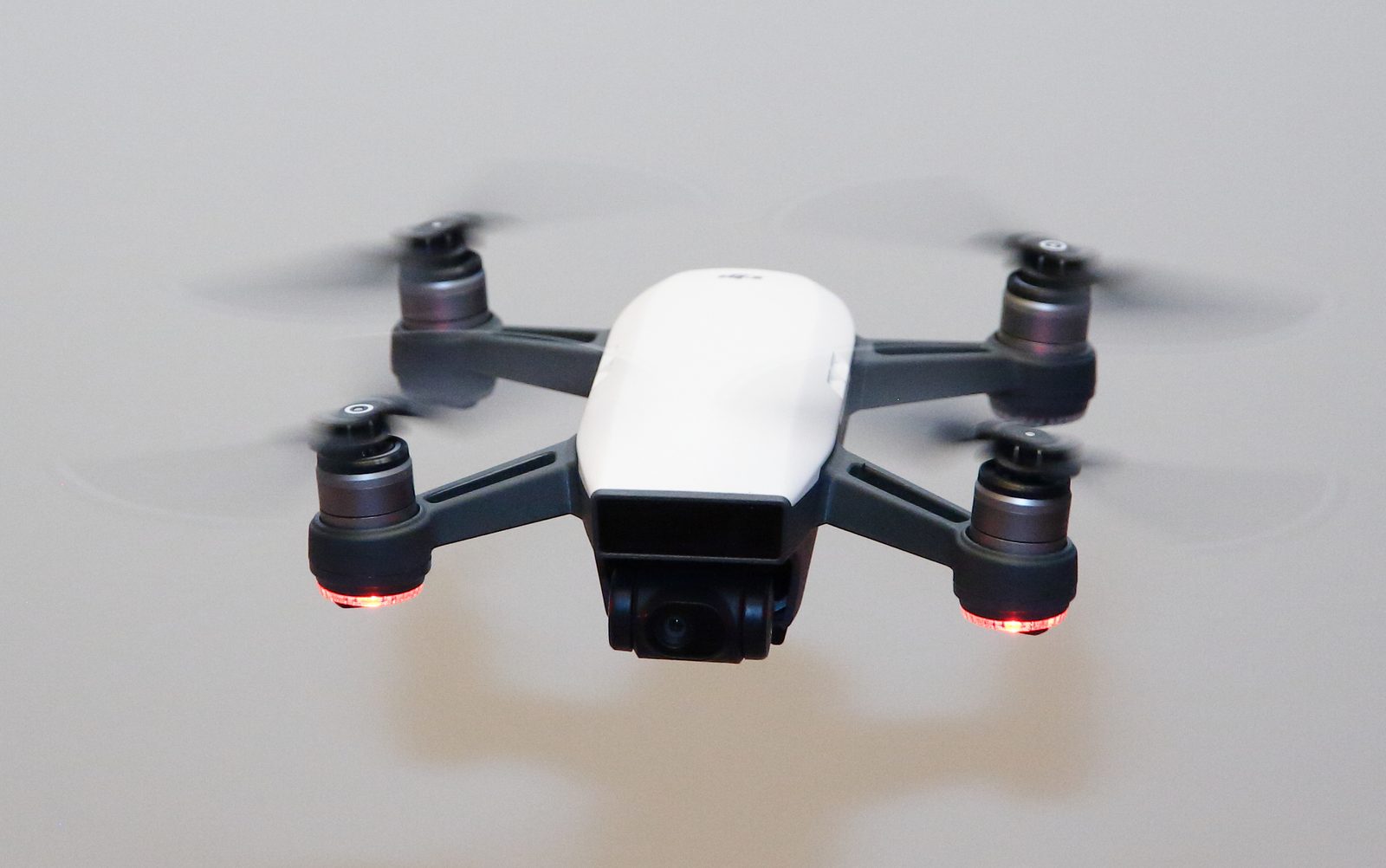
The turning point arrived in 2013 with the Phantom. Before it, owning a camera drone meant sourcing parts, soldering, calibrating and praying. The Phantom shipped in a box, ready to fly, with a mount for a GoPro and, soon after, an integrated camera. It converted drones from a DIY headache into a consumer-electronics purchase - the same leap that turned early personal computers from kits into products.
The category more or less did not exist before the Phantom, and DJI has led it ever since. That first-mover grip, compounded year after year, is why the market looks the way it does today.
03Who actually flies these
It is tempting to file DJI under "consumer gadget," but that undersells who reaches for its drones. The customer list runs from teenagers filming skate videos to some of the least glamorous, most consequential work being done outdoors.
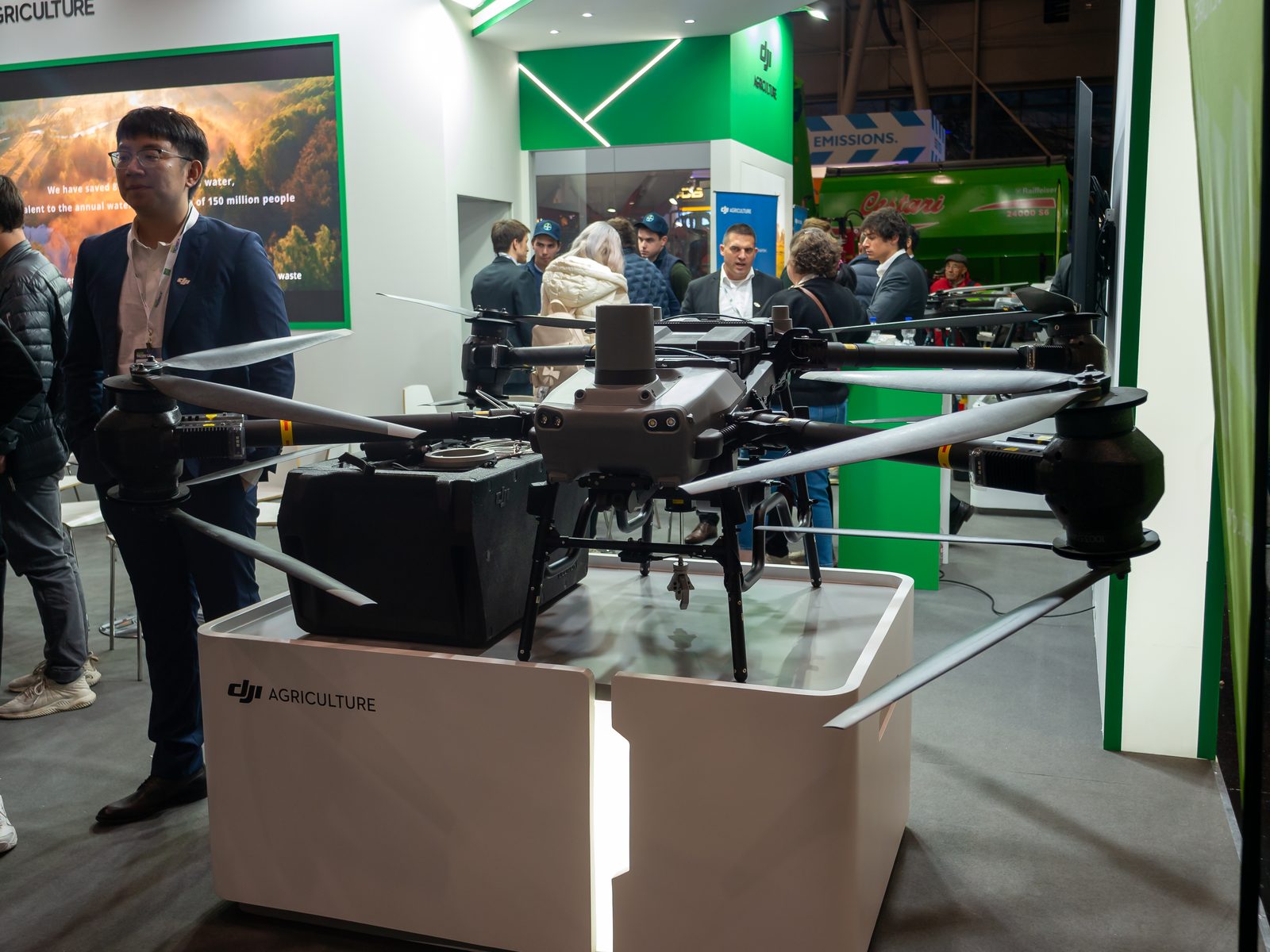
Filmmakers and news crews use DJI rigs because a shot that once needed a helicopter and a crane now needs a backpack. Farmers spray and map fields with the Agras line. Surveyors and construction firms build 3D models of sites. Energy and infrastructure inspectors fly along power lines and up wind turbines instead of sending a human up a ladder. And search-and-rescue teams, equipped with thermal cameras, look for missing hikers in the dark. The through-line is simple: DJI put a stabilized camera somewhere a person used to have to go, at a fraction of the cost and risk.
That range is what makes DJI hard to pin down. Most hardware companies pick a lane - toys or tools, consumer or enterprise - because the two pull in opposite directions. Hobbyists want cheap and fun; professionals want rugged and certified. DJI sells to both from the same catalog, and each side subsidizes the other: consumer volume funds the component supply chain, while enterprise margins reward the same reliability a first-time buyer never thinks about until the drone flies itself home on a low battery.
04One company, many categories
DJI's real business is not "drones" - it is stabilization and imaging, applied to whatever platform will take it. That is why the product family keeps branching sideways. The foldable Mavic and sub-250-gram Mini drones own the consumer and prosumer space. The Phantom and Inspire lines serve professionals. Then the same core technology leaves the sky entirely.
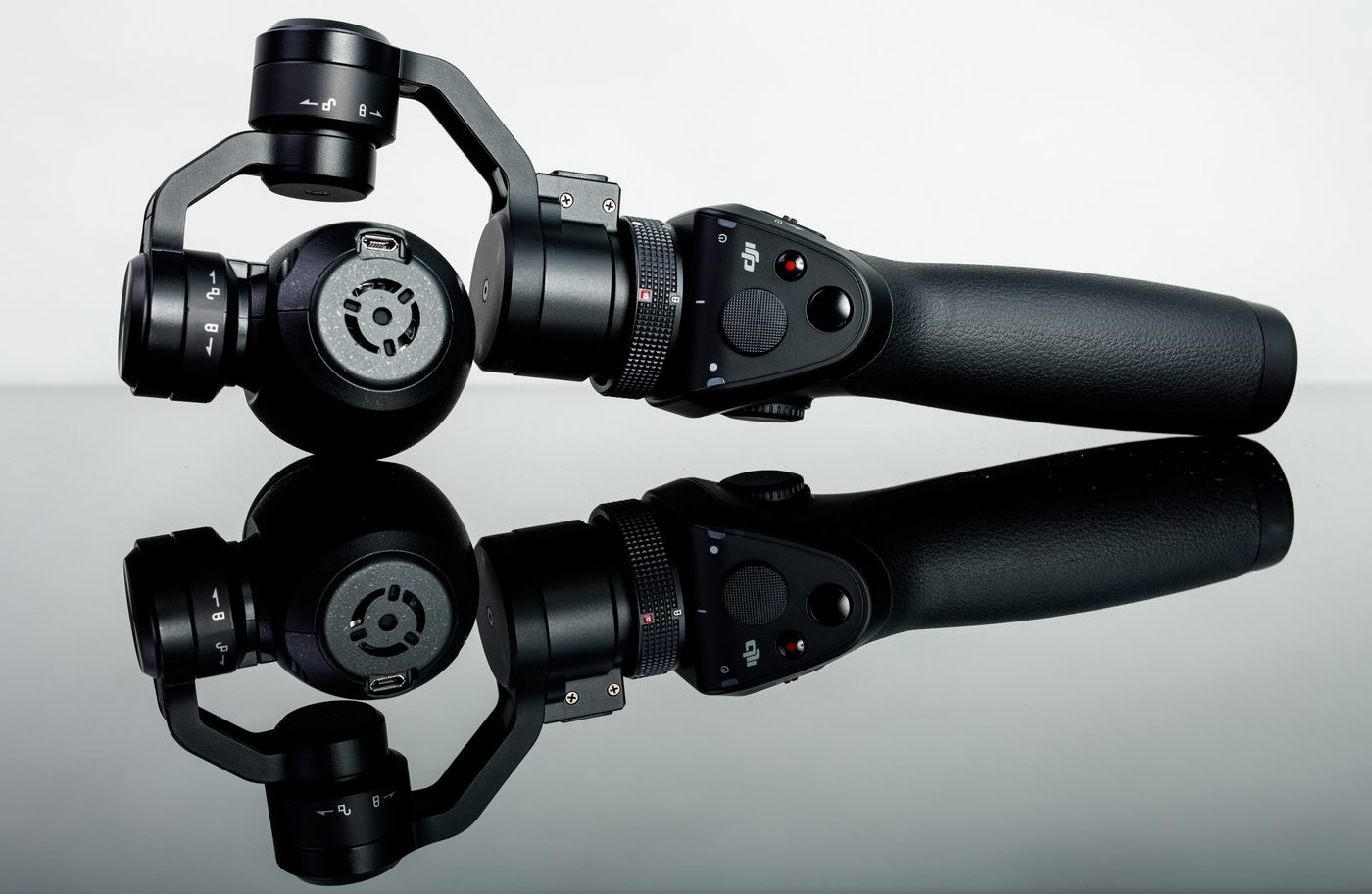
The Osmo handhelds (Pocket, Action, Mobile) put that steady-cam magic in your palm. The Ronin gimbals hold cinema cameras level on professional film sets. And on the industrial side, the Matrice platforms carry thermal and zoom payloads for inspection and public safety, while Agras drones treat crops by air. It is one engineering idea - keep the picture smooth - sold into a dozen very different rooms.
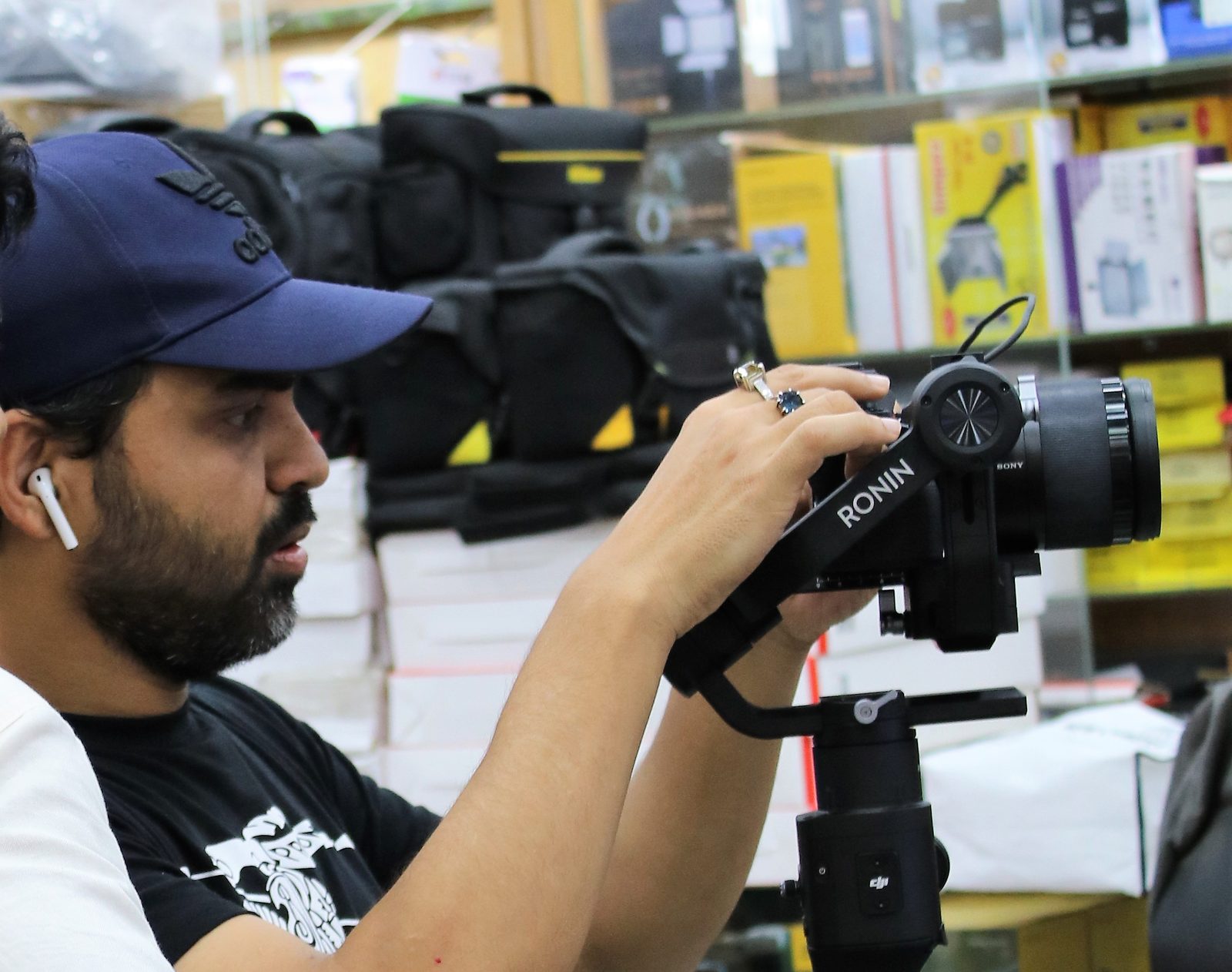
DJI did not invent the drone. It made the drone reliable, boring and impossible to compete with - then did the same thing on the ground.
05The business underneath
DJI is vertically integrated to an unusual degree. It designs and builds its own flight controllers, gimbals, sensors, cameras and airframes rather than assembling other people's parts. It sells directly through dji.com and its own stores, alongside a global network of distributors and enterprise resellers, and layers on accessories, batteries and DJI Care service plans.
The engine behind all of it is research. DJI reportedly puts more than a quarter of its workforce into R&D - a strikingly high figure for a hardware maker - which lets it ship new flagships faster than rivals can copy the last one. By the time a competitor reverse-engineers a feature, DJI has often moved on to the next model. Speed, not any single gadget, is the moat. The company is privately held; annual revenue is estimated in the range of several billion dollars, and its last major raise, around 2018, reportedly valued it near $15 billion.
06Washington's long shadow
Dominance abroad has made DJI a target at home in the United States. Lawmakers have spent years arguing that Chinese-made drones pose a national-security risk. An outright ban - the proposed Countering CCP Drones Act - was left out of the FY25 National Defense Authorization Act, but similar language survived: a US national-security agency was given roughly a year to audit DJI's products. If no agency completes that review, DJI's gear risks losing FCC authorization, which would bar its radios from US networks.
DJI's response has been to ask to be inspected. In early 2025 it wrote to five agencies - DHS, DoD, FBI, NSA and ODNI - requesting that any of them begin evaluating its products immediately. The outcome is still unresolved, and it hangs over a market where DJI holds something like an 80% share. American farmers, film crews and fire departments have, so far, kept buying anyway.
The standoff is a preview of a broader question hanging over consumer hardware: what happens when the best product in a category is also the one caught in a geopolitical crossfire. For now the practical answer is that customers weigh the drone in their hands against the headline on their screen, and most keep the drone. Whether that holds through an audit deadline is the part nobody can price yet.
07Where it fits
The competitive map is short. Autel Robotics offers the closest consumer alternative; Skydio has pivoted toward US enterprise and defense; Parrot, Yuneec and XAG hold pockets of the market; and a wave of US-assembled makers like BRINC and Anzu Robotics has drawn interest precisely because of the regulatory pressure on Chinese hardware. None of them approaches DJI's scale, catalog or shipping cadence.
What is worth copying from DJI is not the drone. It is the discipline: pick one hard technical problem - here, keeping an image steady - solve it better than anyone, and then carry that solution into every adjacent market you can reach. The sky was just the first one.