A gas well does not become worthless when it becomes unfashionable. That is the useful distinction behind Diversified Energy Company. A producer can finish its most exciting years and still have something to sell. The question is who wants to spend the next several decades collecting it.
- Buy existing production. Improve the work around it.
- Sell gas and liquids; manage transport and price exposure.
- Include the eventual plugging bill in the economics.
Thirty-five wells and a different clock
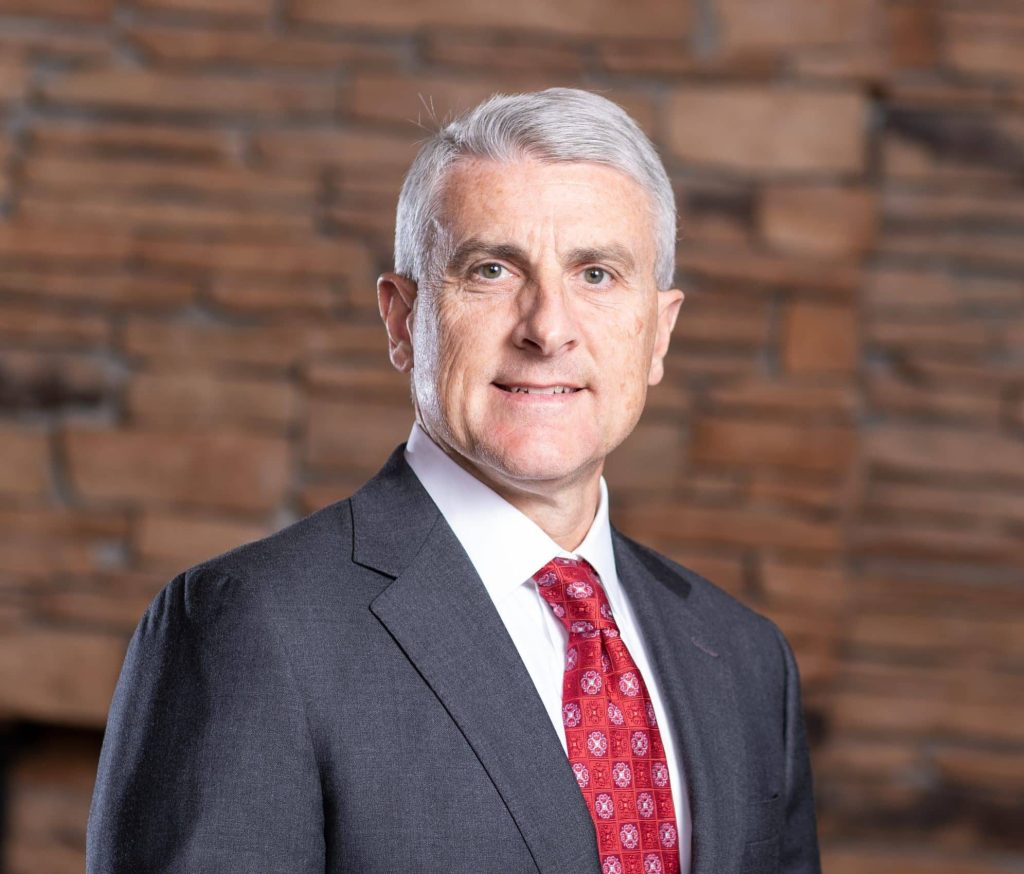
In 2001, Rusty Hutson began with 35 mature conventional wells in West Virginia. The reported purchase price was $250,000. He borrowed against his home to help finance the investment. His background contained an unusually useful combination: an oil-and-gas family, an accounting degree and a banking career.
He had originally wanted to escape the family industry. In a later interview, he described being drawn back to it, along with a desire to build something himself. The opportunity was already producing. He could examine what came out of the ground before deciding what to pay for what remained underneath.
This changes the entrepreneur’s clock. A developer concentrates on finding reserves and bringing a well into production. Diversified’s acquisition strategy concentrates on the years afterward, when output has settled into a more predictable decline. Its expertise sits in valuation, maintenance, infrastructure and the patient collection of smaller flows.
The business lives in the small jobs
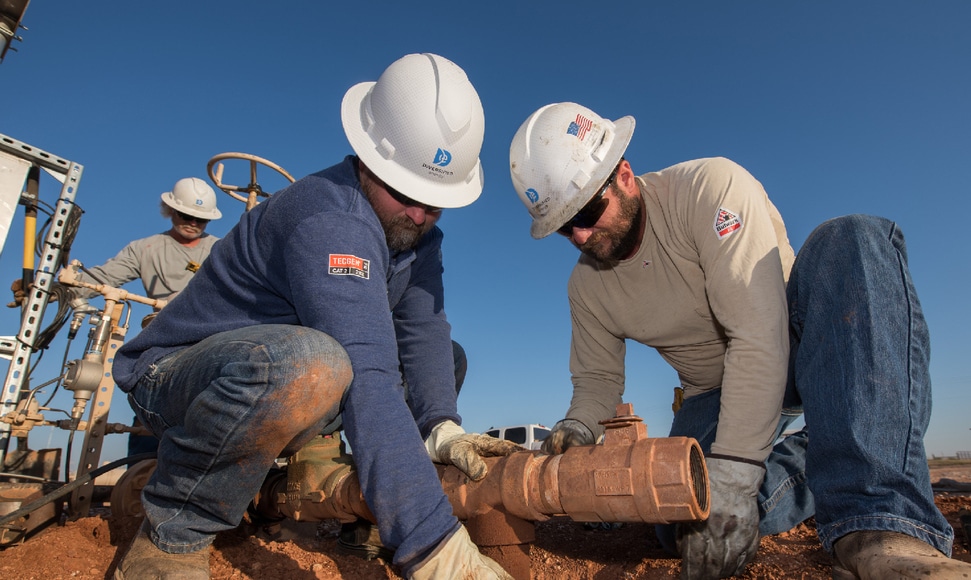
The company calls its operating approach Smarter Asset Management. The name is polished; the work is practical. Adjust compression. Remove excess fluid that obstructs production. Improve pumping. Inspect equipment. Repair leaks. The point is to get more useful output from infrastructure that somebody has already paid to install.
Those tasks help explain the attraction of scale. A small improvement at one well may barely register. Repeated across a portfolio, improvements can support cash flow. Nearby assets can share operating resources, while gathering systems and transportation arrangements help connect production with buyers. Geography matters because a cheap asset is less useful if it is expensive to reach or serve.
The products are natural gas, natural gas liquids and oil. Customers buy energy commodities; producers can also use marketing and transportation services. Next LVL Energy, its well-retirement subsidiary, serves company-owned wells and third parties. For a business buyer, the useful offering is physical supply and the machinery around moving it to market.
Natural gas represented 71% of second-quarter 2026 production on an equivalent-volume basis. This remains a fossil-fuel business. Better methane detection and equipment repairs address the footprint of producing it; they do not turn the product into renewable energy.
- 01 Acquire
- 02 Optimize
- 03 Market
- 04 Retire
The purchase is the beginning of the obligation.
There is a cultural detail worth keeping: field employees carry challenge coins bearing the company’s operating guidelines. Two principles read “Every Unit Counts” and “Every Dollar Counts.” Safety comes first in the published rules. That is the management problem in miniature: encourage thousands of small economies without making an unsafe shortcut look like an improvement.
The last bill arrives later
A producing well carries a future expense. Eventually it must be plugged and the site restored. Buying the revenue also means accepting that responsibility. Maintenance cannot postpone the reckoning forever, and a well’s remaining useful life is an estimate rather than a promise.
Landowners brought that tension into court. In the McEvoy litigation, they alleged failures to plug inactive wells and challenged transfers from EQT to Diversified. Diversified contested the allegations. A 2024 settlement agreement called for plugging 2,600 wells across six states and up to $6.5 million from the defendants for notice, fees and related costs. Allegations are not findings, but the dispute exposes a real conflict over timing.
The acquisition price is only part of what an old well costs.
In October 2025, Diversified and West Virginia announced the Mountain State Plugging Fund. Diversified committed $70 million over 20 years. OneNexus guarantees the principal, with the state designated a third-party beneficiary. The announced framework anticipates approximately $650 million of long-term financial protection. That projected amount should never be mistaken for cash already deposited.
The lesson travels beyond energy. A buyer evaluating old machinery, buildings or infrastructure should price the final job alongside the next year’s earnings. Low purchase prices can disappear into maintenance and closure costs. Diversified’s model depends on collecting enough value during the intervening years to make the whole lifecycle work.
The buyer picks up a drill
Financing makes that lifecycle larger. In June 2025, Carlyle agreed to a partnership targeting up to $2 billion of producing-asset investments. Asset-backed securitization connects portfolios of expected production cash flows with institutional financing. The operating company supplies field expertise; the capital partner supplies structuring and credit expertise. A financing commitment still has to become individual transactions.
Then came a revealing development. In August 2026, Diversified announced a one-rig operated drilling program in Oklahoma. Management described adding reserves and production while reducing reliance on acquisitions. The mature-asset buyer was widening its toolkit. Drilling introduces capital requirements and execution risks that deserve separate attention.
Proposed Birch acquisition value
Planned ABS: $1.5bn / acquisition: $1.8bn
Expected closing: Q4 2026, subject to conditionsIn September, it agreed to acquire Birch’s Permian business for approximately $1.8 billion, primarily financed through a planned $1.5 billion securitization and other sources. Carlyle and Diversified also announced an expanded partnership targeting up to $10 billion of future opportunities. These are announced plans, with Birch’s closing expected in the fourth quarter, subject to conditions.
The idea remains understandable even as the financing gets elaborate. Buy something with useful life left, improve its economics, and account for its end. It needs adequate production, accessible markets and financing that the cash flow can support. Falling commodity prices, underestimated decline or a larger retirement bill can upset the arithmetic. The telling measure is what remains after all those jobs have been paid for.