Consider two pieces of oil country, each measuring roughly 2,000 net acres. In early 2024, Permian Resources traded one for the other. The acreage count barely moved. The usefulness did. It exchanged non-operated interests and land suited to shorter wells for acreage beside its existing position in Lea County, New Mexico. The incoming land was on the development schedule. The outgoing land was not.
That small swap is a good introduction to a company usually described through much larger transactions. Oil acreage is not interchangeable. Its value depends partly on who owns the parcel next door, what infrastructure is available, and whether the operator knows how to develop it economically. Permian Resources has made a business of those connections.
- Buy what fits. Nearby acreage can work better with existing operations.
- Make the field cheaper. Test the acquisition thesis in actual operating costs.
- Follow the cash. More production is useful only when the economics cooperate.
A public company, assembled locally
Will Hickey and James Walter co-founded Colgate Energy in 2015. Hickey brought petroleum engineering and private equity experience; Walter brought consulting and energy investment experience. They became co-CEOs of Permian Resources when Colgate combined with Centennial Resource Development in September 2022. The new identity came with an established public-company predecessor, rather than a conventional startup launch.
Before that combination, Colgate had considered a sale or an initial public offering. In public remarks later reported by the Midland Reporter-Telegram, Hickey pointed to neighboring acreage and shared infrastructure when explaining Centennial’s appeal. One practical example was water recycling: Centennial’s infrastructure could serve wells Colgate already had planned. The reason to combine had an address on the ground.
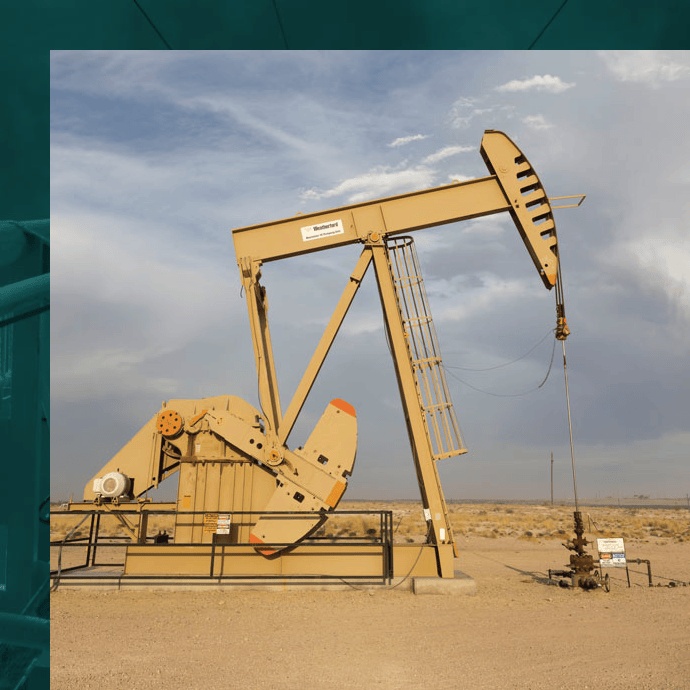
The next large step was Earthstone Energy. Announced in August 2023 and completed that November, the deal carried an approximately $4.5 billion value, including net debt. The equity consideration was stock: 1.446 Permian Resources shares for each Earthstone share. Existing owners were sharing future operating results, including the risk that promised improvements would disappoint.
The acquisition begins after closing
The company expected roughly $175 million in annual cash-flow improvements from Earthstone, including operating, administrative and financing benefits. Expectations are easy to print. The more revealing disclosure came in February 2024: Permian Resources reported that downtime on Earthstone’s former Midland Basin assets had fallen 50% since closing.
“Less than nine months after closing the Earthstone acquisition, we’ve driven field costs back down to legacy PR levels.”
Will Hickey, co-CEO / August 2024
That statement gives the acquisition thesis a measurable test. Buying production increases the production total immediately. Reducing downtime or lowering a well’s construction cost requires changes in the field. By the second quarter of 2024, the company reported drilling and completion costs of about $830 per lateral foot, approximately 13% below its 2023 level.
Dollars per lateral foot. Selected reported periods; well mix varies. This measure excludes other costs of developing and operating a well.
The acreage has to fit
The method also operates below the headline-deal level. Buying a small working interest can increase the share of a planned well that Permian Resources owns. Swapping acreage can improve the shape of a development block. Both are ways to make an existing drilling program more valuable without first inventing an entirely new one.
In 2025, the company reported more than 700 acquisition transactions totaling about $1.1 billion. It also said acquisitions replaced all the inventory developed that year, its third consecutive year of doing so. Inventory matters because production uses up future opportunities. A producer needs tomorrow’s drilling locations as well as today’s flowing wells.
This is where its competitive argument sits. Against other Permian producers, including Diamondback and Matador, Permian Resources emphasizes Delaware Basin familiarity, operating costs and local transactions. Those advantages must be demonstrated repeatedly. A neighboring asset can still be a poor purchase if its price already includes every improvement the buyer hopes to make.
The barrel has a buyer
The products are straightforward: crude oil, natural gas and natural gas liquids. Customers are wholesale purchasers and marketers. Enterprise Crude Oil accounted for 34% of total net revenue in 2025. Much of the company’s sales pricing follows commodity indexes, with adjustments including transport and quality. Customers are purchasing physical supplies for established energy markets.
For a business buyer, Permian Resources belongs upstream in the supply chain. For a mineral owner, it may be an operator or a counterparty in an interest transaction. For an investor, NYSE: PR offers exposure to production economics and management’s allocation of capital. None of those relationships makes commodity prices controllable.

Sometimes the sensible number is smaller
In the second quarter of 2026, Waha natural gas prices averaged negative $3.14 per thousand cubic feet. Permian Resources curtailed some gas-heavy production exposed to that pricing. Oil production rose from the preceding quarter while gas and liquids volumes declined. The response illustrates a useful distinction between maximizing output and maximizing the money left over.
There is a less flattering operating lesson, too. A 2023 EPA settlement addressed air-regulation violations identified during 2020 flyovers at the predecessor operation. It required a $610,000 penalty and corrective action at nine facilities, including equipment work and monitoring. Responsible-operation claims have to survive inspection as well as the annual report.
What travels beyond Texas
The transferable idea is to identify the improvement before buying the asset: a connection, an operating method, a cost that can actually change. Then measure whether it changed. The approach depends on reasonable purchase prices, usable infrastructure, permits and expertise that transfers. Weak commodity prices or expensive integration can overwhelm local advantages. The neighboring parcel is an opportunity. The work decides what it becomes.