Dan Castles brought a rather unfashionable exhibit to Washington State University in 2014: the names of 28 firms that had turned down his startup idea. In front of students competing in a business plan competition, the co-founder of Telestream made room for the people who had declined to finance it. “Fortunately, number 29 said ‘yes,’” he told them. A polished entrepreneurial origin story usually edits the rejection list. Castles kept it available for teaching.
The anecdote is a useful introduction to a career that resists a tidy ending. Castles helped establish Telestream in 1998, retired from its chief executive role, returned, retired again, and returned again. In July 2026, he moved to executive chair as Benjamin Desbois became CEO. There is a pleasing administrative difficulty here: anyone preparing a farewell presentation for Dan Castles would do well to keep the file editable.
Behind those comings and goings lies a more consistent preoccupation. His work has involved getting people, companies and technologies to cooperate long enough to produce something useful. The television business supplies ample opportunities to practise. A picture that looks effortless on a screen can have a remarkably complicated journey getting there.
A business education, followed by television
Castles graduated from Washington State in 1978 and holds a business degree from the university, along with an MBA from the University of Portland. His route into video technology went through finance and management. At Tektronix, the Oregon electronics company, he served as controller and later as vice president of its Television Division. In 1994, after a sixteen-year career there, he became president of Grass Valley Group, then a Tektronix division.
That background matters to the shape of the enterprise he would help create. He had worked inside an established broadcast equipment business before setting out with a new company. Budgets, customers and the organisation around an invention were already part of his working life. Telestream would need all three. Software can be written by a small group; a durable business also needs someone to work out how the group will be paid.
The decision to leave his former employer had a domestic dimension. Faced with a relocation, Castles chose to stay in Northern California with his family. He had young daughters and no settled plan for his next job. A nine-month break gave him time to consider a business and assemble a team. The idea existed as a high-level architecture before there was a finished product. Prospective employees were ready to join when financing arrived.
That sequence gives the fundraising rejections their proper weight. There was a proposed company to explain, people waiting on a decision, and a product still to build. The eventual first product, ClipMail Pro, let users exchange high-quality media over IP networks. Telestream began with the practical problem of moving video between places. Moving an idea from a conversation into a funded organisation had been the preceding exercise.
The interesting part was between the machines
Video files have a talent for turning a simple request into a meeting. Different formats, devices and production systems must agree about what they are receiving and what happens next. Telestream built products to handle those incompatibilities and automate the work around them. Its territory was often the part of media production an audience never sees: processing, conversion and the handoff from one system to another.
By 2009, the company had expanded into cross-platform software through Flip4Mac. Acquiring Popwire extended its work on compatibility between Mac and Windows environments; acquiring Vara Software added live production and streaming products. This was a wider set of jobs than the original exchange of media files. The recurring commercial opportunity remained recognisable: people had video they wanted to use, and technical differences stood in the way.
In 2014, Castles described the spread of IP technology through broadcasting as a gradual development. Editing systems, servers and other tools had already been changing for years. He paid particular attention to metadata, the information accompanying media, because it could help software decide what to do next. His account placed the value in connected workflows, where several operations could work together with less manual intervention.
He also insisted on cooperation between suppliers. Broadcast operations bought from multiple vendors; an individual company could not reasonably expect to provide every component. That is an unusually useful admission from someone selling technology. Customers already had equipment, investments and habits. Making those pieces work together offered a more practical proposition than requiring a clean start. Castles’s view of change left room for the machinery people had bought yesterday.
Different machines. Different formats. A shared destination.
Conceptual illustration of a media workflow.
Growth brought new owners, then a goodbye
Telestream’s ownership changed as the business expanded. Thoma Bravo acquired it in 2012. In January 2015, Genstar Capital announced an agreement to buy the company. Castles stayed in the chief executive role through those changes. His stated plans with Genstar included further investment in existing products, reaching additional customer markets and making more acquisitions. Building the company had become partly a matter of bringing other businesses into it.
There is a particular management challenge in that kind of expansion. Buying a product adds capabilities on paper; making it useful alongside the rest of a portfolio takes further work. Telestream’s earlier emphasis on compatibility supplied an apt description of the organisational task as well. A company that helps other people connect systems must also find ways to connect its own people and products.
On October 24, 2017, Telestream announced Castles’s retirement as CEO and the appointment of Scott Puopolo. Castles described a company that had grown from an initial team of eleven to more than 400 employees around the world. He would remain an active board member and an ambassador for its community involvement. The departure changed his daily responsibilities while preserving a connection to the institution he had helped build.
“Knowing the right time to retire is not easy.”
Dan Castles, October 2017
It is a disarmingly plain sentence for a corporate farewell. The subsequent years would give it additional resonance. At the time, the handover was presented as a transition to another leader, with Castles still available through the board. His relationship with Telestream had acquired another form. It would acquire several more.
The return came with familiar company
Telestream announced his return as CEO in February 2020, succeeding Puopolo. Castles pointed to changing viewing habits and the need for broadcast business models to adapt. He spoke about employees, customer needs and the company’s next phase of growth. The company was dealing with a media market in which the destination for a piece of video could no longer be assumed to be a conventional television set.
That second spell included five acquisitions, extending Telestream’s capabilities across the media supply chain and supporting customers moving work to the cloud. In February 2023, Rhonda Bassett-Spiers was named CEO, and Castles stayed through April to assist the transition. Once again, the career appeared to have reached a natural closing bracket. Once again, the bracket proved movable.
His next return was announced in December 2024. Several former senior colleagues came back too: Mark Wronski and Charlie Dunn in product roles, Anna Greco in customer experience and Jennifer Fehrmann in finance. Sarah Klose joined as executive vice president of human resources. Castles’s explanation centred on customers and the usefulness of experience. The returning executives brought knowledge of a specialised market and relationships developed within it.
The December announcement put several names beside the founder’s. Castles came back alongside people with distinct responsibilities. Product, customer experience and finance each had a place in the announcement. Whatever confidence the founder inspired, the work still required a team. The organisation chart was part of the story.
Back in Pullman, the pitch runs both ways
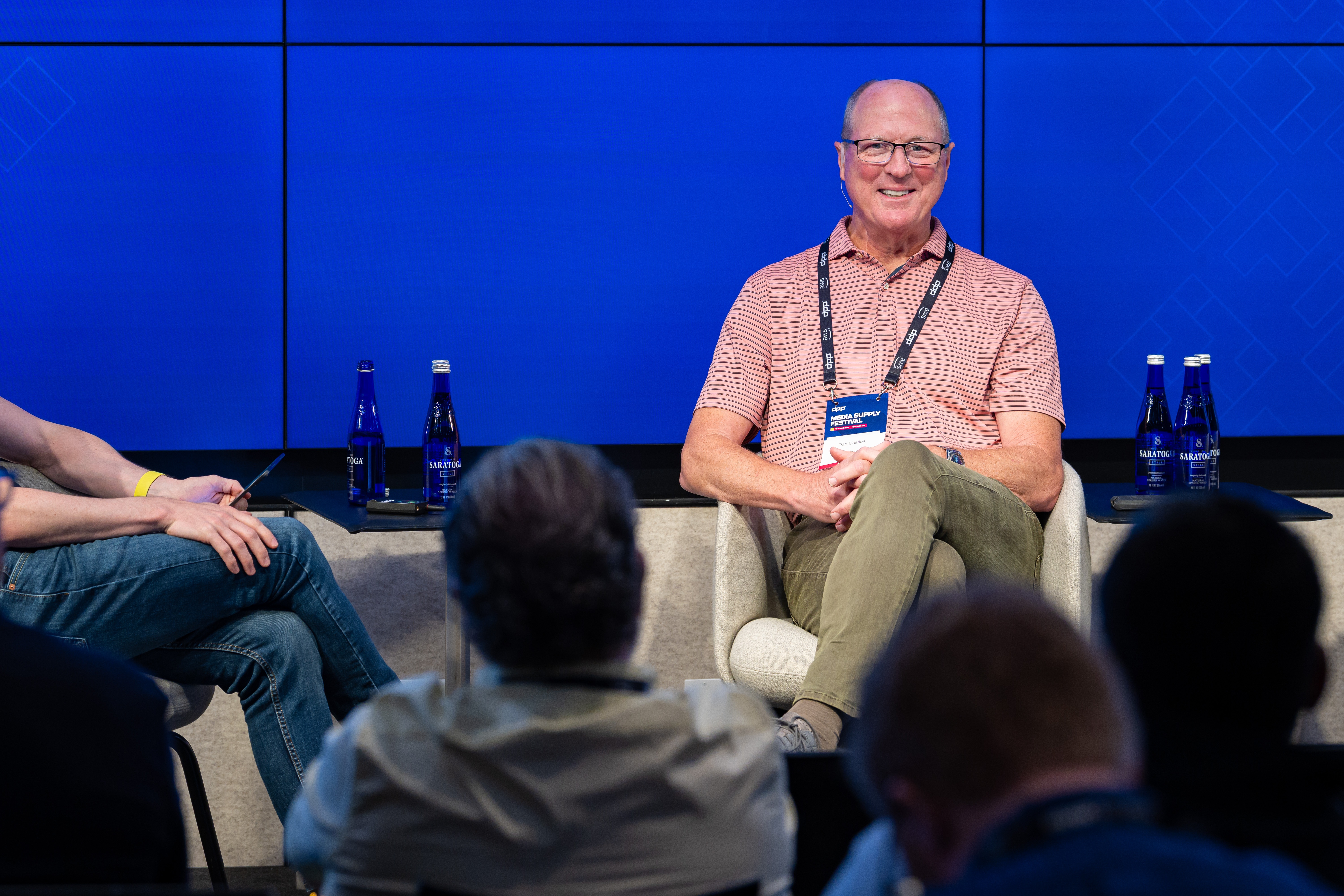
Washington State has remained another recurring destination. Castles and his wife Joanne, also a 1978 graduate, established the Castles Excellence Fund in Entrepreneurship. He has spoken to classes, mentored business plan teams and judged the university’s competition. In 2022, the couple supported the creation of a student-athlete entrepreneurship initiative connecting business education with opportunities around name, image and likeness.
On September 6, 2025, he received the WSU Alumni Association Alumni Achievement Award. The recognition joined his business career to years of service to the university. His wife, daughters and brothers are all WSU graduates. For Castles, returning to campus is also returning to a family connection.
“My Pullman experience shaped who I am as a person and my business philosophy,” he said. Giving students access to an experienced founder turns that connection into something practical. They can ask about the uncomfortable interval before funding, the choice of colleagues, or the problems that survive a successful launch. He has examples ready.
A different chair, with work attached
The 2026 handover to Benjamin Desbois gave Castles another role: executive chair of Telestream’s board, effective July 1. Desbois had been chief growth and strategy officer and had worked closely with him. Castles’s continuing responsibilities include strategic direction, customer relationships and supporting the new CEO and leadership team. The arrangement keeps his experience available while assigning daily executive leadership to his successor.
Trust was central to Castles’s explanation of the choice. After years spent working on compatibility between technologies, he was talking about continuity between people. A succession announcement cannot establish how a transition will turn out. It can describe the work each person is expected to do, and this one gave the founder a continuing assignment.
The student presentation with the 28 rejected approaches has aged well. Castles had preserved an awkward part of the beginning and made it useful to someone else. His career since then has involved plenty of further conversations: with customers, colleagues, owners, successors and students. Getting the first yes opened the door. Keeping the company working required him to keep talking after he walked through it.