Consider four million debit cards that could not do what their owners suddenly needed: buy online or make international purchases. That was the problem facing a Colombian bank during the pandemic, according to Customer Intelligence. The cards existed. The accounts existed. The missing piece was a product capability. A marketing campaign could attract attention; it could not make an ineligible transaction work.
- CI combines payments consulting with analytics, marketing and implementation.
- Its cases range from updating debit cards to improving merchant payment approvals.
- The useful lesson: diagnose the obstacle before choosing the growth tactic.
CI’s account of the assignment begins with segmentation and prioritization, moves through a business case and a readiness assessment, then reaches implementation. The firm says the update brought e-commerce and international transaction features to four million cards. A real-time dashboard followed. The sequence matters: first establish what the product can do, then watch what customers do with it.
Debit cards covered by a digital product update.
Find the blockage. Then pick the tool.
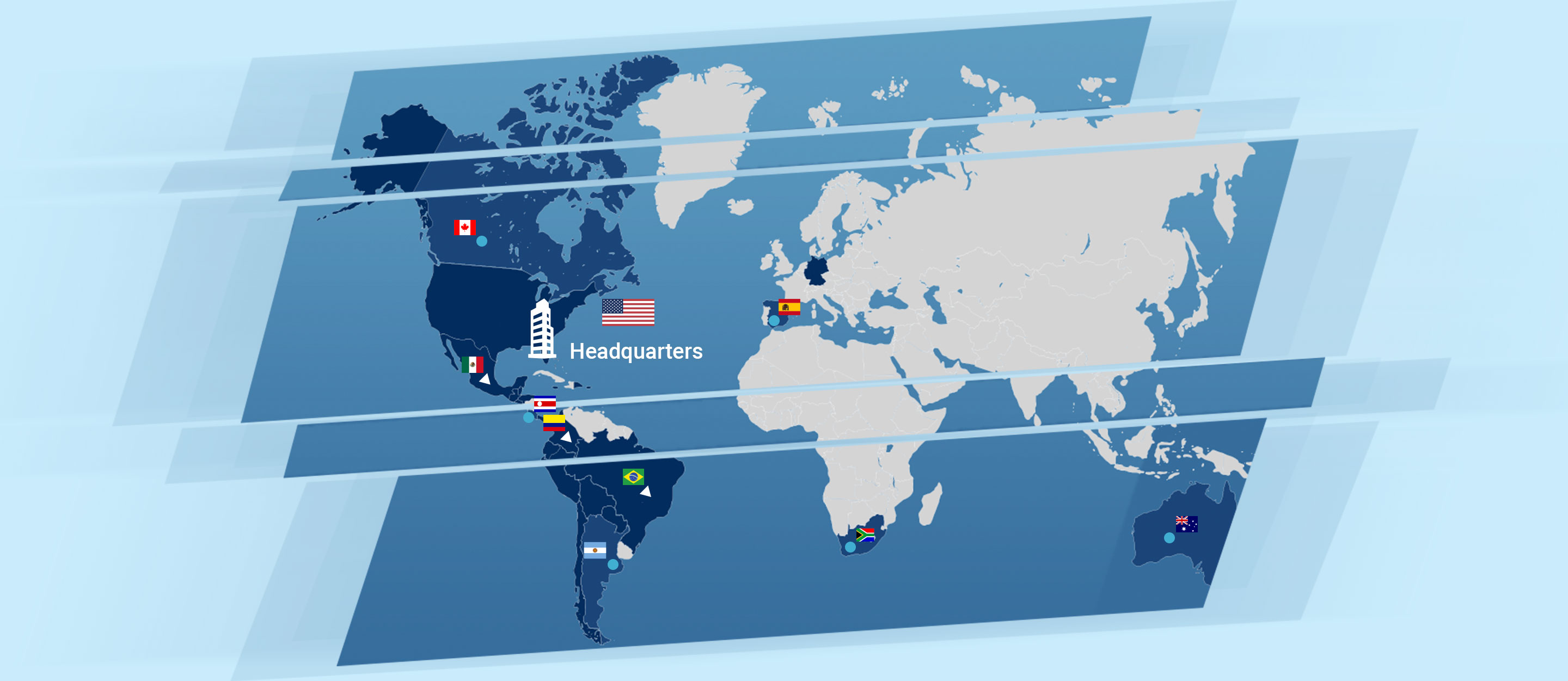
Customer Intelligence is a consulting and services firm with a particular interest in the machinery of electronic payments. Its geographic emphasis is North America, Latin America and the Caribbean. The company reports more than 500 projects, over 150 clients and work in 30 countries. Those figures describe its claimed footprint; the individual assignments provide a better explanation of its work.
Its customer list is a map of the payments business: banks, card brands, processors, fintechs, payment facilitators, clearing houses and merchants. These organizations face different versions of the same commercial puzzle. A payment product may be available but underused. A merchant segment may be attractive but poorly served. A transaction may reach the authorization process and be declined.
CI offers several ways into those problems: strategy and analytics, sales and communications, operational support, training, alliance development and technology specialists. Its business is professional services for organizations, including project work and staffed expertise. The combination suggests a practical position in the market: a client can ask for help defining a problem, delivering a change or supplying people to keep the work moving.
The market hiding in plain sight
Take the United States assignment. A payment aggregator already had a substantial national presence but struggled to reach Hispanic-owned merchants and businesses with Spanish-speaking operators. CI describes sizing the segment, examining its geography and industries, benchmarking competitors, then redesigning sales, distribution and customer service. The problem was more specific than insufficient national reach.
The resulting headline number was $21.6 billion in business potential across 1.8 million merchants. Read that carefully. It is an estimate of opportunity, rather than booked revenue. The interesting output was a clearer target and a route to serving it. For a commercial team, that distinction separates a promising market study from evidence that a sales strategy has already worked.
Getting the card out of the wallet
In Jamaica, the starting condition was falling cardholder spending and slow adoption of online and international purchases. CI’s response joined audience segmentation with a digital campaign, a customer journey, incentives and local business partnerships. Social media, a landing page and email were among the channels. Campaign monitoring was part of the assignment, too.
The firm reports a 22% transaction increase during a two-month campaign, reaching up to US$27 million. That is a reported campaign outcome. It does not, by itself, tell a buyer the net profit after rebates, media and delivery costs. Anyone copying the approach should judge the spending it creates against the expense of creating it, and check whether the behavior persists.
- 01DiagnoseAudience, capability or process?
- 02ChangeMatch the intervention to the obstacle.
- 03MeasureTrack the outcome and its economics.
When the defense stops the sale
Mexico presents another complication. CI describes a bank whose acquiring-side approval rate had fallen because of fraud-prevention practices. Acquiring is the merchant-facing side of accepting payments. Here the work involved mapping authorization and fraud processes, examining performance indicators, building a dashboard and supporting implementation of recommendations. The firm reports a 10% increase in approval rate.
More approvals are commercially attractive, but they need a companion measure: fraud losses. A reader can copy the process-mapping discipline without assuming that relaxing a control is automatically beneficial. The appropriate decision depends on which transactions are being rejected and the consequences of accepting them. This is where payment expertise becomes operational judgment.
“highly flexible and embedded into our value chain”
An unnamed card-brand executive, in a testimonial published by CI
The handoff is part of the work
The firm’s hiring briefs make its delivery model more tangible. A Panama technical-analyst role connects business, technology and operations through requirements, implementation planning, risk identification and coordination with third parties. A Mexico CRM campaign role brings together data, channels, technology, risk and operations. These are jobs concerned with the space between a recommendation and its execution.
That helps explain CI’s range. Its Panama branding case even involved a bank’s European soccer-league sponsorship launch, with more than 300 key attendees and 29 journalists reported. A sponsorship event and an authorization dashboard seem far apart. Both can sit inside a financial institution’s attempt to turn an existing proposition into a more effective business.
For a prospective customer, the choice is therefore assignment-specific. A bank needing regional payments expertise and implementation support has a different brief from one shopping for a standardized software license. CI’s stated commitments to training, inclusion and accountability also fit a business whose delivery depends on people working inside client processes.
The thread through these cases is a useful habit: locate the point where intention stops becoming action. In Colombia, that meant updating what a card could do. In the US, it meant understanding whom an aggregator was failing to reach. Good diagnosis changes the shopping list. Sometimes the next purchase is a campaign. Sometimes it is a dashboard. Sometimes four million cards need a change first.