The awkward part arrives after the recipe works. A food blogger has developed the dish, photographed it, published it, and persuaded an audience to care. Then a brand gets in touch. What should the partnership cost? What does the contract mean? Who, exactly, is running the business while the person responsible for dinner is answering all these emails?
Those were the questions that brought bloggers back to Laurie Buckle. She had been helping them with positioning and content. By 2015, according to CookIt Media’s account of its beginnings, their needs had changed. They wanted help with the commercial consequences of having an audience. Consulting had brought them to a door. Management would help them walk through it.
The editor and the contract
Buckle came from a world that understood how much work a recipe could contain. Her career included Bon Appétit, Fine Cooking, and Better Homes & Gardens. Food magazines divided the labor among specialists. Bloggers compressed much of it into one person. She saw a different production model taking shape, with the creator doing work that once required a much larger operation.

CookIt’s intervention was practical. On the creator side, its work includes negotiations, invoices, payments, and finding partnerships. It also offers guidance on growth. That is an appealing bundle for someone whose inbox competes with the work that made the inbox valuable in the first place.
The audience for this service is already doing something people want. CookIt’s own readiness questions include whether creators are missing paid opportunities because they cannot respond to brands. That is a useful distinction. A manager makes more sense when a creator has commercial work to organize, ambitions to pursue, and a willingness to collaborate.
Across the table sit brands and their agencies. CookIt helps them plan campaigns, select talent, write briefs, arrange licensing, and report results. Its brand offering also includes recipes, images, and video for clients’ own channels. The business sells the judgment and labor required to put those pieces together.
“We speak food.”
CookIt Media’s three-word pitch to brands
Food knowledge gives that judgment a particular flavor. A creator’s relationship with home cooks is different from a celebrity’s general visibility. Someone trying to solve Tuesday’s dinner may be paying close attention to substitutions, equipment, and effort. The useful question for a brand is whether its product belongs inside that exchange.
The roster makes the range tangible: Erin Antoniak of Erin Lives Whole, Jess Larson of Plays Well With Butter, Luke Brown of Cooking in the Midwest, and Isabel Orozco-Moore of Isabel Eats. CookIt also represents creators in categories including travel, family, and wellness. Its food roots provide a starting point for a broader lifestyle business.
Casting starts with the customer
Consider a bag of nut flour. It needs more explanation than a snack somebody can eat straight from the packet. Fisher Nuts wanted to introduce almond and pecan flours while learning which consumers would respond. CookIt’s campaign cast 18 influencers whose combined following exceeded five million, spread across audience segments.
The agency worked with each creator on deliverables, then developed briefs around the interests and problems of the intended audiences. The final report included recommendations on creators, segments, and messaging. In other words, the assignment produced a set of decisions Fisher could use afterward, alongside the published content.
A 7% reported engagement rate. Saves suggest interest in returning to a recipe; they do not establish purchases.
A lettuce campaign posed a different constraint. Little Leaf Farms wanted to reach shoppers on the East Coast. CookIt selected five creators based there with strong regional followings, then asked for ways to eat more greens beyond the obvious salad. The case study describes one Instagram post reaching beyond its creator’s follower count.
The distinction is easy to copy. Start with the people who can actually use the product. For a regional grocery brand, that includes location. For a specialist ingredient, it includes cooking habits. An impressive audience total becomes less useful when the people behind it cannot buy the product or have little reason to try it.
- 01 Define the customer
- 02 Choose relevant creators
- 03 Brief for a useful recipe
- 04 Learn from the response
What 98 cents buys
For Organicville, CookIt chose four influencers with a combined following of 1.79 million across relevant channels. The dressings and condiments had a specific appeal: options for people attentive to ingredients or dietary restrictions. The creative task was to show how those products fitted into something appetizing and convenient.
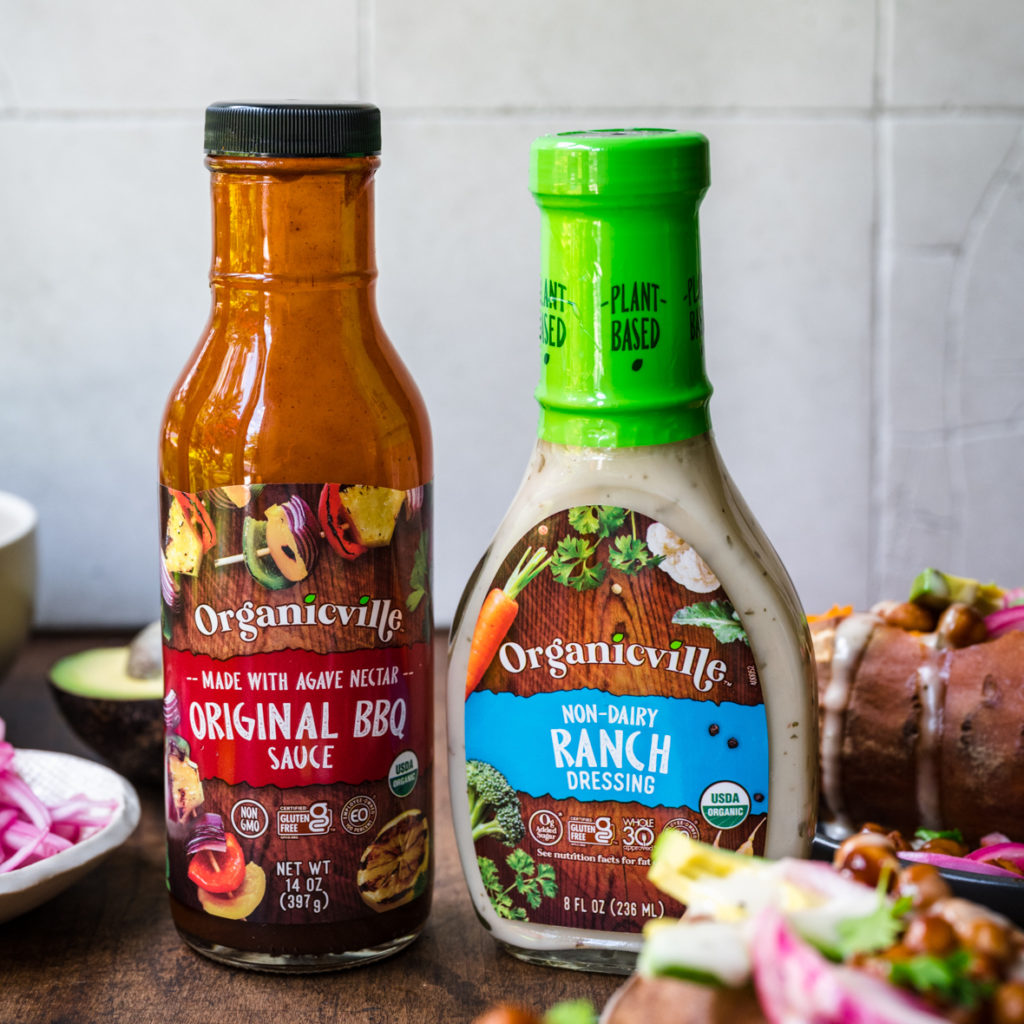
The published results report more than 221,000 impressions, 15% engagement, and a cost per engagement of $0.98. These are agency-reported campaign figures. They measure attention and interaction; they are not a tally of grocery purchases.
The unit is an engagement.
Keep that unit attached to the number.
That last point matters when borrowing the method. Decide beforehand what a useful response looks like. A saved recipe, a comment, and a sale answer different questions. Readers evaluating these results should resist the temptation to turn an attractive engagement figure into a claim about revenue.
CookIt occupies the space between hiring creators directly and asking a generalist agency to assemble a food campaign. The work still involves contracts, scheduling, and reporting. Its case for being chosen rests on how well it understands the category and the people creating within it. A buyer gets a team to coordinate the assignment, with editorial experience informing the choices.
A business that outlives the post
The agency earned a place on the 2020 Inc. 5000, ranking No. 1,756. Its more recent direction asks what creators can build beyond sponsorships. In a retrospective on 2025, Buckle described the spring launch of the CookIt Collective, an initiative for that next stage.
The Collective begins with consulting: define the ambition, examine the opportunity, and assess whether the timing and scope make sense. CookIt then draws on its Council of specialists. A prospective cookbook author might need a literary agent and a book packager. A creator interested in spices might need a co-packer.
There is a sensible pause built into that sequence. Having followers does not automatically make a product venture ready. Assessing readiness before assembling the specialists gives a creator a chance to work out what the project will demand. The advice readers can borrow is to name the business they want to build before hiring for it.
CookIt has had to reconsider its own description, too. La.Rue Creative Studio’s account of its rebrand identifies a concrete problem: food-focused positioning had become too narrow for the agency’s expanding lifestyle roster. The identity and website needed to reflect the work the company wanted to pursue.
That echoes the earlier move from consulting to management. In both cases, the next decision followed a mismatch between an existing description and what people needed. First came bloggers asking about contracts. Later came a broader roster and ambitions beyond the sponsored post. CookIt’s story keeps returning to the same unglamorous question: who will do the work that lets the next thing happen?
Pull up a chair
Explore CookIt Media, browse the talent roster, or make a brand inquiry. Creators can apply for management.
Follow on Instagram, LinkedIn, and Facebook; find Buckle on X. Listen to her discuss brands and creators on Next in Media or understanding an audience on Food Blogger Pro.