At Icelandair, a promotion could be ready while the publishing system was still thinking. Batch updates in its old dotCMS setup took 30 to 40 minutes, according to Contentstack’s customer account. For an airline selling across languages and markets, that delay made the machinery behind the website part of the marketing problem.
- Contentstack separates reusable content from the websites and apps displaying it.
- Its expanding platform connects publishing, customer data and AI workflows.
- The practical test: can your team ship a routine change with fewer handoffs?
The queue was the clue
Icelandair evaluated 15 CMS options and chose Contentstack. The vendor’s case study reports a three-week migration and more than 90% less time to push out promotions. Those are one customer’s results. The revealing part is the change in who could do the work.
“I don't have to depend on the developers to do everything.”
Hallur Halldórsson
Icelandair, UX writer and content designer
Software procurement tends to reward impressive demonstrations. Everyday use rewards something less theatrical: being able to change a sentence without assembling a committee. Contentstack’s proposition becomes easier to understand when you count the interruptions a publishing task causes.
A website is only one destination
A conventional website CMS often stores content alongside assumptions about how a page should look. A headless CMS separates those jobs. Editors manage structured entries; applications request the material through APIs. A product description can travel to a website, an app or another interface without becoming three unrelated documents.
Contentstack provides the repository, content models, localization, permissions and publishing workflows. Developers choose the presentation layer. Its Visual Editor helps business teams see and change what they are making. Launch supplies front-end hosting and deployment. These surrounding tools address an awkward truth about architectural freedom: somebody still has to assemble the experience.
The buying shortlist crosses two markets. Contentful, Storyblok and Sanity offer alternative headless approaches; Adobe Experience Manager and Sitecore compete for broader digital experience budgets. Contentstack wants the flexibility of modular software and more of the coordinating machinery around it. Buyers should compare the workflows and services they actually need, rather than treating every CMS badge as equivalent.
Freedom needs a help desk
This preoccupation with connections predates the current AI vocabulary. Neha Sampat, Nishant Patel and Matthew Baier previously built Built.io, an integration business acquired by Software AG in 2018. Contentstack became independent that year. In 2020 it helped found the MACH Alliance, which advocates microservices, APIs, cloud-native software and headless architecture.
The company raised $31.5 million in 2019, $57.5 million in 2021 and $80 million in 2022: $169 million altogether. The Series C announcement pointed to expansion, enterprise adoption and hiring in India. The money financed a bet that businesses would prefer replaceable components to a suite dictating the whole arrangement.
Replaceable components introduce a familiar office sport: identifying whose component caused the problem. Contentstack’s customer-care program includes cross-vendor support, technical guidance and training. That is a meaningful part of the purchase. An API diagram looks wonderfully orderly until two suppliers disagree about the same error message.
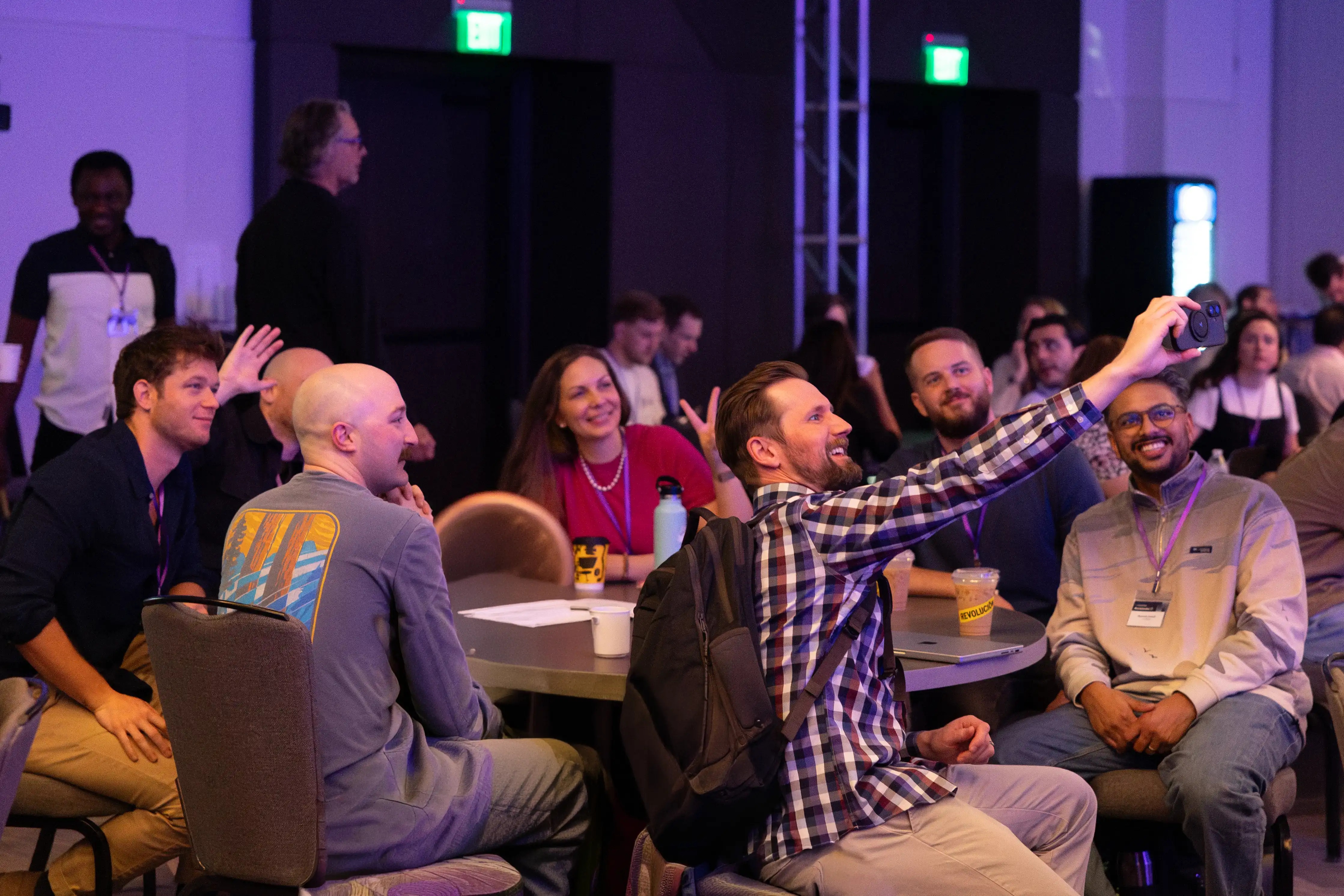
Its public culture commitments are unusually countable: full-time employees receive 16 volunteer hours a year, and March has a dedicated giving program. Care appears in both the employment pitch and the customer pitch. Whether that becomes useful service is something a buyer can test during a pilot.
The repository acquires a memory
There is a limit to simply publishing faster. A company may deliver the wrong material with magnificent efficiency. Contentstack’s acquisition of Lytics, completed in December 2024 and announced the following January, added customer profiles, audience insights and data activation. The strategic move was from managing what a brand says toward understanding who is listening.
In June 2026, Contentstack announced its Agentic Experience Platform and general availability of Agent OS. The arrangement joins content and brand governance, customer context and AI orchestration. The launch described Golfbreaks using a fact-checking agent to surface discrepancies in hotel information. A narrow, inspectable job makes a better demonstration than a promise to automate marketing.
TIME’s July partnership announcement offers another concrete application: editorial teams updating content while engineering builds audience features. The described changes included registration, games, newsletters and video experiences. Contentstack’s expertise sits at that junction, where the newsroom’s publishing rhythm has to coexist with a developer’s freedom to build.
A Canoe in the answer engine
On October 1, 2026, the company launched Canoe, a standalone tool tracking how AI engines describe brands. It works with public websites on other platforms. Its free plan covers ChatGPT and Gemini; Growth adds Perplexity and Claude at a limited-time launch price of $279 a month.
Canoe’s documentation supplies a useful restraint: compare the same questions and engines across several runs. A different test can produce a different score without proving that your brand improved. The sensible use is to inspect citations, identify a content gap and check whether a specific correction helps.
Start with one stubborn bottleneck
The core platform now lists Free, Build at $29 monthly, Growth at $299 and custom Enterprise pricing. Limits, overages and separately priced services matter. A subscription buys access; migration, integration and team training still belong in the budget.
A useful evaluation starts with one repetitive task. Model its content, assign an approval owner, connect the necessary tools and measure the elapsed time. For a small, single-channel site, that assembly work may cost more effort than it saves. For a team drowning in duplicated updates, the same exercise can expose exactly where freedom would pay.