A pound of cement is an unremarkable thing. Spread it across enough truckloads, however, and it becomes a management problem. At Murphy Concrete and Construction in Wisconsin, general manager Berlin Bolle saw the opportunity in shaving small quantities of unnecessary material from a large operation. Ten ready-mix plants, some separated by a three-hour drive, gave those small quantities plenty of room to multiply.
This is the world Command Alkon inhabits: an economy of gates, scales, delivery tickets and minutes. Its software helps producers make concrete, move aggregates, dispatch trucks and collect payment. The interesting part is how closely those activities depend on one another. A beautifully scheduled truck is little comfort when its load is wrong.
- Software and automation for materials producers, from batching to billing.
- Batch AI targets waste by adjusting material gate timings.
- The buying decision includes equipment, training and integration.
01Software that touches steel
Command Alkon sells technology to the businesses supplying construction. Its customers include single-plant operators and multinational producers of ready-mix concrete, asphalt, aggregates and manufactured concrete products. In August 2026, the company said its technology served more than 14,000 plants in over 80 countries. That figure covers its technology footprint, rather than adoption of any single cloud product.
Its roots go back to Command Data in Birmingham in 1976. Founder Kenneth G. Robinson II had previously worked at IBM; Command Data merged with Alkon in 2001. Today, Command Alkon is headquartered in Hilliard, Ohio. The long history matters because this software lives alongside machinery and working habits that customers cannot casually discard.
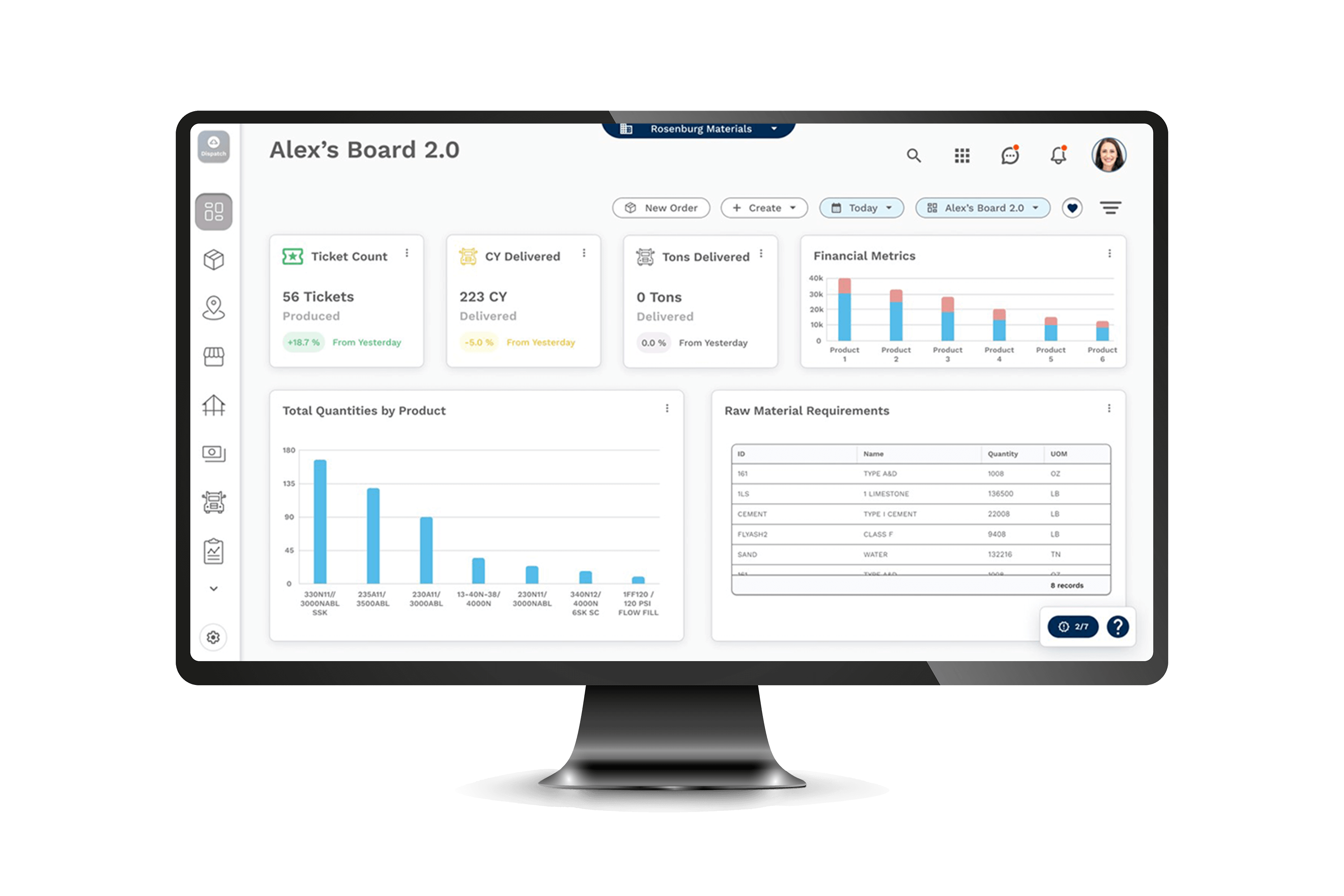
COMMANDbatch controls concrete production at the plant. Batch adds browser-based remote operation and visibility across locations. Dispatch handles orders and delivery scheduling; TrackIt supplies truck locations, driver activity and delivery status. Material Supply and Ticket Accounting address incoming materials and paperwork. Command Cloud brings these workflows into a shared operating environment.
Then there is Load Assurance, which uses a probe inside the mixer drum to monitor concrete properties during delivery. Slump, temperature and water additions become information that drivers, dispatchers and production teams can inspect. A truck location tells you where the load is. Measurements inside its drum help tell you what is arriving.
02The gate is where the money escapes
Batch AI addresses an unusually tangible problem for artificial intelligence: when should a material gate close? Plant conditions change. Equipment wears. Material flow varies. A setting that worked yesterday can leave a producer repeatedly dispensing more than the recipe requires. Batch AI reads plant data and adjusts gate timing to improve precision.
Murphy installed Marcotte Batch across its ready-mix plants in late 2023 and enabled the AI add-on. The case study describes roughly three months of learning before full activation. It reports cycles within tolerance increasing from 86% to 97%, with average cycle time falling by 45 seconds per load. Bolle estimated $100,000 in material savings across ten plants within six months of installation.
Those are customer results published by the vendor, rather than a promise about another plant. They nevertheless explain the appeal better than an abstract pitch about intelligence. A producer buys cement repeatedly. Improving a recurring decision can keep producing value after the novelty of the software has worn off.
Bolle recommended the system to other producers, with a territorial qualification.
More batches inside the lines.
03One load, several versions of the truth
The plant is only one place where a producer can lose control. An order changes, a truck waits, a delivery ticket reaches accounting late. Each department may be doing its job while the handoff between departments creates another delay. Command Alkon’s broader proposition is to make the same operational information available throughout that journey.
Dispatch sends order quantities and mix details to batching, receives production updates, and uses TrackIt’s fleet information to coordinate deliveries. Finished tickets carry pricing and delivery details toward invoicing. Customer Portal gives buyers access to order and ticket information. The practical gain is fewer occasions to telephone somebody who must telephone somebody else.
Cloud access alone does not distinguish the company. Sysdyne also offers connected batching, dispatch and delivery software for ready-mix producers. Command Alkon’s case rests on its established plant-control footprint and the breadth of its materials portfolio, including asphalt and aggregates. Buyers should compare the actual workflows, integrations and support their operation needs.
- 01Order
- 02Batch
- 03Deliver
- 04Invoice
One workflow. Fewer handoffs to chase.
04The bill includes changing habits
Command Alkon’s business combines software subscriptions with plant automation, implementation, training, support and advisory services. Its Dispatch offering describes a monthly or annual subscription. A serious buying decision therefore includes migration, connected equipment and staff time alongside the software bill. The useful financial question is the total cost of running the workflow.
There is a practical limit to remote batching: connectivity. Command Alkon says local COMMANDbatch control remains available when the internet connection is lost, while cloud access and remote capabilities are affected. A producer needs a local operating procedure as well as a cloud login. The distinction matters when a production schedule is already moving.
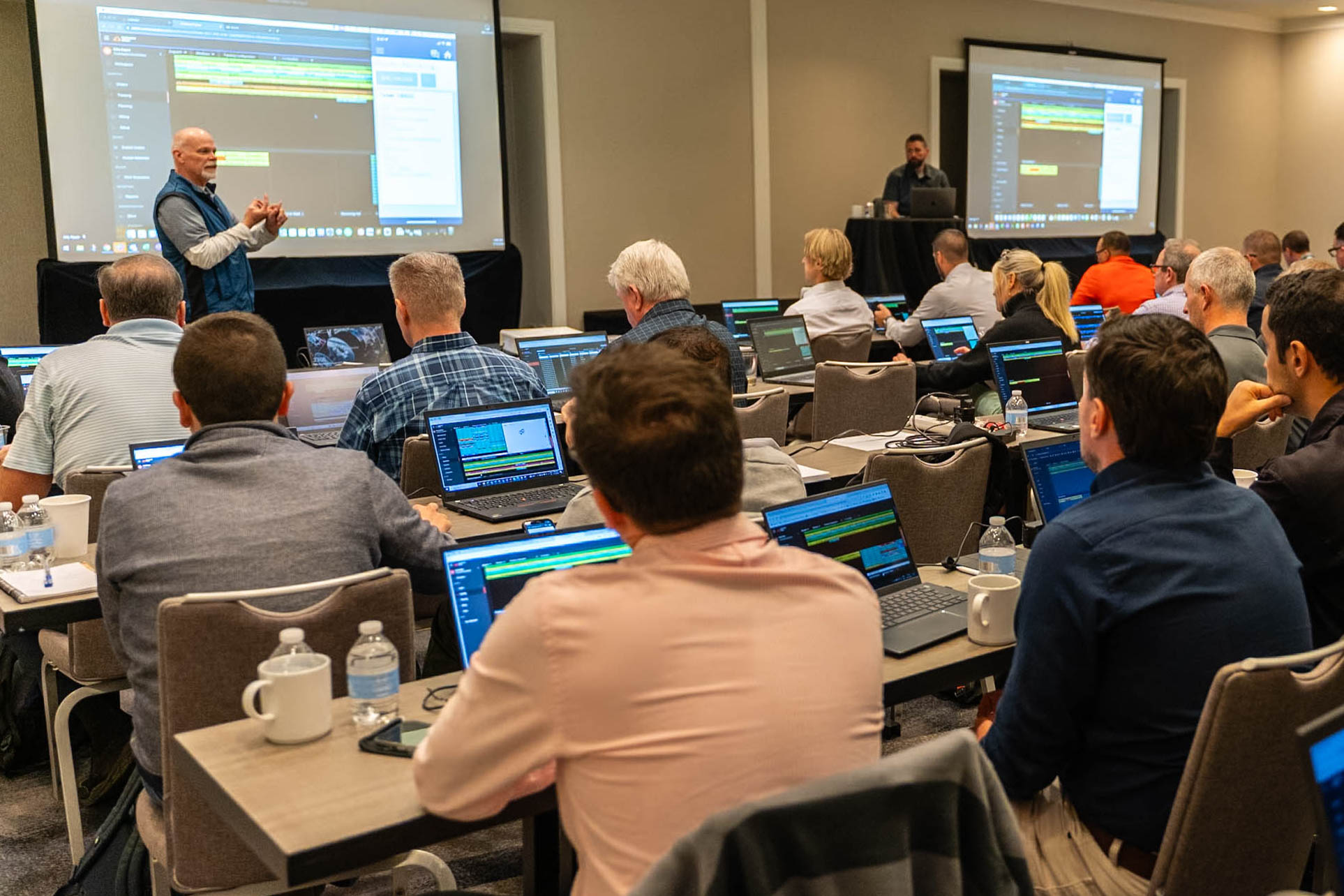
Training is part of the product’s usefulness. The company offers implementation services covering data migration and training, and its careers materials emphasize technical knowledge paired with materials-industry experience. Its stated values include integrity, employee growth, customer focus and collaboration. Those commitments become meaningful to customers when someone can explain both the software and the plant.
05Keep the equipment. Connect the operation.
The ownership story reflects that industrial connection. Thoma Bravo acquired Command Alkon in 2020. HeidelbergCement, now Heidelberg Materials, subsequently agreed to buy a 45% stake in 2021. By October 2026, TITAN’s announcement of its own minority investment identified Francisco Partners as majority owner. TITAN also said it planned to expand adoption across its operations.
On October 20, 2026, Command Alkon announced a partnership with Germany’s Gedis to connect the IBS33W batching system to Command Cloud. The agreement is designed to let producers retain existing panels, wiring and inputs and outputs. Batch AI support for Gedis systems was described as a future release. Modernization becomes easier to contemplate when functioning equipment can stay.
There is a useful lesson here for people who will never buy concrete software. Pick a repeated decision. Measure its errors. Connect that measurement to an action someone can change, then allow time for the new process to settle. At a batch plant, that action may be closing a gate a fraction earlier. The savings travel out one truck at a time.
“as long as they are not within our radius.”
Berlin Bolle / on recommending Batch AI to other producers
See the operation
Website · Batch AI · Dispatch · Murphy story · News & demos
LinkedIn · X · Instagram · Facebook · YouTube videos