A security guard can only use the app on the phone he has. It sounds obvious. For Amitabh Roy, the founder of Codelogicx, it was a practical obstacle: an early idea for monitoring security guards stalled because smartphones had not spread far enough. According to Startup Pedia’s account, cheaper mobile connectivity later helped revive the idea. The360, a housing society management app, launched in November 2018. The software had needed the world around it to catch up.
- Codelogicx builds custom software for startups and established businesses.
- Its own products tackle workforce coordination, field operations and community management.
- The recurring lesson: check the workflow, the users and their equipment before writing more code.
That small episode helps explain a company whose menu can otherwise look bewilderingly broad. Web applications. Cloud infrastructure. Machine learning. Software rescue. Codelogicx works where a business process needs an engineering team, then sometimes turns a familiar process into a product other businesses can buy.
A service business with a product habit
Roy established the company in 2013. Its headquarters are in Kolkata, with an East Brunswick operation and offices listed in Britain and Saudi Arabia. His original proposition was practical: give businesses access to engineering skills they could not easily assemble themselves. Clients could bring an idea, an existing application or an overstretched development team.
The commercial distinction matters. A custom engagement buys work shaped around one customer’s requirements. A subscription product spreads development across customers with similar needs. Codelogicx does both. Its services include product engineering, staff augmentation and maintenance; its product shelf now includes TeamTrace, FieldTrace, ServiceStation and The360.
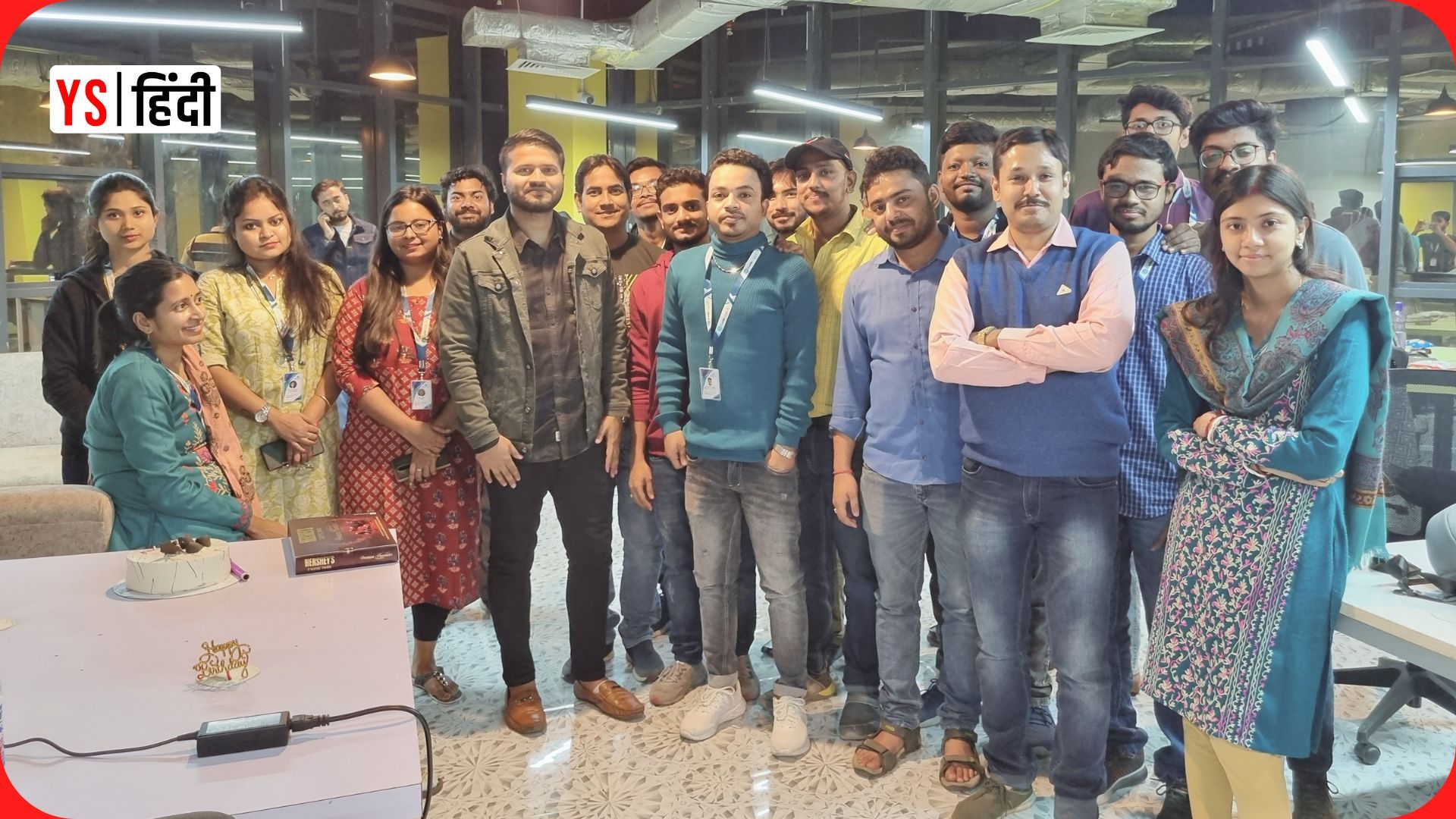
Roy told YourStory in August 2026 that he started with about INR 32 lakh of personal savings and had raised no outside investment. The company reported FY2025 revenue of INR 14.5 crore. Those figures give the product push a financial context: a bootstrapped engineering business is trying to add revenue that can repeat without commissioning every application from scratch.
This puts it among engineering partners rather than in a single software category. A founder comparing vendors might also consider hiring internally or commissioning another development firm. Someone evaluating TeamTrace, meanwhile, is choosing between ready-made tools. The same company can enter two very different purchasing conversations.
The work is in the handoffs
Consider MdGOmnia, a cold-chain logistics platform described in Codelogicx’s portfolio. A shipment’s location is only part of the problem. Temperature, humidity and handling conditions also need to reach the people responsible for the goods. Codelogicx built a customer portal that combines tracking information and supports different device suppliers.
The interesting detail is device independence. A logistics operation cannot become coherent if every sensor requires a separate operational universe. The published architecture combines APIs, cloud services and modular components. The company also describes a PDF-to-text utility built for shipment documents. Even a sophisticated tracking system has paperwork.
An editorial diagram of the MdGOmnia workflow, not a performance measurement.
Rimsys supplies another example. Medical-device regulatory teams need registrations, certificates and submission records to remain connected across markets. Codelogicx describes engineering a centralized platform with role-based access, automated workflows and region-specific requirements. The aim is to replace scattered records with a shared system people can actually maintain.
These projects make its expertise easier to understand than a list of programming languages does. The common job is coordinating information across teams and systems. The technical work includes application interfaces, databases, cloud infrastructure and testing. The buyer’s problem is usually expressed in less technical language: people cannot see what they need when they need it.
Then the customer was Codelogicx
TeamTrace follows the same logic inward. Reporting on its origins describes gaps in the tools Codelogicx used to manage work, made more pressing by pandemic-era coordination. Launched in October 2023, the product brings projects, time tracking, workforce allocation and activity monitoring together.
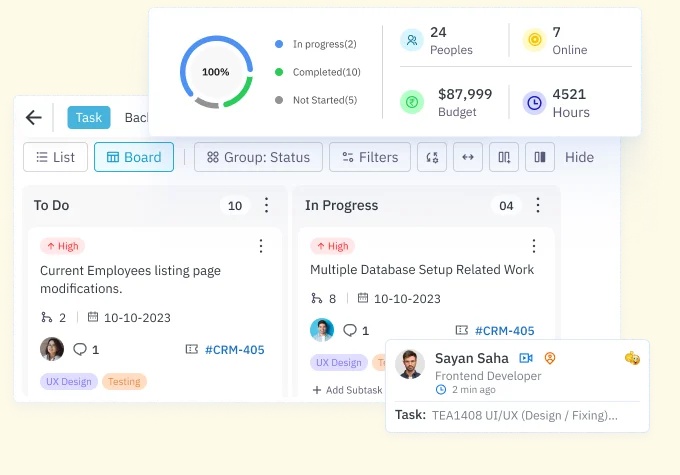
That combination is its positioning. Jira or Asana can enter the conversation around project planning; Hubstaff and Time Doctor around time and activity tracking. TeamTrace’s pitch joins those concerns. Its features include screenshots and application tracking, so choosing it also means deciding how much employee monitoring belongs in everyday management.
For a buyer, that is a concrete tradeoff. A unified dashboard can reduce the effort of reconciling tools. It can also bring oversight into places where teams expect autonomy. A company adopting it should agree on what gets measured, who sees it and how those records relate to actual delivery. Activity data alone cannot settle whether the work was useful.
“The team is highly responsive and adjusts to US business hours.”
Claudia Bernard, Protection Plus Solutions
Client testimonial published by Codelogicx
Two prices, two different promises
Historical client accounts summarized by The Manifest offer a glimpse of the service economics. TagFi’s mobile application work was reported at about $60,000. Medzino’s engagement, covering custom medical-record applications and related website systems, had reached approximately $100,000 at the time of review. Those were different scopes, both described as ongoing.
Reported spending at the time of each account. Neither figure is a current quote or a final project total.
TeamTrace uses subscription plans instead. Its pricing page offers a seven-day trial and says teams below 20 users need annual plans. The comparison is useful: commissioning a system and subscribing to one create different obligations. Buyers should first decide how much of their workflow needs to be unique.
Copy the diagnosis
Codelogicx’s software rescue service makes the method explicit: diagnose the application, restore stability, then optimize and modernize. That sequence is useful beyond troubled code. Find the constraint before adding capability. For a shipment platform, it may be disconnected devices; for a housing app, it was access to smartphones.
The approach needs conditions to hold. Users must have the equipment, teams must agree on the process, and the problem must recur often enough to justify software. An internal workaround becomes a promising product only when other customers recognize the same frustration. Codelogicx’s most interesting experiment is finding out which of its familiar problems travel.