At Peninsula Bay Trust Company, the software was already installed. That was the interesting problem. The growing firm had put Cheetah in place in 2024, then concentrated on keeping daily operations running. When Nikki Sloan arrived as chief operations officer in March 2025, she wanted to know what else it could do. A working system, it turned out, could still contain a considerable amount of unused possibility.
- The job: trust accounting, investments, onboarding, and reporting in a connected platform.
- The buyer: banks, trust companies, and wealth management institutions.
- The lesson: capacity comes from changing how people work with the software.
Cheetah’s business lives inside that gap between owning a tool and putting it to work. Its customers promise families personal attention while processing transactions, preparing reports, and keeping records straight. Every repeated administrative task competes with a conversation. Cheetah’s proposition is to give some of that time back.
The company named after its answer
The family history begins in Indiana in 1987, when Ray and Carol Unger started Accutech Systems Corporation. Cheetah, the software, arrived in 2013. Ten years later, Accutech Systems LLC became Cheetah Inc., while remaining part of the Accutech family. The chronology matters: an established business adopted its product’s identity.
“People knew us for Cheetah and now they will know us as Cheetah.”
John Watts · 2023 rebrand announcement
By that announcement, the platform served hundreds of banks and wealth management companies nationwide. Today its scope includes trust accounts, investments, trades, settlements, fee collection, asset pricing, and tax reporting. Digital account opening organizes applications and approvals; client access tools let customers inspect their information. The recurring theme is less movement between disconnected tasks.
The arithmetic of attention
Consider IconTrust, a Nevada trust company that opened in fall 2020. Its original plan called for 130 new accounts a year. A July 2024 Cheetah case study reported around 400 annually, 1,300 accounts overall, and more than $3 billion in assets. Those are historical customer figures, rather than a current tally or a forecast.
IconTrust combined technology with outsourcing and relationships with referring attorneys. It valued Cheetah’s cloud architecture, integrations, and flexibility over account structures. That combination matters. An efficient operations platform helps a firm handle incoming business; a referral network helps bring the business in. Confusing the two would make the growth story easier to tell and harder to use.
The economics become clearer in a homepage testimonial from co-founder Brian Simmons. He says avoiding dedicated hardware and server spending allowed IconTrust to invest in personnel, contributing to profitability within two years. Central National Bank’s Amy Barber describes another outcome: automation made a contemplated additional operations hire unnecessary. These accounts describe different choices about staffing. Neither establishes a universal savings figure.
Cheetah sells business software alongside professional services and optional outsourced operations. Buyers enter through consultation and demonstration. For an institution assessing the investment, the meaningful calculation includes implementation, training, integrations, and the work it intends to outsource, alongside the software contract.
The software was already there
Peninsula Bay supplies the less tidy, more useful example. At The Hunt, Cheetah’s client conference, Sloan attended hands-on training and compared notes with 15 to 18 standalone trust companies. She discovered workflows and account-review functions that peers were already using.
“I could see the system in action and realized how much more we could be doing with it.”
Nikki Sloan · Peninsula Bay Trust Company
The firm began using built-in administrative account reviews, reducing documentation outside the system. It also adopted business process outsourcing and sequenced further improvements. The first weakness was incomplete adoption. Seeing comparable firms use the tools changed the plan. The copyable move is wonderfully ordinary: ask people doing your job how they do it.
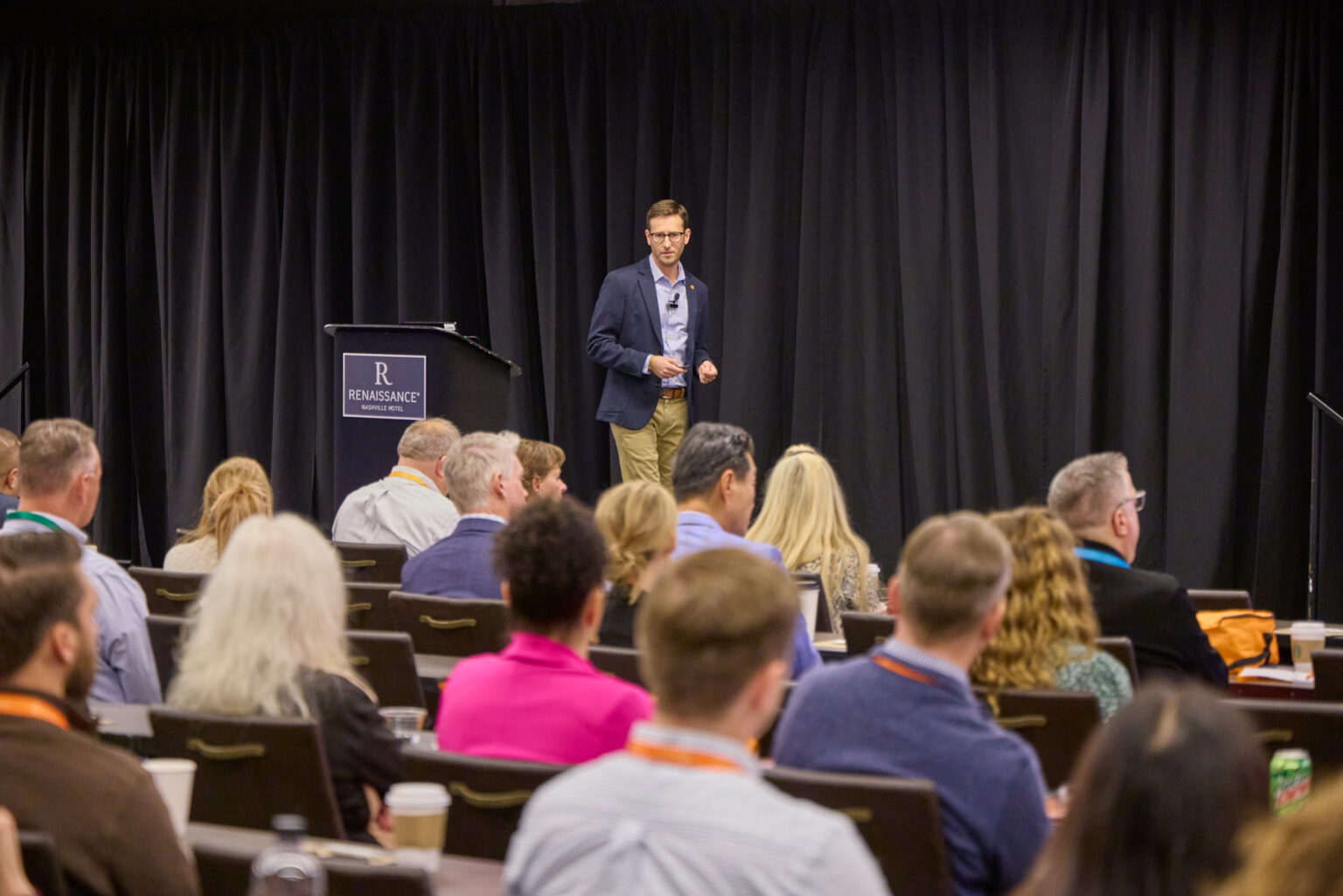
Cheetah has made this kind of investigation a service. Its utilization study sends a consultant to observe a client’s team for three days, offer practical recommendations, and produce a written report. Its careers page describes service through examples as modest as helping a stranger change a tire. Here, that philosophy takes the form of watching someone navigate a workday.
A platform with open doors
Cheetah also sells capacity beyond the screen. Its outsourcing team handles work including cash processing, disbursements, statements, trade settlement, and daily reconciliation. The process starts with standardizing procedures and assigning responsibilities. Institutions still need to decide who owns each task and how exceptions move between teams.
The platform’s API library connects other systems and reduces duplicate entry. Moneytree, a sister business, powers its financial planning offering. In April 2026, Cheetah announced an Orion integration linking trust administration with portfolio management and trading. Its market position is increasingly about connecting fiduciary operations with a broader investment relationship.
There are capable alternatives. FIS offers several trust accounting platforms; SS&C’s Black Diamond Trust and Retirement Services also supports specialized fiduciary accounting. Browser access and integrations appear across the market. Cheetah’s more persuasive argument rests on the particular mix of software, operational help, and training an institution can actually use.

Give the minutes back
The latest product direction extends that logic. Cheetah’s AI offering extracts information from trust documents with links back to the relevant passages, and helps users build reporting queries in ordinary language. Users review and edit the outputs. Judgment remains with the team.
Its 2025 retrospective describes a redesigned client portal and workflow improvements shaped by customer feedback. The details are decidedly practical: fee corrections, account transfers, reporting, fewer manual steps. They reveal where the friction accumulates.
The Peninsula Bay experience supplies the condition underneath the promise. Software needs time, training, and changed habits before unused capability becomes working capacity. For a trust company, the reward is concrete: an account review completed inside the system, a report prepared with fewer detours, a professional available when a family calls.