Megan Eger had tried college twice. In Campus’s account of her graduation, the trouble was painfully ordinary: classes that did not fit her schedule, a community she did not feel part of, and ambition slowly losing its appointment with reality. Then she drove past a university during graduation season. The caps and gowns made finishing seem possible again. She enrolled at Campus and eventually graduated with a 4.0.
- Live online associate degrees, with career training in Sacramento.
- Personal coaches and tutoring are part of the offering.
- Online degree tuition: $7,320 per academic year; aid depends on eligibility.
- Transfer pathways and career skills give students somewhere to go next.
One graduate’s experience cannot establish that a college works. It can, however, tell us what the college thinks the problem is. Campus is built around the distance between enrolling and completing. The lecture is only one obstacle. A student also needs time, equipment, confidence and somebody who notices when progress stops.
01 / The degree came with an institution
Founder and chancellor Tade Oyerinde had already built Campuswire, software for teaching and learning. His next move was more peculiar than releasing another app: he bought a college. Campus acquired Sacramento’s MTI College in July 2022, retaining Michael Zimmerman as president. The institution dated to 1965. The technology company’s roots were much younger.
This mattered because a college is a collection of obligations as well as classes. Accreditation, academic governance and student records cannot be downloaded with the next software update. The acquisition supplied an operating institution. Campus is accredited by the Accrediting Commission for Community and Junior Colleges; the transaction had its approval.
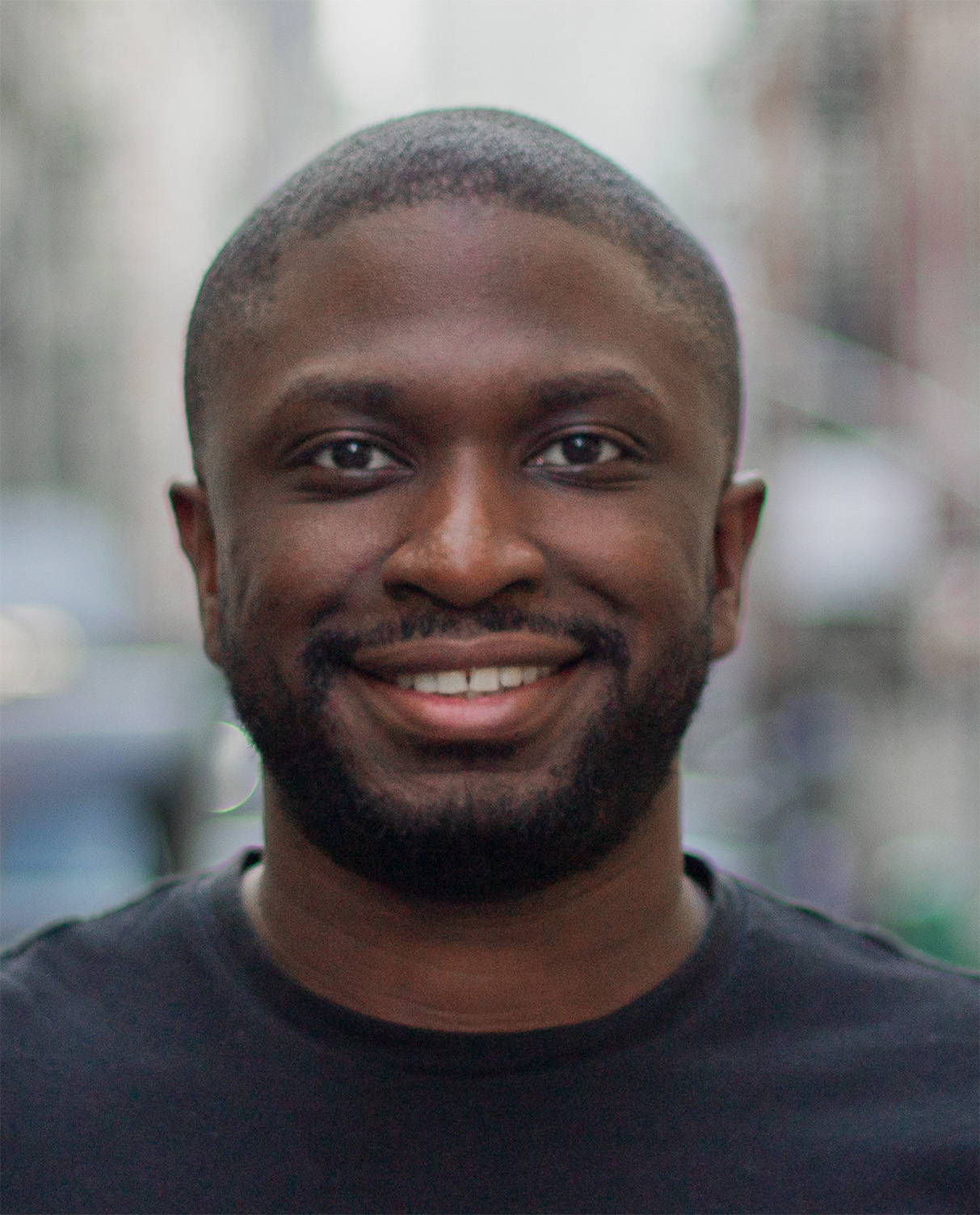
Campus now offers online associate degrees in business administration, information technology, healthcare administration and paralegal studies. Its Sacramento operation also provides practical career training, including barbering, cosmetology, medical assisting and phlebotomy. These are different routes with different delivery requirements. Nobody learns to draw blood merely by admiring a webcam.
The online proposition is narrower than a university’s vast catalogue: a two-year credential, useful skills and the possibility of transferring. Professors also teach at institutions such as UCLA, NYU and Howard. Their presence lends familiarity to an unfamiliar college, although a Campus degree remains a Campus degree.
02 / The price of staying
Online degree tuition is currently $7,320 per academic year. A quarter carrying seven to twelve credits costs $2,440. Qualifying financial aid may cover tuition, but the aid award is individual. Changing a course load can change the award. An affordable sticker price is helpful; knowing the actual bill is better.
Campus’s operating idea is that support has an economic return. A student who remains enrolled continues paying tuition; a student who leaves does not. Coaching costs money, but so does losing the student. Oyerinde explained that connection in a 2024 Rapid Response interview: stronger persistence increases revenue per student, allowing more investment in services.
That leaves a demanding balancing act. Live teaching and individual attention have real staffing costs. Private investment supplies money to build the system: Campus announced $29 million in funding in 2023 and a $46 million Series B led by General Catalyst in March 2025. The latter announcement put total funding above $100 million.
The company is a for-profit college, a fact worth keeping in view. Revenue retained through better student progress can align interests. It does not automatically settle questions about academic quality or whether growth will stretch support too thin. Completion, credit acceptance and students’ next steps are the measures that matter.
03 / Borrow the support, earn the result
The intellectual ancestor here is CUNY’s Accelerated Study in Associate Programs, known as ASAP. In MDRC’s randomized evaluation, 40 percent of the program group earned degrees within three years, compared with 22 percent of the comparison group. The package combined advising, financial assistance, tutoring and structured expectations.
Campus borrows the principle that barriers arrive together and deserve a coordinated response. Students receive a personal success coach and access to math and writing tutoring around the clock. Eligible online degree students who demonstrate need may receive a laptop and mobile Wi-Fi. The attention is part of the educational design.
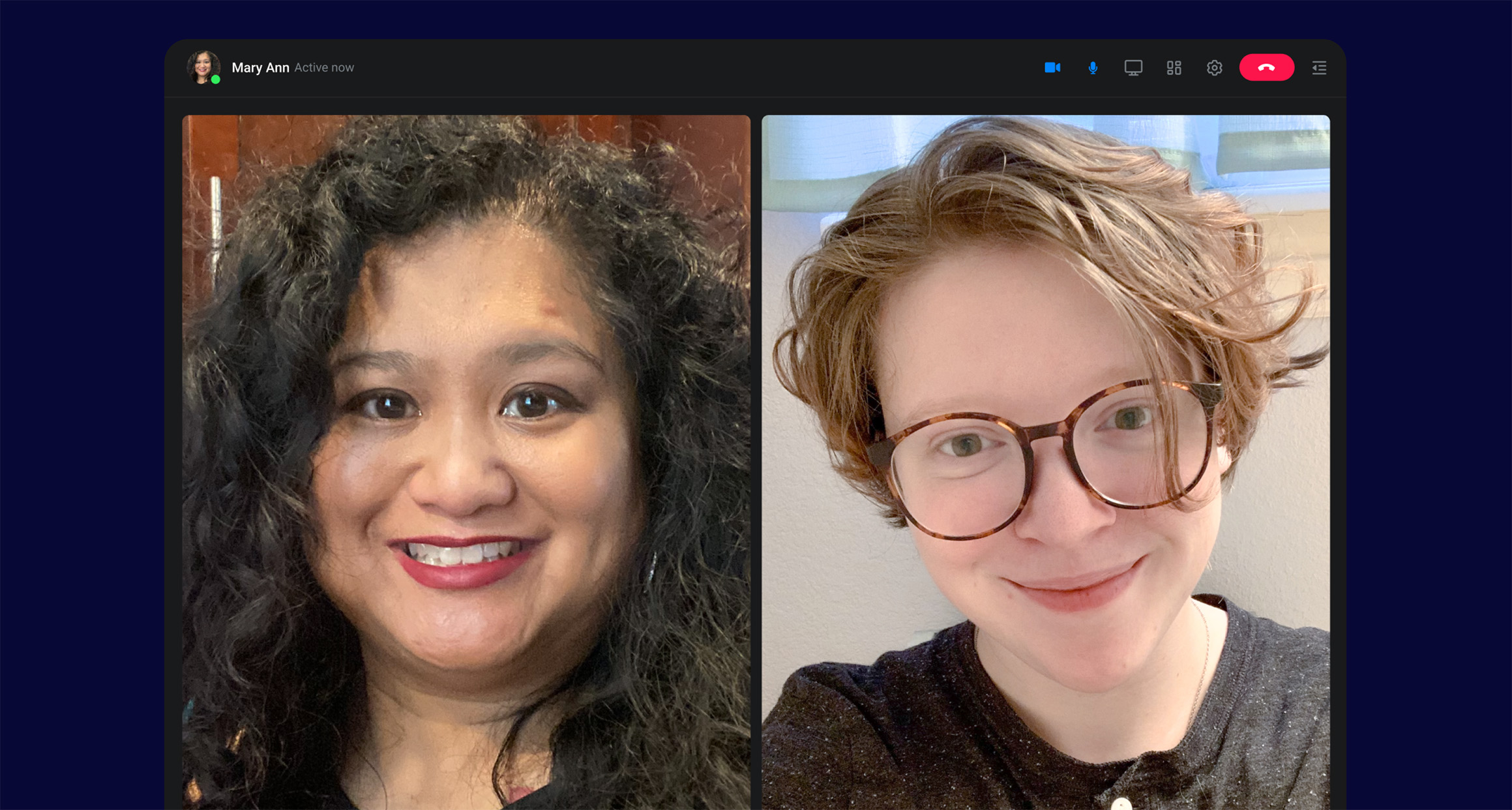
There is a lesson other organizations can copy: identify the points where people disappear, then budget for helping them continue. Bundle assistance so that seeking help does not become another complicated assignment. But borrowing a tested idea does not transfer its results. Campus must demonstrate its own outcomes as enrollment grows.
“Just go on YouTube if you just want an asynchronous experience.”
Tade Oyerinde · Rapid Response, 2024
04 / An AI tutor still needs a college
The newer chapter involves Sizzle AI. In a March 2026 engineering account, Jeshua Bratman described a personalized learning product that worked but struggled to scale fast enough. Campus acquired it. The attraction is understandable: the college brings learners, courses and a setting in which a learning tool can be used repeatedly.
Campus is also changing what students learn. In July 2026, it expanded a six-course Applied AI Concentration into business, IT and healthcare administration degrees. September’s online paralegal launch added training in checking AI-assisted work, alongside legal research, writing and procedure. Verification is a practical skill when an impressive-looking answer may be wrong.
05 / Choose the destination early
For students seeking a bachelor’s degree, Campus maintains a transfer network that includes Arizona State and Butler. The useful part is making requirements visible before graduation. Receiving institutions still decide admission and credit acceptance; guarantees depend on conditions. A transfer plan deserves attention before a student pays for courses that may not count.
Campus fits someone who wants remote access with scheduled human interaction. It requires time for live classes and follow-through between them. Public community colleges may offer a better local price or a programme Campus lacks. The choice is personal. The interesting wager is institutional: spend enough on helping people finish that starting becomes a more credible promise.