Imagine a person calling a bank to check whether a payment has gone through. They are holding a smartphone, but the bank asks them to navigate a voice menu. The machine speaks; the person listens; somewhere in a distant building, agents wait for calls that a screen could have resolved in less time than the hold music takes to introduce itself. This small absurdity is the territory Callvu chose to work in.
The short version
- Callvu builds digital workflows for tasks that begin in a call center, chatbot, website or app.
- Its original visual IVR sends callers a secure link to a mobile task, with an agent available when needed.
- An anonymous bank case study reports 36% fewer calls and more than $3 million saved in a year.
- The company’s newer pitch is about controlled, auditable completion when AI starts a regulated task.
A voice menu meets a screen
The first idea was wonderfully literal. If a customer already has a screen in hand, why make that customer perform a screen-shaped task by voice? Callvu’s visual IVR offers a digital route from the phone tree. A caller can choose it, receive an SMS link, and open a mobile page to pay a bill, inspect account information or complete a form. No app download is required in the bank example. The customer can still reach a human when the problem calls for one.
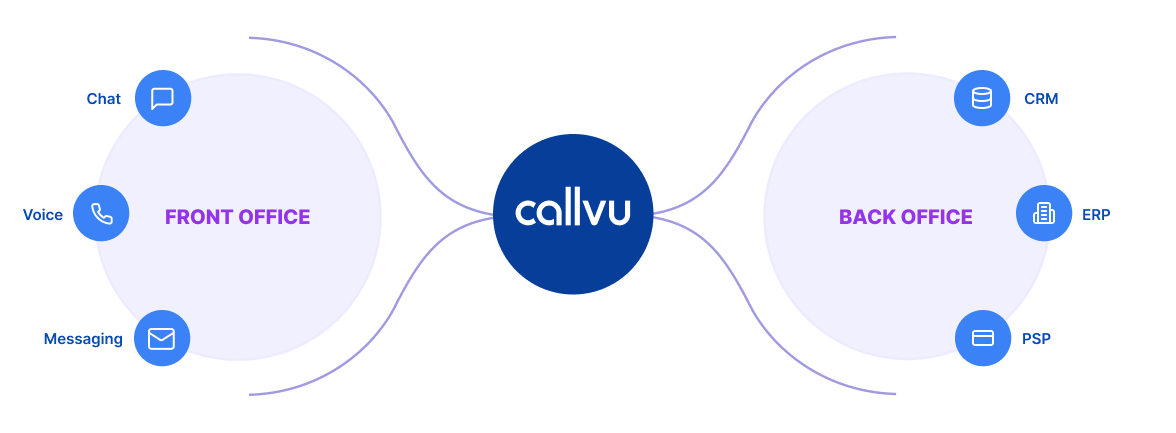
That is a different job from making a prettier phone menu. The useful unit is the completed request: authenticated, filled in, paid, signed or routed. Callvu’s software lets an enterprise design those small experiences and connect them to its existing CRM, payment, contact-center and service systems. Its low-code Studio supplies a builder, templates and integrations; agent collaboration lets a representative help someone through a form or shared content when self-service stalls.
The bank that found the exit
Callvu’s most concrete public example is an unnamed regional bank. Rising support costs, COVID-era pressure and staff attrition had stretched its contact center. Satisfaction fell as waits grew and newer agents took longer. The bank wanted common requests to finish without a queue, but it also wanted customers to retain a route to a person. That distinction matters. A forced escape hatch usually feels like another locked door.
The implementation was specific. Callvu built branded mobile workflows for common inquiries, placed those choices in the bank’s IVR, and sent opted-in callers SMS links. The links opened secure web pages. The bank’s case study says the experiences took less than two minutes on average. Early adoption reduced contact-center volume by more than 15% in the first quarter; the reported reduction later reached 36%. The bank then put the same links on its website and portal, and expanded the set of automated tasks.
Figures come from Callvu’s published, anonymous regional-bank case study. They describe that deployment, not a typical customer result.
What did it cost? The bank’s implementation price is not disclosed. Callvu does publish one useful commercial clue for its Webex Visual IVR integration: pricing is volume-based, charged for calls successfully diverted. That aligns the bill with the contact center’s aim, though the price per diversion and terms for the broader platform are private. Callvu says the bank finished its project two months ahead of target and restored satisfaction scores to earlier levels. Those claims are useful evidence of one rollout, with the usual limits of a vendor-authored case study.
The phone call was never the product. The finished task was.
When the form learned to talk
Callvu was founded in 2012 by Ori Faran, Doron Rotsztein and Roee Halfon. Its early work earned attention for visual IVR, including a 2016 Gartner Cool Vendor designation that Callvu cites. It raised $3 million that year from a group led by Liberty Global Ventures and NICE, then an $8 million Series B in 2021 led by NAventures and Prytek, with Liberty Global Ventures participating. By then, the company was talking less about a single call-center feature and more about building customer journeys across websites, apps, chat, IVR, agents and even in-store channels.

A Callvu executive made the design argument neatly in 2017: “Voice is a great interface for a customer to express intent, but getting information such as your bill or statement, or performing transactions are easier in a visual interface.” The statement came during a demonstration with Microsoft, Amdocs and Beyond Verbal. It remains a good description of why the original product made sense. People can say what they want; a screen can help them inspect the details and do it.
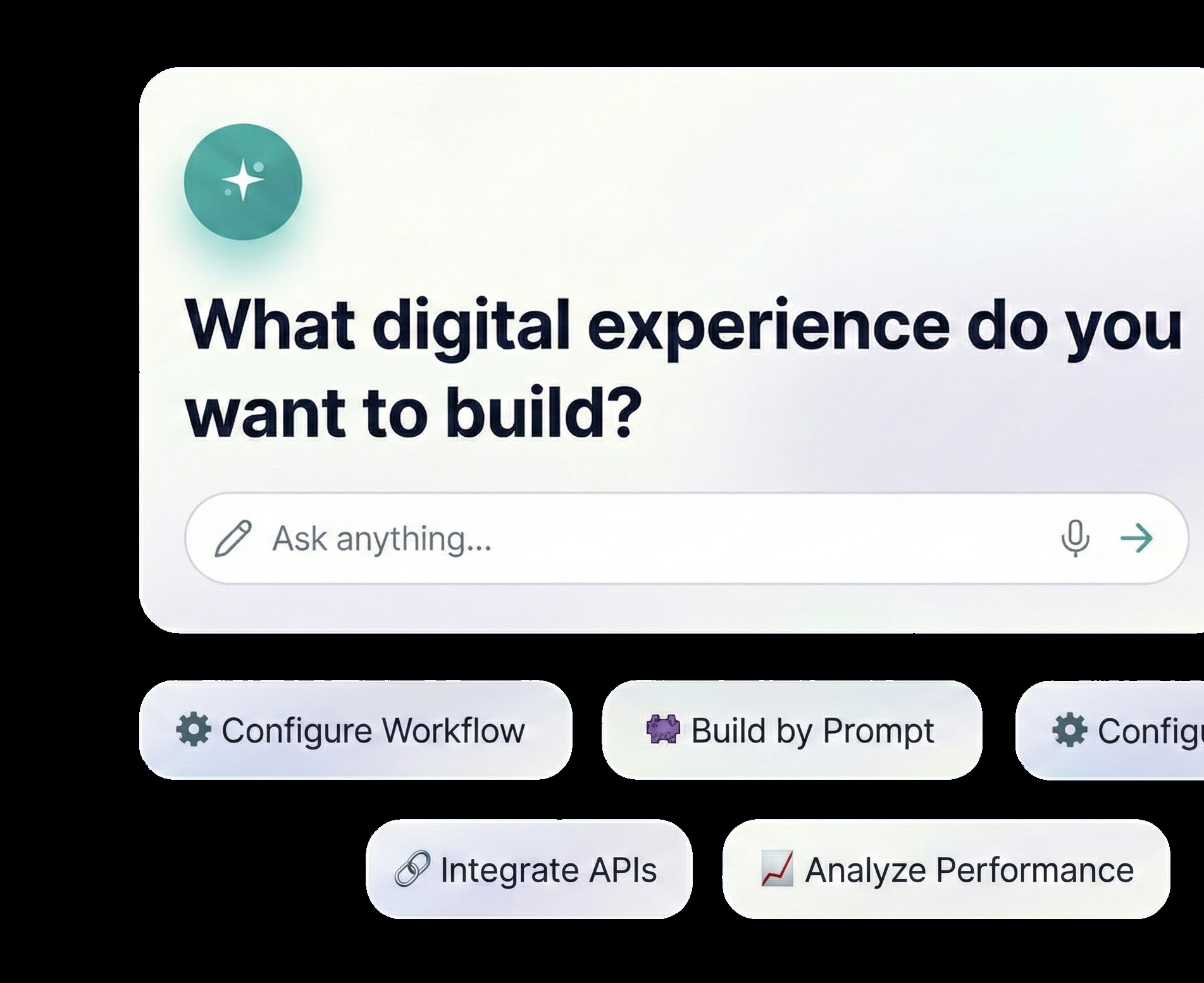
The newer problem arrived with AI assistants. A bot may understand a request and converse gracefully, yet a payment, identity check, claim or account opening still has steps that cannot be improvised. Required disclosures must appear. Consent must be captured. Data must be checked. The correct system must record what happened. Callvu now describes its product as a completion and compliance layer: the conversation can identify the intent, while a configured workflow controls the actual execution and leaves an audit trail. That is the company’s positioning and architecture claim, not a guarantee that every implementation succeeds.
The unglamorous advantage
Callvu’s customers are enterprises with lots of recurring service requests. The company names National Bank of Canada, Bank Leumi, Banca Transilvania and the Israeli Ministry of Health; its Webex page also cites AT&T, Aflac, Dish, DirecTV and Visa. The common thread is volume plus consequence. A telecom plan change should be quick; an insurance claim or bank payment must also be right. Callvu sells to the organizations that own those journeys, not directly to the person tapping the link.
There are plenty of alternatives: a contact-center suite’s native self-service tool, a custom portal, a workflow platform, or another visual IVR vendor. Callvu’s case rests on stitching the existing channels together without making every service request a new software project. Partnerships with NICE, Webex by Cisco and ArenaCX have helped it enter the environments where the calls already happen. None of this eliminates integration work. It makes the work more reusable if the enterprise has clear processes and systems that can accept the result.
The first thing that often fails is not the conversation. It is the handoff from a plausible answer to a finished action. A link can lower call volume only when the task behind it is simple enough to complete and trustworthy enough to use. An AI assistant can shorten the front of a journey while leaving the back of it tangled. Callvu’s response has been to keep moving toward that back end, where forms, checks, signatures and records decide whether a customer’s problem is actually over.
There is a lesson here that any service team can copy before buying a platform. Pick one repetitive, bounded request. Count how many callers need it, how many reach a valid finish, and where they abandon it. Offer a short visual route, keep human help close, and measure completion rather than mere deflection. The model is less useful for unusual disputes, emotionally charged decisions or broken back-office systems that cannot accept a clean handoff. In those cases, a faster front door only gets the customer to the same wall sooner.
The remarkable thing about the bank example is its modesty. A text arrives. A form opens. A balance is checked or a payment is made. It lacks the theater of an AI demo, but it has the courtesy of ending. Callvu has spent more than a decade turning that courtesy into software. Its next test is whether the same discipline can survive a world in which the first voice on the line may be an AI agent.