A founder told BUBA that Samsung had wanted to collaborate. The company was too big, the founder decided, so the conversations stopped. Then came a request to BUBA for free office space. Cem Ener, then director of the angel network, recounted the response in a 2015 column: if the project was too big for Samsung, it was too big for them, too. Request declined.
It is a wonderfully awkward introduction to a business usually described in the softer language of mentorship and support. BUBA Ventures connects entrepreneurs with investors, but the connection comes after a test of judgment. Knowing whom to approach matters. So does recognizing an opportunity when one of the world’s electronics companies takes your call.
That exchange captures the useful tension inside BUBA. It offers founders access to people, expertise and capital while asking whether they can put those resources to work. Its history stretches from university alumni and software startups to a bank accelerator, a venture fund partnership and agricultural technology. The common concern is how a promising project becomes a functioning business.
The alumni network leaves campus
BUBA emerged from BÜMED, the Boğaziçi University alumni association. Its company profile lists 2013 as its founding year; contemporary accounts date the angel network’s launch to 2014. Timuçin Bilgör is identified as its founder in public biographies. Cem Ener, the author of those pointed columns, is also identified as a co-founder by BBVA.
The university connection supplied more than a recognizable name. Alumni could bring commercial experience, potential introductions and access to academic expertise. A 2017 study of Turkish angel networks highlighted BUBA’s proximity to academics, laboratories and research centres, alongside its accelerator and consultancy activities. For a founder trying to commercialize research, those are different doors worth opening.

BUBA’s own description calls it a “micro ecosystem.” Its mission includes educating investors and encouraging them to exchange experience, as well as connecting them with entrepreneurs. That makes the investor a participant who may need support, too. A promising business plan is only one side of an angel transaction; someone must also understand what they are buying into.
The early activity was substantial enough to make the model visible. BÜMED’s 2014 annual report, which includes developments into early 2015, described nearly 1,000 applications across its programmes over the preceding year. It recorded three directly financed ventures and seven incubation graduates. Interest, incubation and investment were already separate categories.
£150,000, with a detail worth reading
One early investment supplies a concrete example. In January 2015, BUBA’s backing of Segmentify was reported at £150,000, then approximately TL530,000. The package combined cash and in-kind contributions. For anyone reading an investment announcement as a bank balance, that qualification deserves a circle in red pencil.
Reported investment package
Segmentify was developing data-driven services for online retailers, including visitor analytics and personalized offers. Bilgör’s stated interest was in ventures with international growth ambitions. The investment was intended to help the business strengthen its domestic position and expand abroad. This was an early wager on a commercial use for customer data.
Segmentify’s subsequent history includes the Startupbootcamp accelerator, backing from ACT Venture Partners and Esor, and overseas offices. In June 2026, Unifonic announced its acquisition of the company, adding personalization and behavioural intelligence to its customer engagement offering. BUBA was one contributor near the beginning of a much longer journey.
BUBA’s profile identifies Segmentify as an investment and exit. It separately names Twentify, Pisano and Poltio as incubation highlights. Those words matter: being incubated describes a support relationship, while investment describes capital ownership. Readers assessing a venture firm should pay attention to the verb attached to each portfolio name.
A bank brings a different address book
BUBA expanded the support side through corporate partnerships. FikirÇarkı launched with Vodafone in November 2014. GarantiPartners followed with Garanti Bank in February 2015, pairing the bank’s reach with BUBA’s entrepreneurial experience. The programme addressed early-stage businesses as well as SMEs and ventures already growing.
The launch offer was unusually practical. Services ran from research and development to product testing, feedback, marketing and mentorship. Accepted early-stage ventures could use specified banking services free for a year during incubation. Growing businesses had a separate route, with operational and strategic marketing support. Founders outside Istanbul could participate through video conferences.
For eligible incorporated businesses with approved plans, the original package also included loans up to TL50,000 over 24 months, with the bank covering half the interest. These were launch-era terms. They show the design: match different business problems to different forms of assistance, including credit where appropriate, instead of treating every request as an equity pitch.
This is where BUBA fits among Turkey’s angel networks, accelerators and venture investors. Its university origins and corporate programmes offered multiple kinds of access. Other networks, including BIC Angel Investments and Keiretsu Forum Türkiye, also combined money with expertise. BUBA’s distinction lies in the particular institutions it assembled around founders.
From nine investments to a wider remit
A 2016 snapshot recorded 67 investors in BUBA’s network, nine invested companies and aggregate investment of TL2.5 million. Named companies included Segmentify, NetworkDry, Whispto and Wellness Türkiye. Those figures describe an early chapter, with capital spread across a modest group of ventures rather than one headline-grabbing transaction.
Historical network snapshot reported in 2016.
By 2018, coverage described a broader organization: the Bosphorist technology fund partnership with İstanbul Portföy, Boğaziçi Counseling for Business, and TreeT, an agriculture and technology venture. BCB drew on university academics and alumni consultants. The fund relationship added a professional investment-management partner to BUBA’s venture-selection and support experience.
Public commentary from BUBA’s Neda Soydan described the labour behind that expansion: selecting ventures, arranging expert committees, mentoring entrepreneurs and following their performance after investment. The business had accumulated experience through its accelerator programmes and was applying it to fund operations. More organizations around the table meant more work coordinating them.
Economically, BUBA’s history includes equity investing, advisory activities and programme partnerships. Founders receive different things through each relationship; investors seek exposure to company growth. The practical question is which service is being offered, by which organization, and on what terms. A mentor introduction, a loan and an equity investment produce very different obligations.
Then there were the olive trees
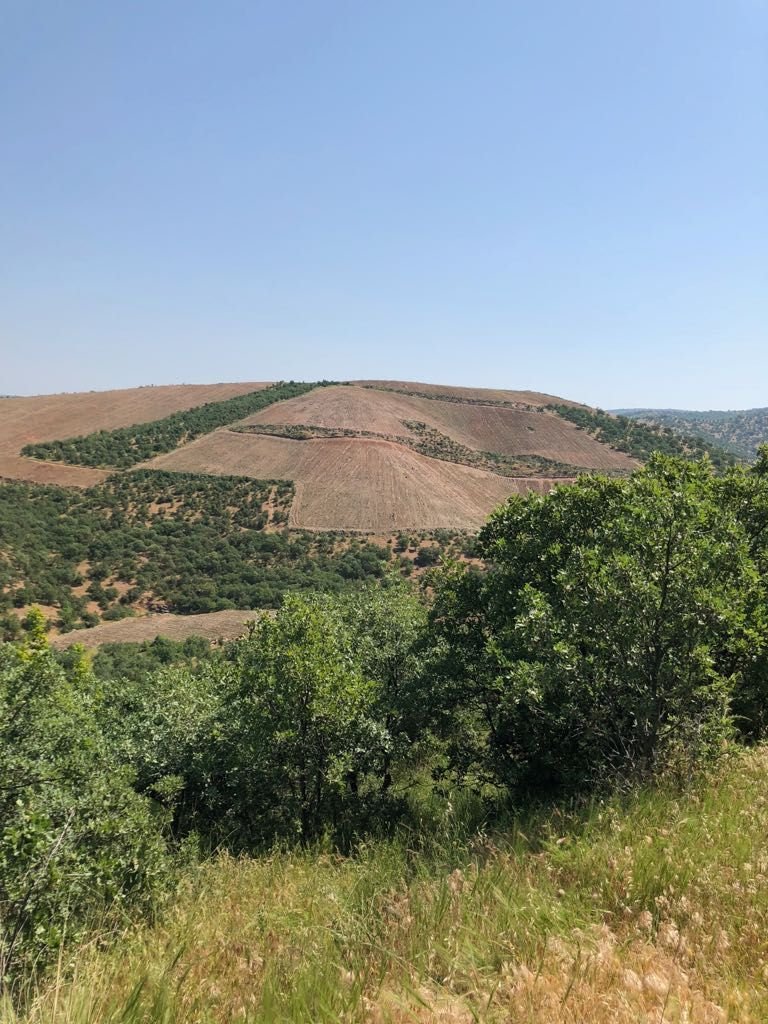
TreeT gives this story an unexpected landscape. Established in 2018 within BUBA’s wider organization, it featured in agricultural coverage with 400 dönüm of almond orchards in Salihli and 270 dönüm of olive orchards in Köprübaşı, both in Manisa province. That is 40 and 27 hectares respectively. Here, growth had a planting schedule.
The agricultural business also had an intellectual-property dimension. A European research-project document described TreeT’s work in patent evaluation, commercialization, purchasing and licensing, alongside technology consultancy. Contemporary coverage named partners including Doktar, BounTarım and Intellectual Ventures. The ambition connected physical farming with expertise and technologies that could be used commercially.
That branch helps explain the breadth of BUBA’s interests. University research, commercial advice and investor networks can apply beyond software. They also demand different expertise in each setting. An orchard and an online retailer may both need capital, but customer analytics cannot settle questions about crop management. The value of the network depends on the relevance of the people it brings.
Support is allowed to say no
Ener’s published columns provide the sharpest view of BUBA’s working philosophy. In November 2015, he challenged founders who confused a web search with a proper competition assessment. He described an entrepreneur expecting an idea alone to command an enormous price, despite an earlier, unsuccessful version already existing. The weak point appeared before a funding decision: the assumptions did not survive inspection.
“It is very important that the entrepreneur be realistic.”
Cem Ener, November 2015 column
Translated from Turkish
In a separate column on honesty, Ener outlined a simple process: entrepreneurs submit plans, BUBA reviews historical performance and projections, and suitable opportunities go to investor members. The approach makes candour commercially useful. Exaggerated experience or invented traction gives an investor another reason to stop the conversation.
Working together can also change the relationship. In May 2020, interactive learning company GmPly announced investment from BUBA Campus at a $1 million valuation. Its CEO said an existing collaboration had become a partnership. The valuation described the company, not the cheque. The stated ambition was to expand the customer base in Turkey and subsequently overseas.
For founders, the most transferable habit here is to make the request specific. Bring evidence of demand, explain the obstacle and identify the expertise that would help. BUBA’s examples suggest looking beyond the headline cheque to the practical work a relationship enables. The founder who needs a first customer has a different problem from one preparing for international expansion.
Such support depends on credible information and a willingness to use it. Mentorship cannot compensate for a founder dismissing commercial opportunities or misunderstanding competitors. BUBA’s history offers a useful standard for both sides of the table: after the meeting, something should become more concrete. A better-tested assumption. A relevant introduction. A business decision that survives the next question.
Keep the conversation going
Visit BUBA’s website or its LinkedIn profile. Explore the BÜMED Business Angels writing archive, read about the GarantiPartners launch, or follow Segmentify’s acquisition by Unifonic.