A finished product and one paying customer. In the published criteria for İTÜ MAGNET, the growth center inside İTÜ ARI Teknokent, that modest combination carries considerable weight. An invention has crossed a threshold. Someone outside the team has agreed that the thing is useful enough to buy. Now the founder has a different problem: making that happen again.
- Çekirdek helps technological ideas become businesses.
- MAGNET works on the next stage: customers and growth.
- Innogate prepares technology companies to sell abroad.
The Istanbul operation is built around these changing problems. There are offices, laboratories, mentors, investors and corporate partners. The interesting feature is how the help changes as a company develops. A founder looking for a first prototype and a founder looking for an American customer can enter the same network through different doors.
01 / The building came after the idea
The İTÜ Development Foundation established the operator in 2002. The first ARI building opened in 2003. That distinction helps explain what the organization was intended to do: give research a route into commercial life. Its setting at Istanbul Technical University’s Ayazağa campus placed technology businesses close to academic knowledge and engineering talent.
The business has a property component. It allocates leasable R&D offices and provides company services. Yet a lease explains only part of the relationship. The operating proposition also includes access to researchers, intellectual property support, entrepreneurship programs and introductions. A founder can rent somewhere else; reproducing those relationships separately takes work.
By May 2026, the company reported more than 420 active R&D businesses in its network. Its customers and participants range from early founders to established technology firms. Corporate partners participate too, looking for technologies and teams. This puts ARI between several markets: research infrastructure, commercial property, startup support and investment.
02 / A different door for each problem
İTÜ Çekirdek, operating since 2011, addresses the beginning. It offers entrepreneurship training, mentoring, open office space, technical support and laboratory access. Applicants bring technological business ideas; the program helps them confront the commercial questions that a working prototype cannot answer. Who needs it? How should it be sold? What evidence supports the plan?
MAGNET, launched in 2017, addresses growth. Its published facilities include a prototyping lab, meeting rooms and round-the-clock access. The entry criteria put a finished product and a buyer near the center of the conversation. For founders, that is a useful distinction: the next conversation should concern the obstacle actually holding the company back.
Innogate works on international expansion through training, mentoring, strategy and connections. Its announced 2026 Silicon Valley AI program adds Plug and Play and BridgeX Ventures. Three months of preparation precede planned November meetings. The sequence matters. Founders are supposed to arrive with a market strategy, a customer list and an investor presentation already taking shape.
03 / The spreadsheet meets Brooklyn
A case study published in October 2026 makes the overseas problem concrete. Furkan Kaya, co-founder and CEO of AI-powered HR business İKAN HR, spent July through September on an exchange with entrepreneur Ömer Özbek in the United States. ARI facilitated the connection through Erasmus for Young Entrepreneurs.
“Before this programme our U.S. strategy rested on desk research.”Furkan Kaya · Co-founder and CEO, İKAN HR
The reported work covered pilot design, sales, procurement, privacy, security and contracts. The company described establishing a business in Brooklyn and adapting its investor pitch and financial model. Those are concrete outputs. They also expose the distance between knowing a market exists and preparing to operate inside it. A useful introduction creates homework.
04 / Read the number inside the number
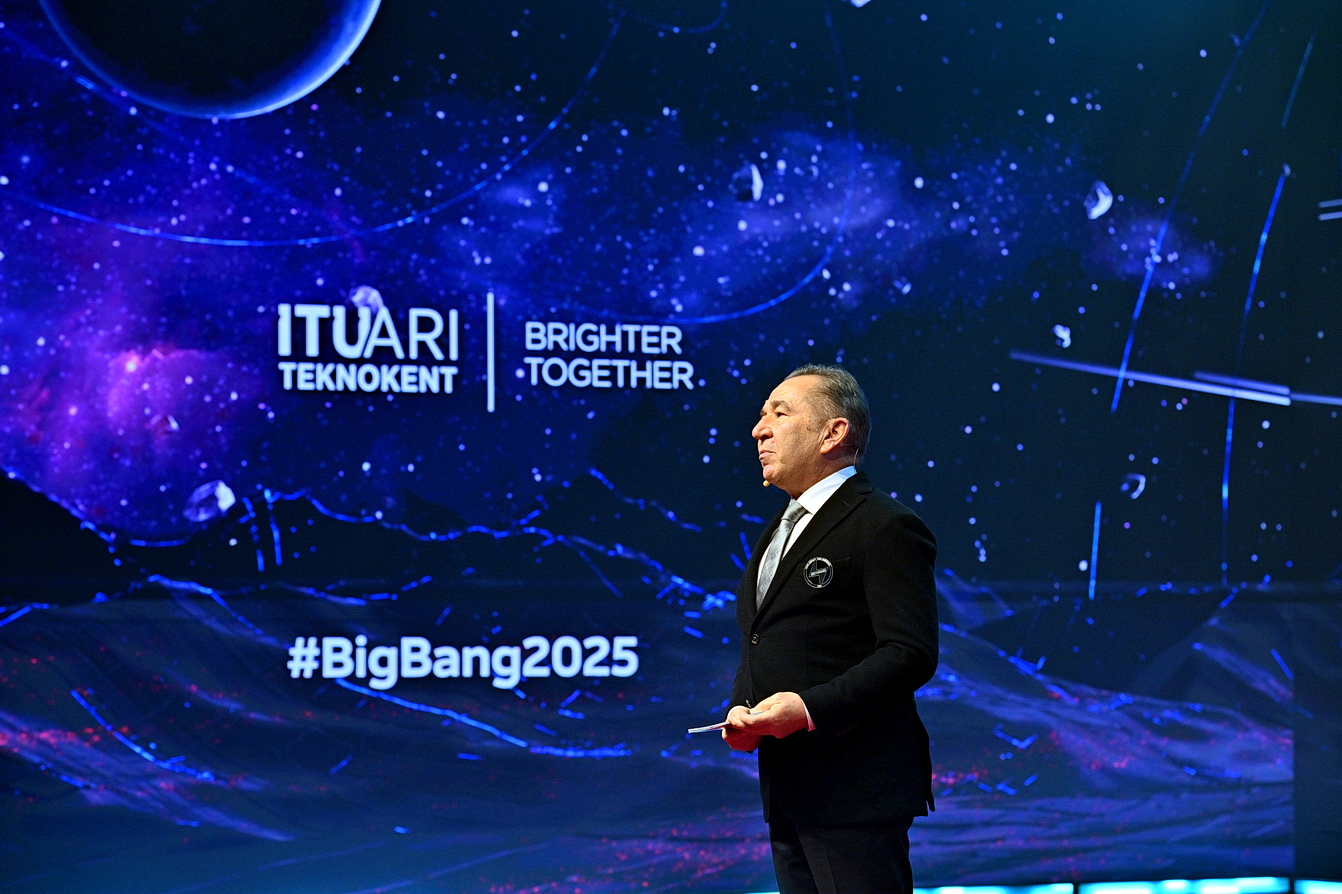
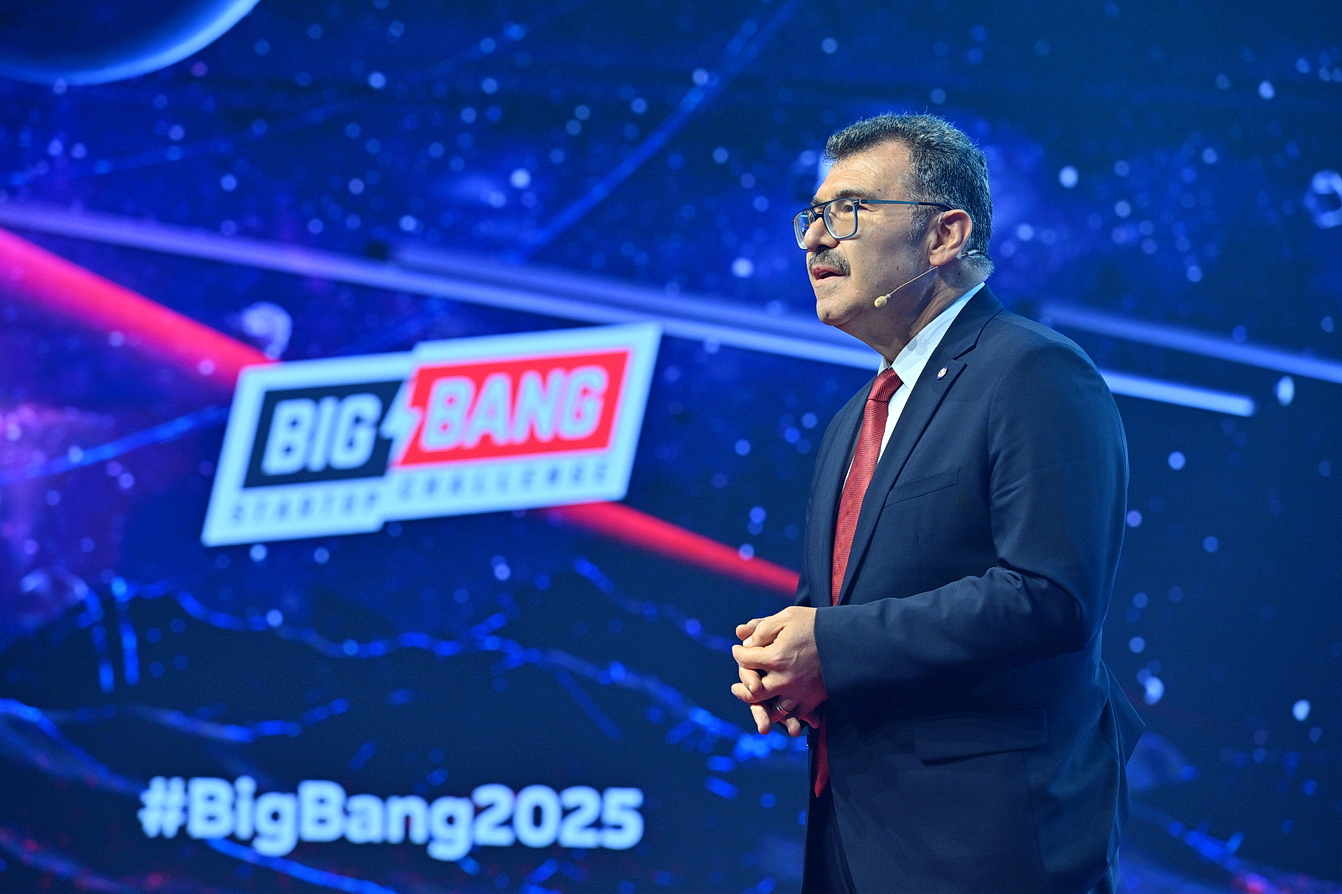
Big Bang Startup Challenge, organized by Çekirdek since 2012, puts selected teams in front of investors and industry. Its 2025 announcement celebrated more than TL 1.74 billion in awards, cash and investment. That combined figure needs careful handling: it describes support for ventures, rather than revenue earned by the park.
The comparison with 2024 is more revealing. Management put the earlier investment total at $88 million, including $64 million for one advanced-stage venture. The other businesses accounted for $24 million. For 2025, it described $41 million spread across 75 startups. The larger headline had depended heavily on a single company.
Yellow: one 2024 deal · Cream: other 2024 deals
Teal: 2025 total across 75 startups
That does not settle which year was better. It shows why totals alone are a poor operating manual. ARI also announced a venture fund with Maxis targeting $25 million. A target fund size describes an ambition to invest; it should be read separately from money raised by startups or by the operator.
05 / Give the invention somewhere to go
ARI TTO handles less theatrical work: grant support, patent searches, intellectual property advice and cooperation between companies and researchers. In May 2026, ARI reported second place among technoparks by patented startup count in Patent Effect’s report, with 136 ventures. Protection is one part of commercialization; finding a buyer remains another.
The March 2026 Togg agreement proposes a place to test technologies, including digital health and AI for mobility. Selected startups are intended to gain pilot, integration and validation opportunities. This is a specific reason to seek a corporate partner: a real operating environment can challenge assumptions that survive comfortably inside a demonstration.
06 / Copy the sequence
There is a practical lesson here for founders and anyone running a support program. Identify the stage, name the obstacle, then arrange the relevant help. Use laboratory access for a technical question, a buyer for a demand question, and overseas preparation for a market-entry question. Measure what follows the introduction.
The model asks something of its participants. A patent does not demonstrate repeat demand, and a corporate pilot still needs to become a commercial relationship. Teams need time, execution and a fit with the available programs. ARI’s useful proposition is that the next person you need may already be within reach.