The easiest part of booking a trip is believing it should be easy. Type two cities, choose two dates, press a blue button. Somewhere beneath that modest rectangle, however, thousands of fares begin elbowing one another. Seat maps, baggage rules, hotel rooms, loyalty programs and cancellation policies enter the fray. The machinery is old, new and occasionally speaking several technical dialects at once. Brigit Zimmerman has made a career in the machinery.
In January 2026, Zimmerman became chief executive of Priceline after more than twelve years at the company. Her route to the top was unusually literal. She started with flights and packages, added hotels, took charge of commercial strategy and then inherited the whole itinerary. Before Priceline, she worked on marketing distribution strategy at United Airlines, where she saw the same transaction from the supplier's side of the counter.
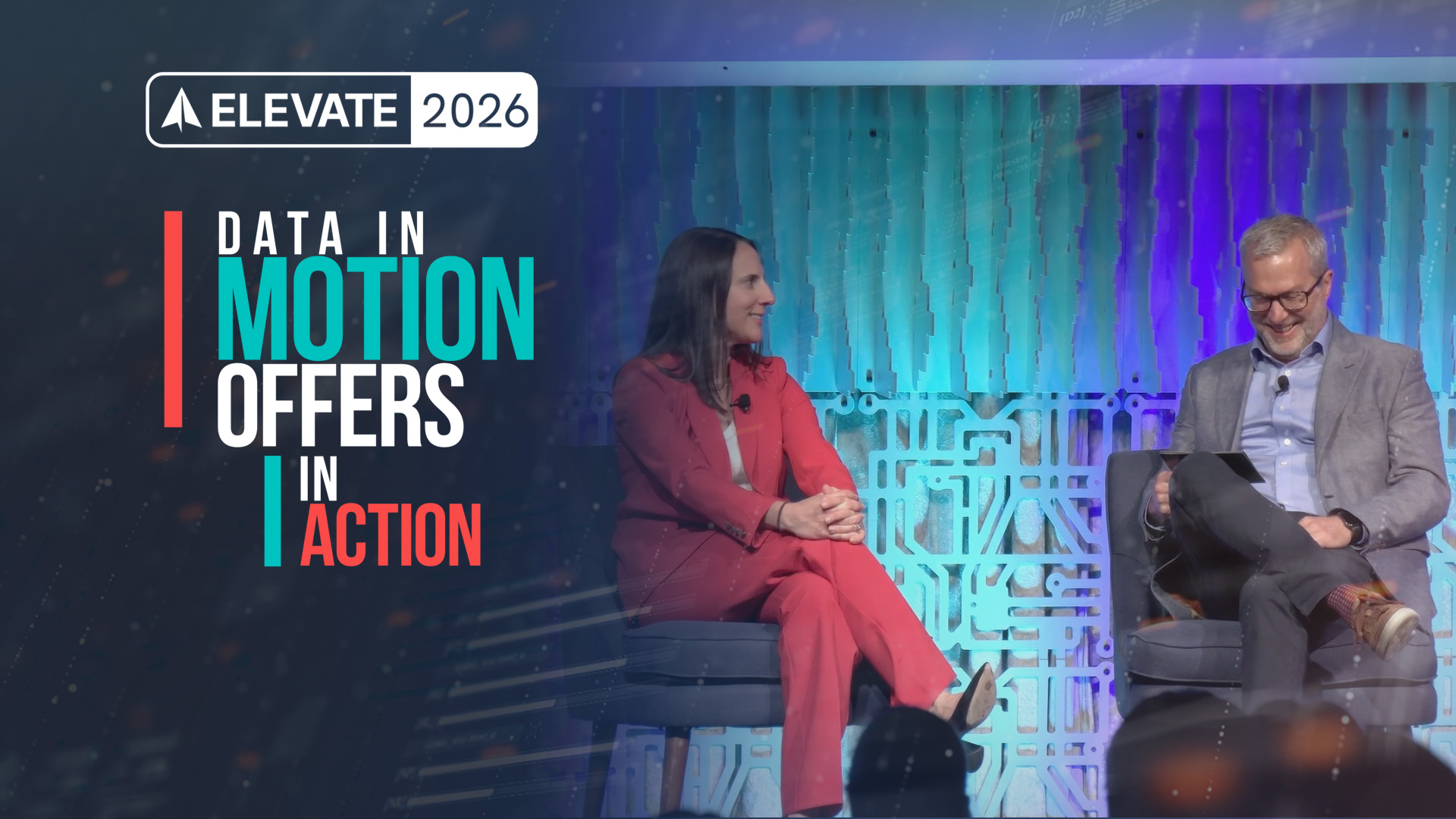
This is useful preparation for running an online travel company. It is also preparation for explaining why a task that appears to require one click can consume the patience of several corporations. Onstage at an airline technology conference in 2026, Zimmerman described bringing many supply connections together in one dependable experience. Her verdict was economical: it is “freaking hard.” The phrase sounded less like complaint than credential.
An education in the difficult middle
Zimmerman studied management and entrepreneurship at Indiana University's Kelley School of Business, graduating in 2004, and returned for an MBA focused on strategy, corporate innovation and finance. Early roles took her through wine distribution and brand management before she landed in airline distribution in 2008. That last stop became the hinge. Airline retail is where tidy customer desires meet a famously intricate supply system: one seat, many ways to sell it, and still more ways to change it after purchase.
By the time she joined Priceline as senior vice president of Flight & Packages in 2013, Zimmerman could understand the negotiation from either chair. She later added hotels to her title. In 2022, she became chief commercial officer, with responsibility for the strategy that connected inventory, partners, products and customers. She also led the integration of acquisitions including the flight-search company Flyiin and hotel distributor Getaroom. Each promotion enlarged the same central problem: how to make a sprawling market understandable at the moment someone wants to go somewhere.
The result is an operator's view of innovation. Zimmerman is plainly enthusiastic about generative AI, but her argument begins with plumbing. Data must be accurate, structured and available early enough for a machine to explain an offer. If the assistant promises a particular experience, the airport and hotel must deliver something recognizable. If plans change, the post-booking system must work. The dazzle comes last.
Her vocabulary keeps returning to the entire journey. Travel companies once treated inspiration, shopping, payment and service as neighboring departments, each with its own screen and incentives. A traveler experiences none of those borders. There is only the trip, first imagined and then attempted. Zimmerman's commercial training shows in her insistence that partners agree on the outcome before arguing over display position or transaction costs. The customer, after all, has never booked a distribution channel. The customer has booked a Tuesday flight to see someone.
“At the end of the day, we have to build trust with the customer.”Brigit Zimmerman, ATPCO Elevate 2026
Penny travels upstream
Priceline's AI assistant, Penny, began near checkout, answering the nervous questions that arrive just before a customer presses Book. Then Penny appeared after the purchase, helping with changes and disruptions. More recently she has moved toward the beginning of the journey, where a person might ask where to go in Europe in June without having selected a city, hotel or flight.
That migration matters to Zimmerman because online travel agencies have traditionally been better at transactions than daydreams. Search assumes the traveler already has an answer. Conversation can begin with a hunch. In June 2026, Priceline announced a more agentic Penny designed to help move from trip idea to booking in one conversation. The corporate ambition is expansive; Zimmerman's test is stubbornly practical. Can it make shopping easier, cleaner and more faithful to what the traveler will actually receive?
Her view of value is similarly resistant to easy categories. Asked about premium travel, she used herself as a sample of one. Sometimes she flies economy; sometimes she would strongly prefer premium. The choice depends on the trip. A traveler may economize on a seat, buy extra legroom later and put the remaining money toward the hotel. Calling that person a low-value customer mistakes one purchase for a personality.
For Priceline, this means explaining trade-offs rather than merely sorting shoppers. The company needs rich descriptions, useful images and accurate comparisons so a traveler can see what more money buys. Transparency may produce an upsell, but it also produces something more durable: the feeling that the seller has not hidden the pea beneath the cup.
The Negotiator meets the grown-up internet
Zimmerman took over a brand with an unusually loud memory. Priceline's Negotiator, played for years by William Shatner, belonged to an earlier internet: swaggering, theatrical and forever ready to strike a deal. In May 2026, the company brought him back to train a successor played by Randall Park. It could have been mere nostalgia in a good suit. Zimmerman instead framed the revival around a present anxiety: travel prices were putting desired trips under pressure.
Her formulation for competing was telling. Priceline should focus on “outsmarting and outmaneuvering, not out-shouting.” It is the sort of sentence a distribution strategist might bring to a mascot meeting. The Negotiator supplies recognition; the underlying promise must still be useful. More inventory, clearer value and better personalization do not have Shatner's eyebrows, but they are what make the character's claim credible.
“Travel should not feel out of reach.”Brigit Zimmerman, May 2026
Affordability has become Zimmerman's public north star. That does not reduce the business to the lowest number on a screen. Price is the entry point, she argues, while value includes what the customer understands, chooses and experiences. The distinction sounds academic until a family discovers that the cheap fare excludes the bags it needs. Clarity is part of the deal.
There is a corporate connection above her as well. Priceline belongs to Booking Holdings, whose other consumer brands include Booking.com, Agoda, KAYAK and OpenTable. Zimmerman works within that federation while running a distinctly American brand built around the pleasure of paying less. At a company town hall in 2026, she spoke with Booking Holdings chief executive Glenn Fogel about moving with clarity and speed. Her rise was an internal succession, not an outsider's rescue mission: Brett Keller, Priceline's CEO since 2016, retired after 26 years at the company and remained briefly as an adviser. Continuity gave Zimmerman room to revise without pretending the past had failed.
Perfectionism, with a laugh track
Zimmerman's stage manner offers another clue about how she handles an industry in permanent renovation. When an interviewer asked who should play her in a movie, she objected to the proposed scale. Made for television? Surely it had to be a blockbuster. She had, conveniently, already consulted ChatGPT.
The machine suggested Anne Hathaway, citing perfectionist energy, and Sandra Bullock, for bringing humor to chaos. Zimmerman conceded that the first description might be “a little true” and hoped the second was. Then she noticed that both actresses had starred in films with transformations. Was ChatGPT hinting that she needed a glow-up? She would have to ask.
It was a neat piece of self-portraiture disguised as banter: exacting, technologically curious, unwilling to take the CEO mythology too seriously. Her official biography says she lives in Fairfield County, Connecticut, with her fiancé and two dogs. Her public remarks are mostly about fares, systems and customers. The flashes of humor keep all that infrastructure from turning the person explaining it into infrastructure too.
In 2022, Women Leading Travel & Hospitality recognized Zimmerman among its top women in the industry. She wrote then about finding her voice and about the value of giving employees a seat at the table. Four years later she had every seat in the house, including the one whose occupant answers for the whole company.
The easy button is serious work
Asked what success should look like five years from now, Zimmerman did not offer a market-share trophy or a science-fiction concierge. “I just want it to be easy,” she said, before laughing that the answer sounded like a cop-out. It was not. Easy is the visible result of hundreds of difficult agreements holding at once.
A useful travel assistant must understand an open-ended wish, interpret the available inventory, make fair comparisons, complete a transaction and remain helpful when the weather changes the plan. Airlines, hotels, distributors and software all have a role. Any broken handoff becomes the customer's problem. Zimmerman wants those organizations to work backward from the outcome rather than defend the customary borders around their systems.
That ambition fits the shape of her career. She did not arrive at Priceline to decorate the search box. She worked across the layers underneath it, widening her jurisdiction one category at a time. Now she is responsible for making the accumulated complication disappear at the surface, while remaining perfectly legible below. The traveler gets a simple question: Where would you like to go? Zimmerman gets all the other questions. She appears to like it that way.