On the drive from Calgary to Saskatoon, Brett Willms’s mother gave him something to do with all that prairie. Notice something interesting. Look for what was missing. Imagine what you might make if you could make anything. The family called this inventing. A long car journey had acquired a research department, with a mother in the front seat and a boy learning that the world could be treated as an unfinished project.
Years later, his former publicist Justin Oberman would remember that game as an explanation for Willms’s working life. Willms also discussed the childhood exercise in a 2024 interview. It is an unusually useful origin story for a technology founder: the exercise began with paying attention, and another person was there to encourage the answer. Both habits would recur.
His career took him through Google, Gusto and Indeed, then into Laetro, the creative business he co-founded in 2020. The products changed. The question retained its shape. What could people make if someone removed the obstacle in front of them? Eventually that question would lead him into artificial intelligence, where removing an obstacle for one person can create a considerable problem for somebody else.
A small subtraction from impossible
Willms had a phrase for the scale of his ambitions: impossible minus one. It allows for quite a lot of optimism while leaving a tiny escape hatch for arithmetic. His family remembered it as a guiding idea. Colleagues remembered what it felt like to work around someone who took it seriously.
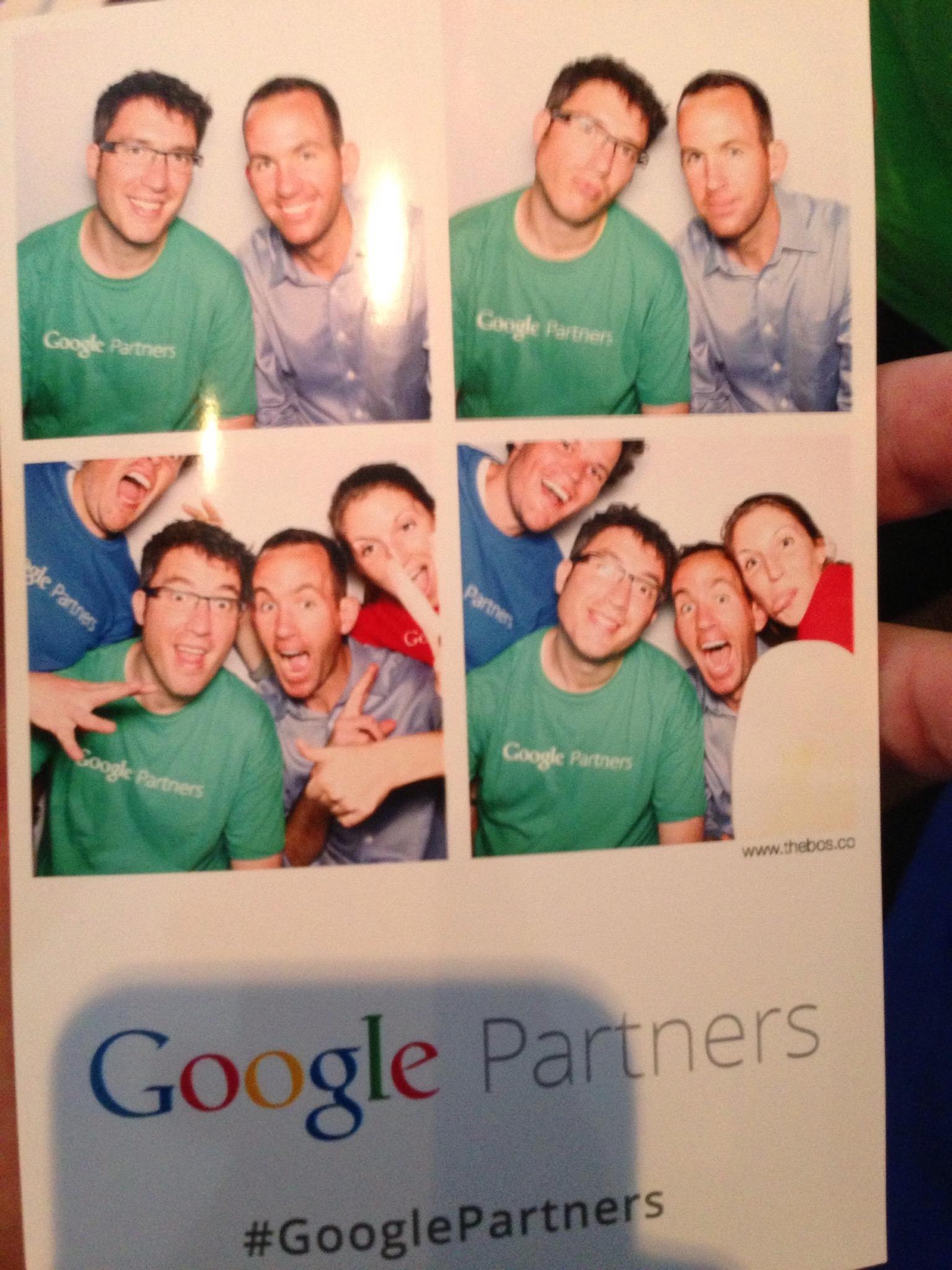
At a Google marketing offsite in Toronto, the team replaced their work photographs with superhero alter egos. Tim Frank, visiting from another team during the Google Partners launch, recalled people telling the origin stories that had made them who they were. The exercise stayed with him; he later encouraged his own teams to share their histories. An office ritual had travelled further than the meeting.
Scott Levitan, who shared an office with Willms at Google, remembered a small poster about being able to do difficult things. Jennifer Warren remembered a different device at Indeed: a jazz hands club, a way of signalling support when a creative meeting was going badly. Corporate life offers many methods for registering disapproval. Here was someone organising a gesture of solidarity.
“We rise together.”
Brett Willms’s recurring sign-off
That sign-off appeared repeatedly in his public writing. The recollections give it some texture. A superhero exercise asked people to bring their personal histories to work. A ridiculous hand gesture made encouragement visible. These were small arrangements for helping people feel able to contribute, even when the idea on the table was still awkward.
Helping the smaller business get through the door
In September 2010, Willms put his name to a Google announcement about a partnership with The Globe and Mail. The purpose was practical: help Canadian small businesses establish themselves online, reach customers and use tools such as Google Places and AdWords. He signed it as Canada Marketing Manager.
It was a different technological moment. The assignment involved explaining how an internet presence could become useful to a business owner. The proposed resources included tutorials, business stories and guidance on getting started. Even a powerful tool needs an understandable entrance. His work sat at that entrance, translating what a platform could do into something a person might actually try.
His subsequent roles included small business marketing across the Americas at Google, growth leadership at Gusto, marketing for Google Fiber, and a vice presidency covering marketing and experience at Indeed. He also co-founded Bitty. The sequence moved between large organisations and entrepreneurial work, keeping customer acquisition and the experience of using technology close together.
Marketing
Growth
Marketing & experience
Co-founder
There is a connection between that early small business work and the company he later built. A business can want better marketing and still have little idea how to commission the necessary creative work. Knowing that an illustrator exists is some distance from knowing how to brief one, agree on a project and get the result into use.
The animator and the marketer
Dave Zaboski met Willms while Willms was leading creative teams at Google. Zaboski brought experience from animation, including work on films such as The Lion King and Aladdin. Together they began developing a way to make commissioned art easier to arrange. Their 2020 introduction to Laetro described a global community of artists and a platform for ordering original illustrations.
The proposed process began with a brief. Matching would connect the customer with an artist; the work would follow. The audience extended beyond the large studios that had traditionally employed many of those artists. Small businesses, publishers, brands and individuals were included in the invitation. The commercial opportunity depended on making specialist talent easier to reach.
For Willms, the people doing the work also needed a workable arrangement. He later wrote about the operational habits behind creative production: understanding each other, responding promptly, giving accurate feedback, keeping promises and remaining enjoyable company under pressure. That last requirement deserves a place beside every project deadline. A beautifully organised schedule can still contain a thoroughly miserable Tuesday.
His emphasis on precise feedback was especially revealing. A vague response creates another round of interpretation; another round consumes time and money. The inventor’s habit of noticing an omission had become a manager’s concern with the small gaps through which a project could lose momentum. Creativity needed practical care as well as permission.
Four conditions for the machine
By June 2024, Willms was discussing Laetro’s Content Generation Suite, which brought AI-generated photography, illustration and copy into the business. The arrival of these tools complicated the original promise. A platform intended to help artists flourish now had to explain how generating work through software would serve the people whose creativity helped make that software useful.
He set out four principles for the suite: consent, compensation, credit and collaboration. Artists could choose whether to participate. He described a model in which they set prices for their styles, received payment when those styles were used and remained identified with their contribution. Customers could also hire the artist to refine the result.
The artist decides whether to participate.
Use of a style carries a way to pay its creator.
The contribution stays connected to a person.
A customer can bring the artist into the final work.
Those commitments expressed his proposed bargain. They also offered concrete questions a customer or artist could ask of it. Who agreed? Who gets paid? Whose name remains attached? Who can help finish? The answers mattered to the business model. A pleasant statement about creativity would leave all four questions open.
Willms was enthusiastic about what the tools could produce. In one post, he compared the surprise around AI drawing with earlier changes brought by photography and digital music. His argument returned to the quality of the result, responsible use and payment for creative contributions. He wanted wider access to making things, with obligations travelling alongside that access.
The future still required a useful question
In a May 2025 marketing discussion, Willms described work on agents that could handle brand frameworks, conduct research and generate insights. He was interested in software taking on more of the thinking around creative production. He also singled out Gemini’s ability to ask questions and discussed ComfyUI’s place in Laetro’s visual workflows.
This enthusiasm came with an appreciation of the customer’s limited time. In another post, he acknowledged that most marketers did not want to become prompt engineers. Better questions could improve the result, but expecting every customer to master the machinery placed a fresh burden at the entrance. That was familiar territory for someone who had spent years helping businesses approach technology.
He had another set of four Cs for commercial creativity: clarity, creativity, control and courage. They covered understanding a business, expressing it distinctively, keeping its output consistent and getting the work into the world. Put beside his AI principles, they suggest how he approached a product: useful work required both a good creative process and a considered arrangement between the participants.
His own stated aspiration was straightforward. He wanted to use his imagination to remain relevant, contribute and thrive in a future shaped by AI. The ambition included himself. He was learning the changing tools while building with them, making public suggestions and inviting other people into the discussion.
A championship belt, a meal, another idea
Outside the product discussions, the memories become pleasingly specific. A friend, Hamutal Dotan, recalled a long-running Monopoly gathering that carried on through university and into adult life. There were snacks, competitive talk and a gaudy wrestling victory belt. The eventual winner was apparently less memorable than the pleasure of returning to the board.
Xavier Pépion, who worked with him at Google Canada, remembered a late evening after demanding weeks of work. Willms surprised him and a colleague with tickets to Lady Gaga in Toronto. Michele Kumar remembered his delight in creative workshops, still visibly enjoying the exchange of ideas after years in marketing. These recollections describe pleasure as something he made room for around other people.
Willms died on September 24, 2025, aged 49. His family remembered his affection for collectibles, tucked-away restaurants and Maui’s waves, alongside the confidence he gave people. The details belong together. There was curiosity in finding a meal, in hearing a colleague’s history, in wondering what an artist could make with a different set of tools.
The childhood game offers a modest way to carry that curiosity forward. Look carefully at what is already there. Notice the missing piece. Find someone willing to imagine a possibility with you. A boy could play it across the prairies; an adult could spend a career discovering how many other people might like a turn.