A music festival has two prices. The first is printed on the ticket. The second arrives in pieces: the flight, the hotel, the ride from the airport, another meal eaten somewhere you do not live. A fan can save for admission and still discover that the weekend is beyond reach. Breakaway’s proposition begins with that second bill. Move the festival closer, and the same artist becomes a different purchase.
- Breakaway takes electronic music festivals to U.S. cities, including markets overlooked by destination events.
- Fans buy admission and upgrades; brands buy access to the crowd.
- A label and management division gives emerging artists a route from releases to live audiences.
There is something pleasingly unfashionable about this. The company’s answer to an access problem involves actual stages, actual fields and actual journeys home. Its most useful innovation is a choice of address. For someone who wants a weekend of DJs without turning it into an expedition, proximity can be worth more than another extravagant flourish above the stage.
01 / The first map was too ambitious
Adam Lynn and Zach Ruben came through college concert promotion. Their predecessor business, Prime Social Group, formed in 2010. Three years later, Breakaway launched at soccer stadiums in Columbus and the Dallas area. The Columbus bill included Kendrick Lamar, Porter Robinson and Twenty One Pilots. It was an unusually broad invitation: several musical worlds sharing one field.
The invitation was easier to assemble than the business. Looking back in 2018, Lynn said they had gone too big and stretched themselves too thin. Breakaway paused. Columbus returned in 2016 at the Ohio Expo Center Fairgrounds, then moved back to the stadium in 2017. The return announcement stressed parking, restrooms and production possibilities. Glamour, apparently, requires plumbing.
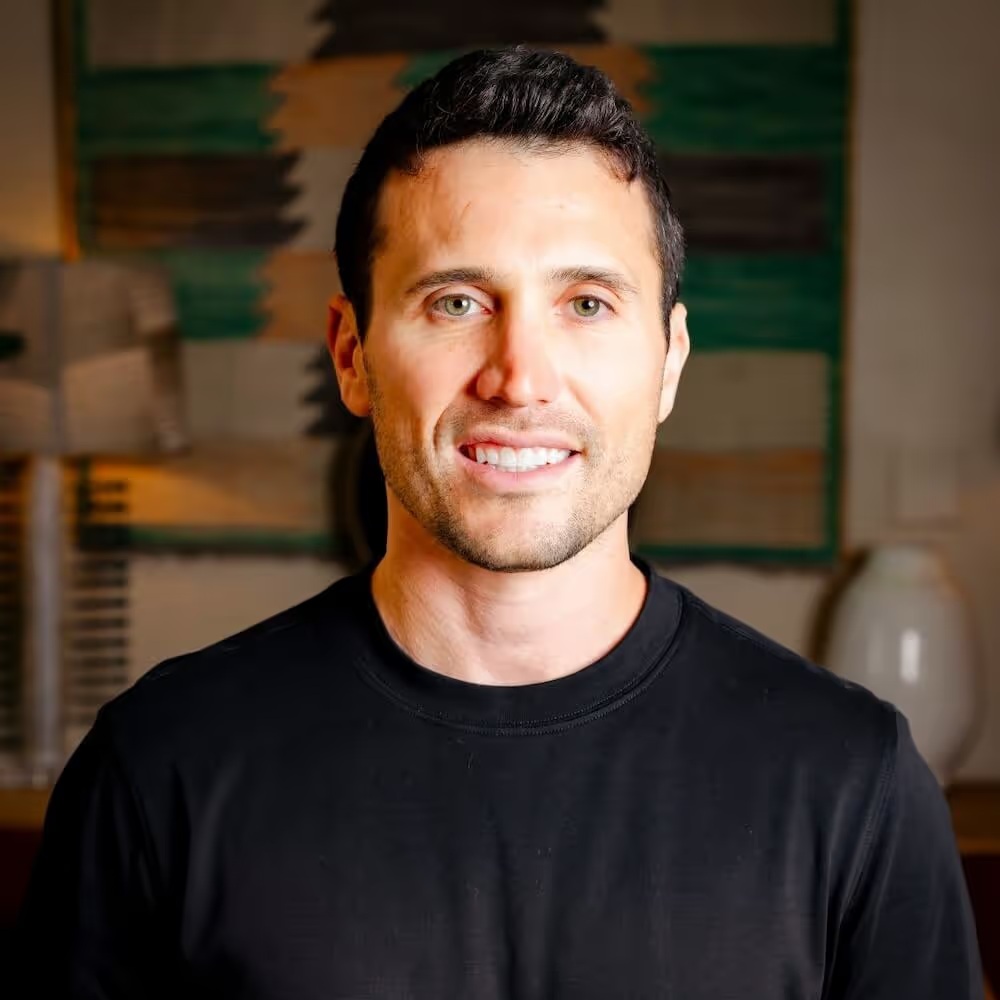
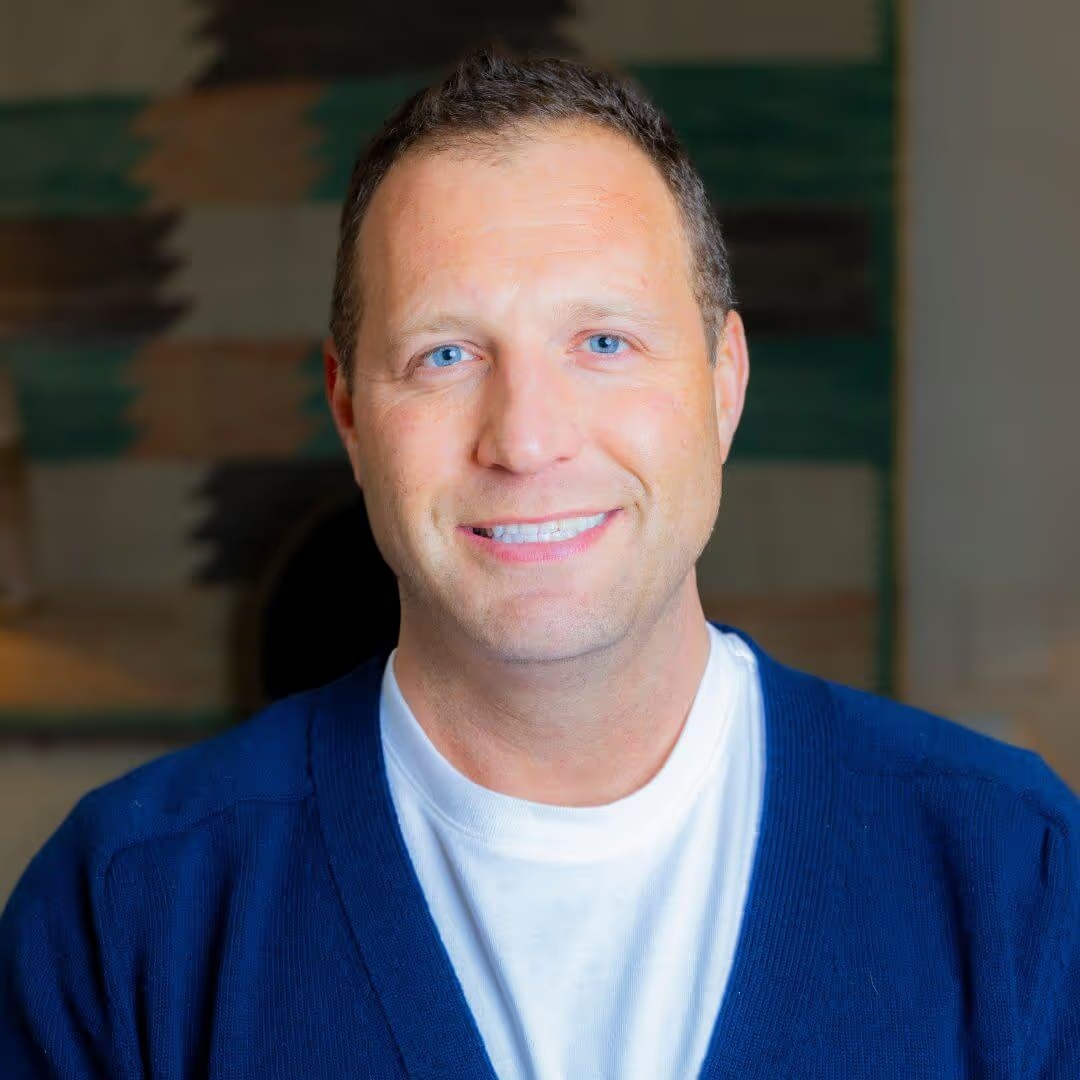
A separate early mistake helps explain Lynn’s education. He recalled making about $4,000 on a Wiz Khalifa show, then losing $60,000 on an arena booking with Nas. He went to Australia and took an unpaid internship with an events company. The lesson was concrete: an audience’s enthusiasm does not excuse a promoter from learning how to operate.
02 / A dance floor, an address, a shorter journey
Today, Breakaway’s core product is an outdoor festival, generally spread over two days, with established electronic acts, developing performers and different admission tiers. Its 2026 Atlanta lineup included Fisher, John Summit and Kaskade. The event page advertised tickets starting at $149. Fans can choose a city and lineup, then decide whether general admission or premium access suits the weekend they want.
Insomniac events, Electric Forest, Ultra and local club shows offer alternative ways to spend the same entertainment budget. Breakaway’s distinction is the circuit: a recognizable festival experience delivered to multiple markets. It can appeal to someone who likes the scale of a festival but prefers the logistics of an event nearer home. A club remains the simpler choice for a single artist.
Venue selection carries its own logic. Outdoor space beside a stadium provides a flat dance floor while allowing organizers to use existing facilities behind the scenes. A parking lot may lack romance on Tuesday. With a sound system and an audience, it has other qualifications.
“Music needs a dance floor.”Zach Ruben / Co-founder
03 / The field has a balance sheet
A Tampa Sports Authority agreement makes the economics unusually visible. For April 17-18, 2026, the license summary lists a $120,000 flat venue fee, direct event expenses and a $40,000 non-refundable deposit. Those are venue terms, not the festival’s entire production budget. Talent, staffing and everything required to turn parking lots into an event still have to be accounted for.
Flat license fee, with direct event expenses and a separately listed $40,000 deposit.
The same agreement assigns ticket, concession and merchandise revenue to Breakaway. The authority keeps parking revenue and receives $5 per ticket sold above 8,500 on each event day. This is what sits beneath a carefree weekend: distinct receipts, distinct obligations, and a capacity threshold with consequences. Filling the field changes the arithmetic; it does not make the arithmetic disappear.
04 / The other customer is carrying a can
Festivalgoers are one customer group. Sponsors are another. CELSIUS has backed the series as presenting sponsor, with energy and hydration roles. A brand can appear across a route rather than negotiate only one local weekend. Breakaway supplies the setting in which a sample, lounge or activity meets an audience already gathered for something it enjoys.
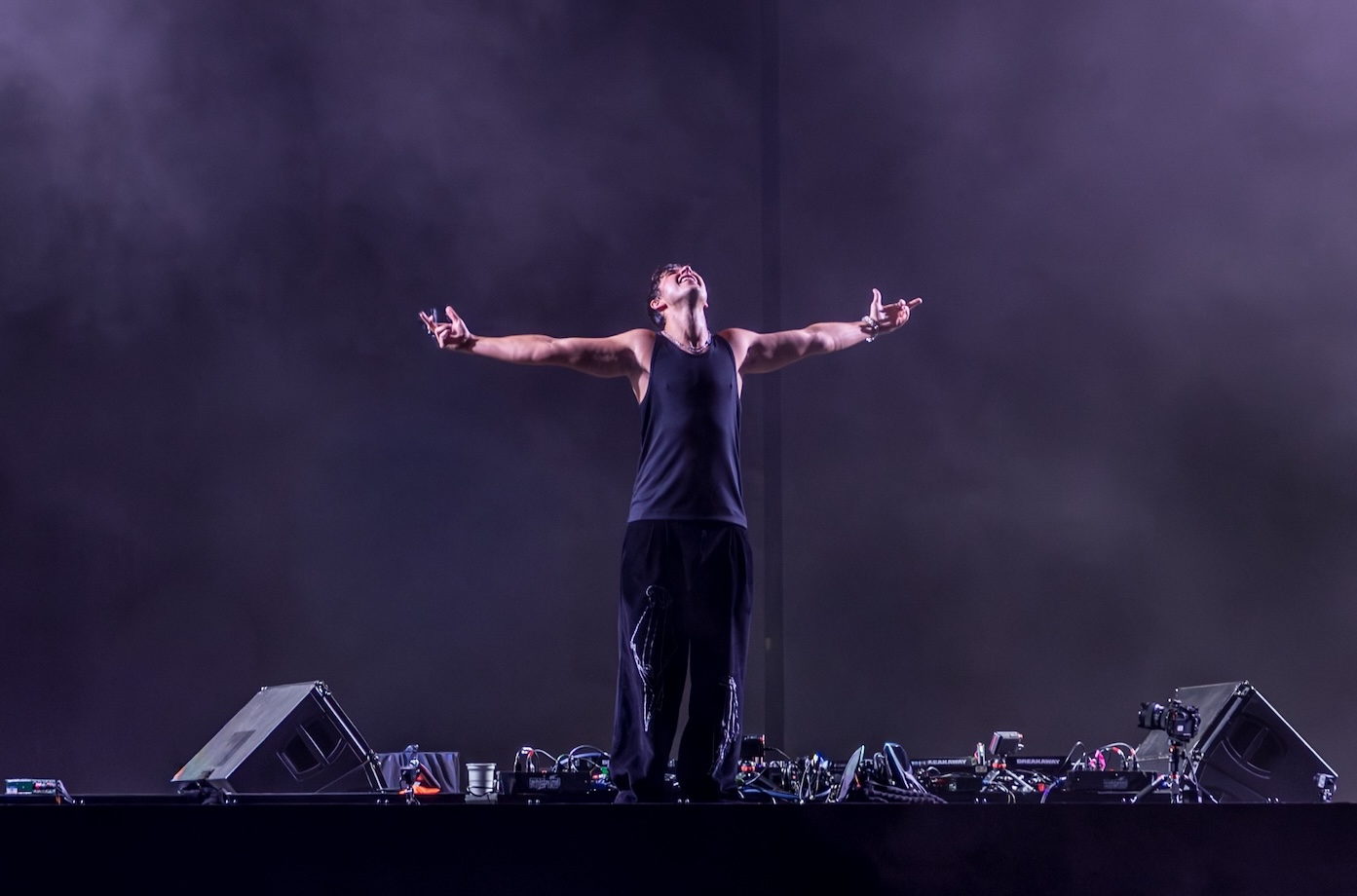
The work extends beyond placing a logo. Carolina’s published experiences include a Jimmy John’s silent disco with local artists and a Hiyo sampling space. Hiyo’s expanded agreement covers 2026 through 2028 as official non-alcoholic beverage partner. Those choices also affect the fan’s afternoon: somewhere to pause, something to drink, a smaller performance to discover between larger sets.
05 / Give the record somewhere to go
Breakaway Projects, launched in 2025 with distribution through The Orchard, adds label and management services. Initial signings included Surf Mesa, JADED and EVAN GIIA. For an emerging artist, a festival circuit offers a physical place to test a relationship with listeners. A release can lead to a performance, and a performance can give someone a reason to seek the release.
That connection became explicit in a 2026 TikTok LIVE partnership: a DJ competition offered a Carolina performance and a record deal for the winning track. Breakaway also promotes concerts through Breakaway Presents. Together, these activities make the company useful to artists between festival appearances, while giving its bookings and content more opportunities to reach fans.
06 / What travels, and what does not
Inc. reported a $30 million Series B in March 2026, following a $6 million Series A in 2022. Capital helps fund the next phase. The copyable idea remains smaller: count the customer’s whole expense, find demand close to home, then deliver an experience people will buy again. Each new market still needs suitable space, available talent and enough paying fans.
Proximity also has limits. Someone traveling to Breakaway may still need a hotel; a venue outside town still needs a transport plan. Severe weather can interrupt outdoor events. Before buying, check the specific lineup, age restrictions, entry rules and final price. The company can bring the dance floor closer. The sensible fan still works out how to get home.
The practical purchase starts on a city’s event page. Ohio, Atlanta and Carolina’s 2026 pages specify 18+ admission, with certain hospitality areas limited to people 21 and older. Some locations offer shuttles, lockers or nearby hotel options. Read those choices alongside the ticket rather than after it. The cheapest entry tier can be perfectly adequate, but the right weekend is the one whose total cost and journey you have actually planned.