A podcast can put a stranger’s voice in your kitchen every week and still leave you with nobody to discuss it with. In 2022, Alex Kantrowitz described precisely that problem. Big Technology had listeners. It had guests. What it barely had was a life outside the podcast player. For a show about companies that connect billions of people, this was an amusing little predicament.
- The product: free tech interviews and a regular Friday news discussion.
- The advantage: a reporter’s relationships with executives, insiders and critics.
- The business: podcast advertising alongside paid reporting and community access.
- The useful lesson: give an interested audience somewhere to answer back.
Today, Big Technology Podcast sits inside Kantrowitz’s wider independent publication. The interviews examine the people making technology’s decisions; Friday Edition, with Ranjan Roy of Margins, works through the week’s consequences. The distinction matters. An executive can explain a strategy on Wednesday. By Friday, there is time to ask whether it survives contact with the news.
01 / ACCESSA reporter’s advantage
Kantrowitz brought a particular kind of preparation to the microphone. His book, Always Day One, drew on 130 interviews about the workings of Amazon, Facebook, Google, Apple and Microsoft. Published in April 2020, it examined how large companies keep inventing. The podcast’s trailer arrived that July. The beat continued; the venue changed.
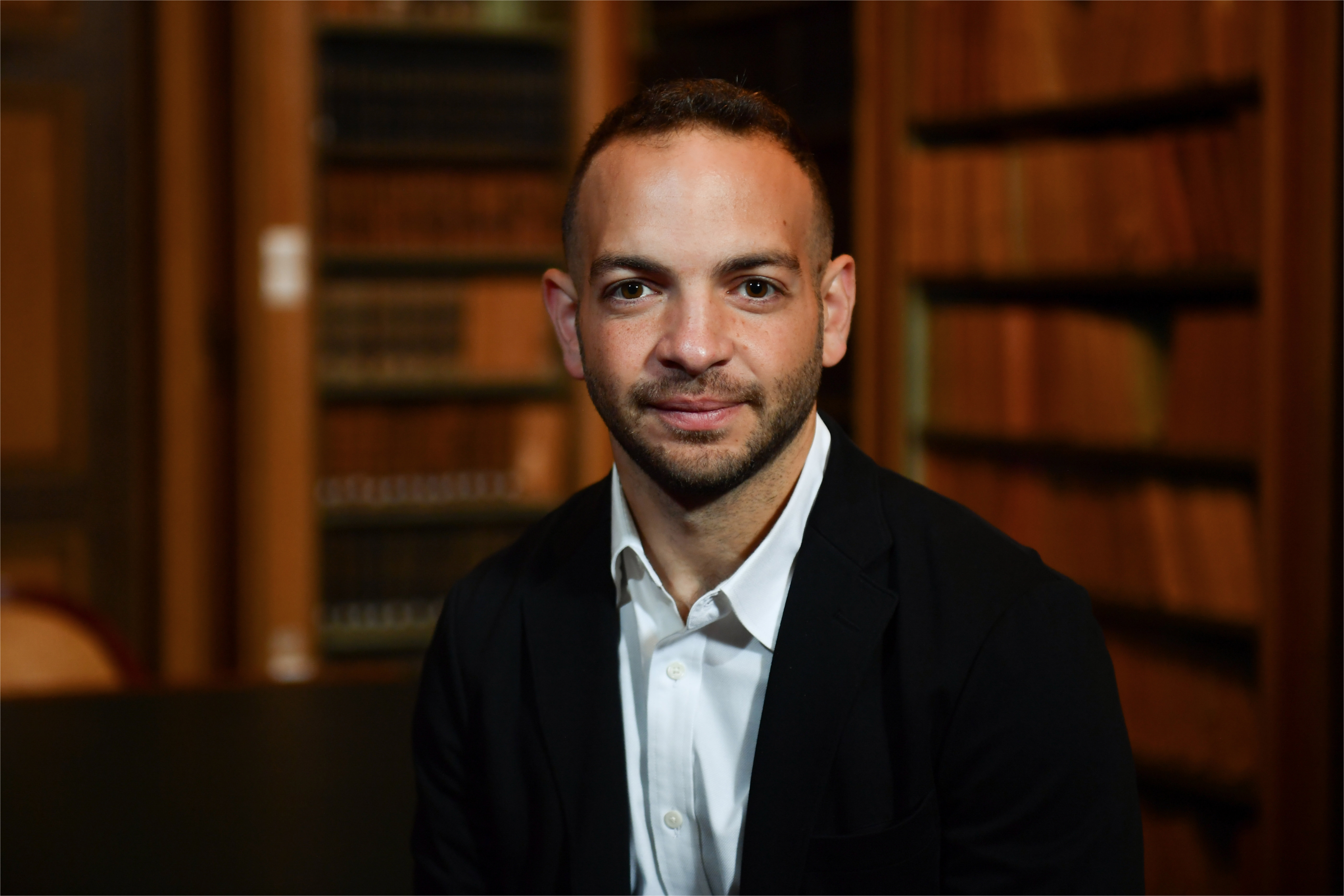
His published editorial promise is “Physiology, Not Symptoms.” That is an unusually useful way to describe tech journalism. A product launch is a symptom. The incentives, internal arguments and distribution advantages that produced it are the physiology. Understanding those mechanisms helps a listener judge the next announcement, rather than merely remember the last one.
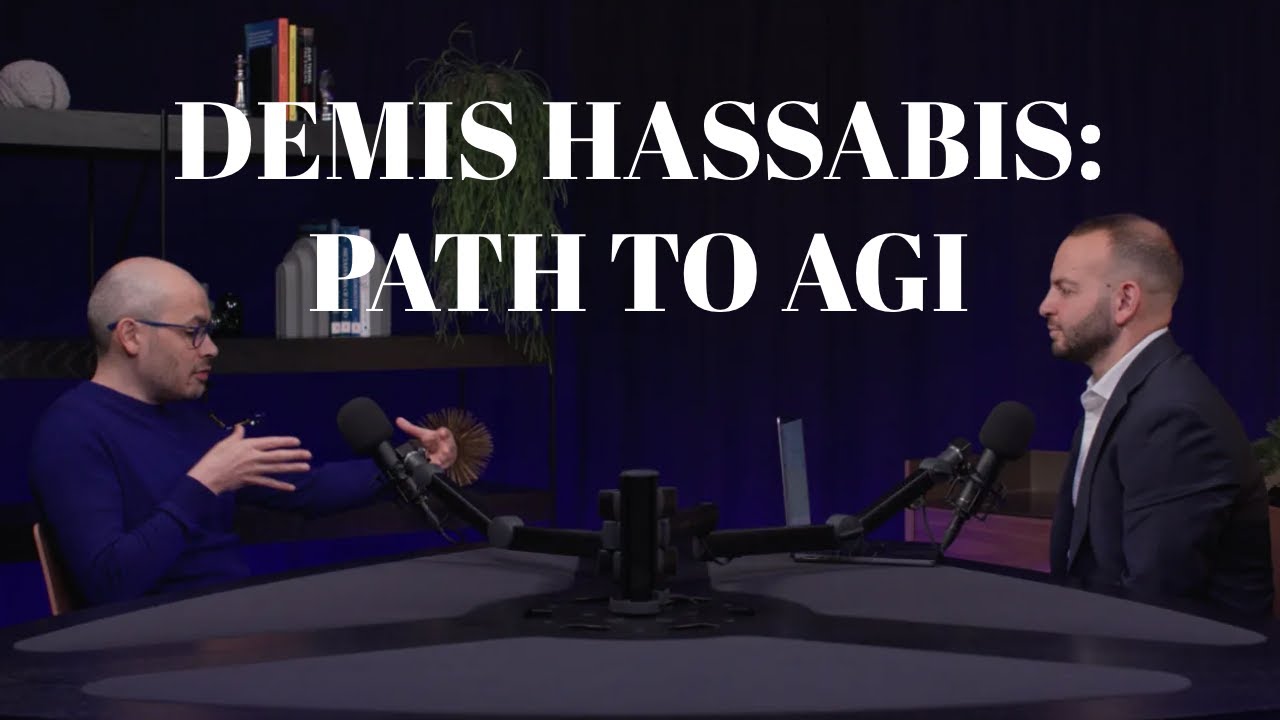
There is recognizable competition for this attention: Decoder, Hard Fork and All-In offer other ways into technology and business. Big Technology’s particular proposition is a reporter-led conversation with room for both the builder and the person questioning the build. Its archive includes Google DeepMind’s Demis Hassabis and AWS chief Matt Garman, but also AI critics Emily M. Bender and Alex Hanna. Guests need not agree for the pairing to be useful.
02 / THE RETURN VISITThe conversation needs somewhere to go
Kantrowitz’s early community diagnosis was candid: listeners received a conversation, but rarely participated in one. LinkedIn provided a place to continue it. A podcast newsletter, discussions with guests and audio events gave regulars reasons to return. The important detail was the audience’s response. When he announced the newsletter, interested listeners were already waiting to sign up.
“the community was essentially non-existent outside of the podcast player”
ALEX KANTROWITZ / APRIL 2022
That offers a practical lesson for anyone publishing something: look for an unfinished activity. Here, the episode generated questions, then left them hanging. A forum could carry them further. Opening a chat room without that demand is a different experiment. A recurring show, familiar voices and topics people care about give the room something to talk about.
Friday Edition adds another reason to come back. Roy is a recurring presence rather than a new introduction each week. In March 2023, as Silicon Valley Bank’s story developed, Kantrowitz assembled Roy and Axios’s Dan Primack for a next-morning discussion. Audio let them explore a moving story before every loose end could fit into a polished article.
03 / ECONOMICSThe invoice behind the microphone
The main podcast is free. The surrounding publication introduced paid subscriptions in October 2023, adding reporting, insider columns and the separate Big Tech War Stories podcast. Private Discord access gave subscribers a place to meet. Encouragement from readers and friends helped Kantrowitz make the decision; the offer needed to feel worth paying for.
Distribution also had a business consequence. In July 2025, Kantrowitz announced that the LinkedIn Podcast Network arrangement was ending after three years. He reported sevenfold audience growth during that period. The next chapter would involve a different mix of podcast advertisers, with an expressed preference for limited interruptions. By November, Big Technology appeared in the founding portfolio of advertising sales collective Alltogether.
This is the ordinary work concealed by an agreeable conversation: sell access to an audience while keeping that audience willing to listen. A sponsorship relationship can change even when the show continues. Reader payments add another relationship to maintain, and another reason to make the reporting useful.
04 / LISTEN WITH A PURPOSETake a question to work
The show suits listeners trying to understand technology’s business decisions: a product manager evaluating an AI feature, a founder watching platform competition, or a curious person wondering why every company suddenly needs more computing power. The October 7, 2026 interview with SemiAnalysis’s Dylan Patel and Jordan Nanos examines that last question through infrastructure economics.
Use an interview as a starting point. Executives have reasons to present their decisions favorably, and a podcast cannot test your own product or settle an investment decision. Bring one claim back to your team and ask what evidence would confirm it. That makes an hour of listening into a more precise conversation.
There is also a limit to copying the company’s path. Kantrowitz began with reporting relationships and an existing newsletter audience. A new publisher has to earn those advantages. The portable idea is smaller: develop a recognizable subject, keep showing up, and notice when people want to speak. Sometimes the next product is the room after the recording.
Keep the conversation going
Listen to the main show, explore the publication, or follow the host between episodes.