Consider the seven-serving bag. In May 2026, Beachbody announced that Shakeology would enter Sprouts Farmers Market for $34.99. For a company associated with workout DVDs, home fitness celebrities and a vast network of independent sellers, this was a revealing little package. A shopper could encounter the brand while buying groceries. The relationship could begin with a bag on a shelf.
- The product: structured home workouts, nutrition plans and supplements under the BODi brand.
- The reset: multilevel marketing ended; affiliates, direct sales and retail gained importance.
- The tension: a smaller business restored operating profit while demand kept shrinking.
01 / The original insightA workout is also a decision
Carl Daikeler and Jon Congdon founded Beachbody in 1998 as a direct marketing business. Its early toolkit included workout DVDs, nutrition planning and supplements. The delivery mechanism now looks quaint. The underlying proposition holds up: tell someone what to do, give them a sequence, and make the next step obvious.
That is a useful distinction in home fitness. A person can find an exercise video almost anywhere. Choosing one, arranging it into a routine and returning tomorrow are separate problems. Beachbody packaged those decisions into named programs. P90X and INSANITY became recognizable products rather than anonymous footage of people sweating.
Today, the consumer brand is BODi. Customers stream programs, follow workout calendars, use nutrition resources and connect with other members. The audience includes people fitting exercise around work and family, along with experienced exercisers seeking a demanding schedule. The expertise is in producing and packaging instruction: a trainer, a progression, a recognizable promise.
Alternatives include Peloton App, Apple Fitness+, Les Mills+ and the enormous free catalog on YouTube. BODi’s appeal rests on whether a particular trainer and complete program make consistency easier. Someone who needs a gym’s atmosphere or individual form correction may find that a screen leaves the central problem unsolved.
02 / The machinery gets heavyThen the sales system needed a workout
The pandemic made home fitness an unusually attractive business. In 2021, Beachbody went public through a transaction involving Forest Road and Myx Fitness, adding connected bikes to its portfolio. The announced merger valuation was $2.9 billion. In that year’s annual letter, Daikeler also acknowledged reopening headwinds as consumers returned to travel and socializing.
Demand was weakening before the final sales-model overhaul. Revenue fell from $692.2 million in 2022 to $527.1 million in 2023. The company’s 2023 operating loss was $141 million. By 2024, revenue had fallen again, to $418.8 million. Expanding the offering had left the company with costs that its shrinking sales struggled to support.
On September 30, 2024, Beachbody announced a fundamental change. Its multilevel marketing network would give way to a single-level affiliate program. The new program began November 1; the old network was fully wound down by January 1, 2025. Sellers could earn commissions on sales without building recruiting teams.
“now without the complexity of managing and recruiting a team of other Partners.”
Carl Daikeler, announcing the affiliate model, September 2024
The decision had a human cost. The restructuring targeted a workforce reduction of roughly one-third and the elimination of network marketing support functions. Management projected $54 million in annualized overhead savings. It also said the changes would lower its annual revenue break-even threshold from below $430 million to below $225 million. Those were management’s projections at announcement.
Bike inventory sales ceased in the first quarter of 2025. That May, a $25 million committed loan from Tiger Finance, with SG Credit Partners participating, refinanced existing debt and added approximately $5 million to the balance sheet. A further $10 million was an uncommitted accordion, rather than cash already received.
Revenue bars share a zero baseline. Operating results are shown separately. Figures rounded.
In 2025, revenue dropped 40% to $251.7 million. Yet Beachbody reported $5.5 million in operating income, its first full year above that line since going public. It still recorded a $2.9 million net loss. The improvement was substantial, but the distinction matters: cutting costs had changed the economics without restoring the old sales volume.
03 / What $179 buysThe calendar still earns its place
For a customer, the offering remains concrete. BODi’s standard US annual subscription is listed at $179, with more than 225 fitness programs, meal plans and community access. Subscriptions renew automatically. Supplements and the equipment a program requires add separate costs; introductory promotions can change the first payment.
P90X Generation Next, launched in February 2026, illustrates the format. Waz Ashayer leads a 90-day schedule of 30-45 minute sessions. Dumbbells, an adjustable bench and a foam roller are required. The support page classifies it as advanced, despite exercise modifiers. Choosing a program means matching its demands to the room, equipment and time you actually have.
September’s MAX BUILT, led by Shaun T, takes a nine-week approach to strength training, with five main exercises per workout. Alongside the workouts sit eating plans such as Portion Fix and 2B Mindset, Shakeology, and performance supplements. The business earns money through subscriptions, product purchases and bundles, with several routes to the same customer.
04 / A new first purchaseFrom pressing play to picking a shelf
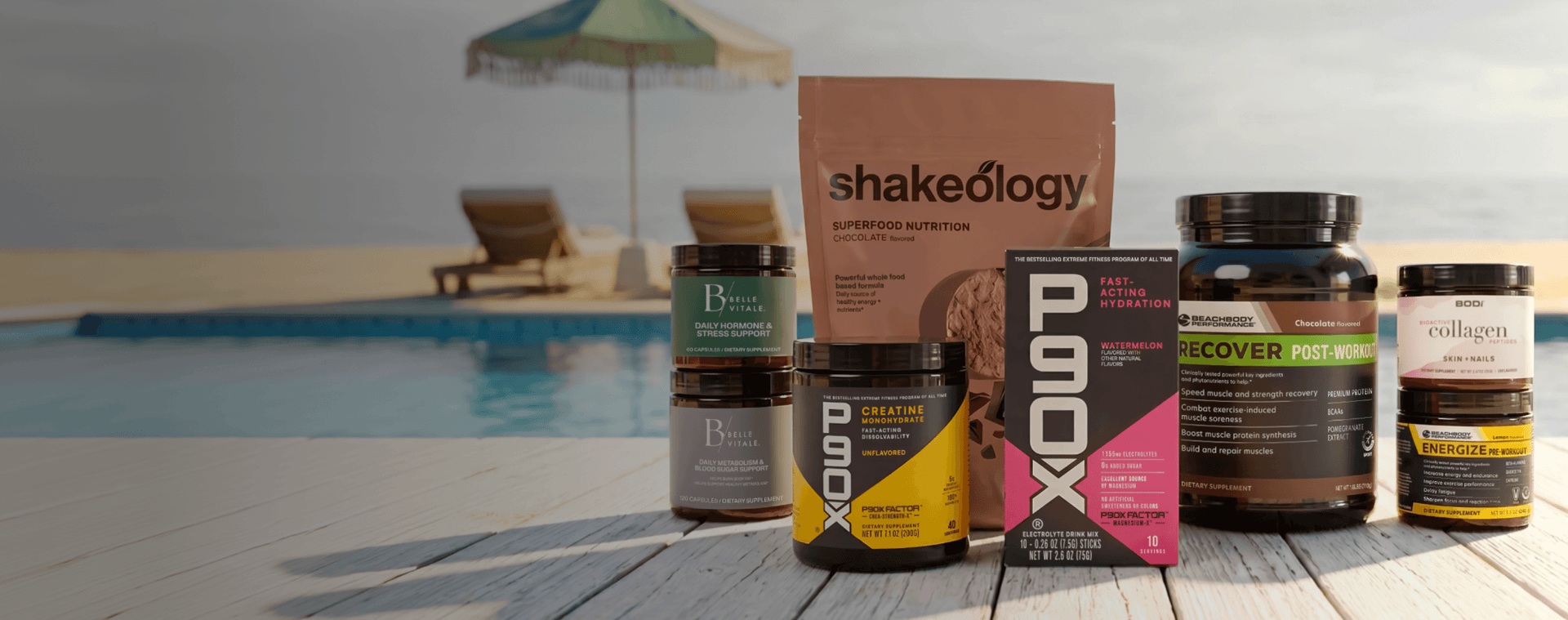
Retail changes the order of that relationship. Shakeology entered Sprouts in 2026 and reached nearly 500 Vitamin Shoppe locations in August. KeHE became a distribution partner. P90X expanded into supplements and, in October, ready-to-drink energy beverages. INSANITY Liquid Shock followed on October 21. Familiar workout names now compete for attention in a different aisle.
The transferable idea is to separate the asset customers value from the system that once delivered it. Beachbody kept its brands, trainers and programs while removing expensive distribution machinery. That approach depends on people recognizing and wanting the product without the old network. A retail listing alone cannot establish repeat purchases. For a business copying the move, the practical question is whether the product can explain itself at the point of sale. The old seller may have supplied motivation and context that new packaging must now replace.
The remaining tension is measurable. Second-quarter 2026 revenue was $49.6 million, down 22.4% year over year, while net income reached $1.4 million. Digital subscriptions stood at 760,000. Beachbody has made a smaller business more economical. The next test arrives when a shopper finishes that seven-serving bag and decides whether to buy another.