There is a stretch of America where the security-camera industry simply gave up. Out past the last power pole and the final bar of Wi-Fi - the calving barn, the water tank two miles from the house, the county pump station, the construction lot at the edge of nowhere. For decades the answer was to drive out and look for yourself. Barn Owl Tech decided that was the market.
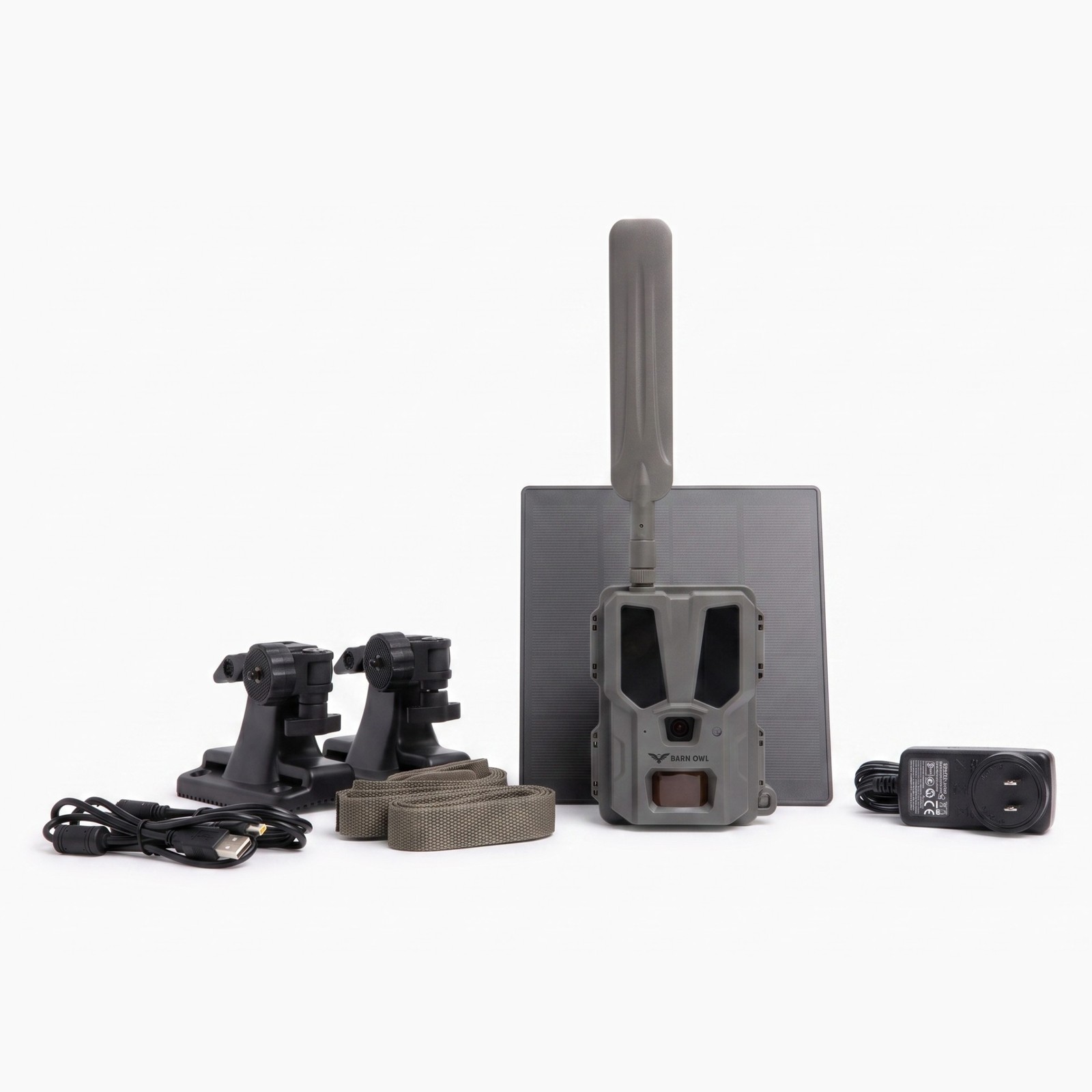
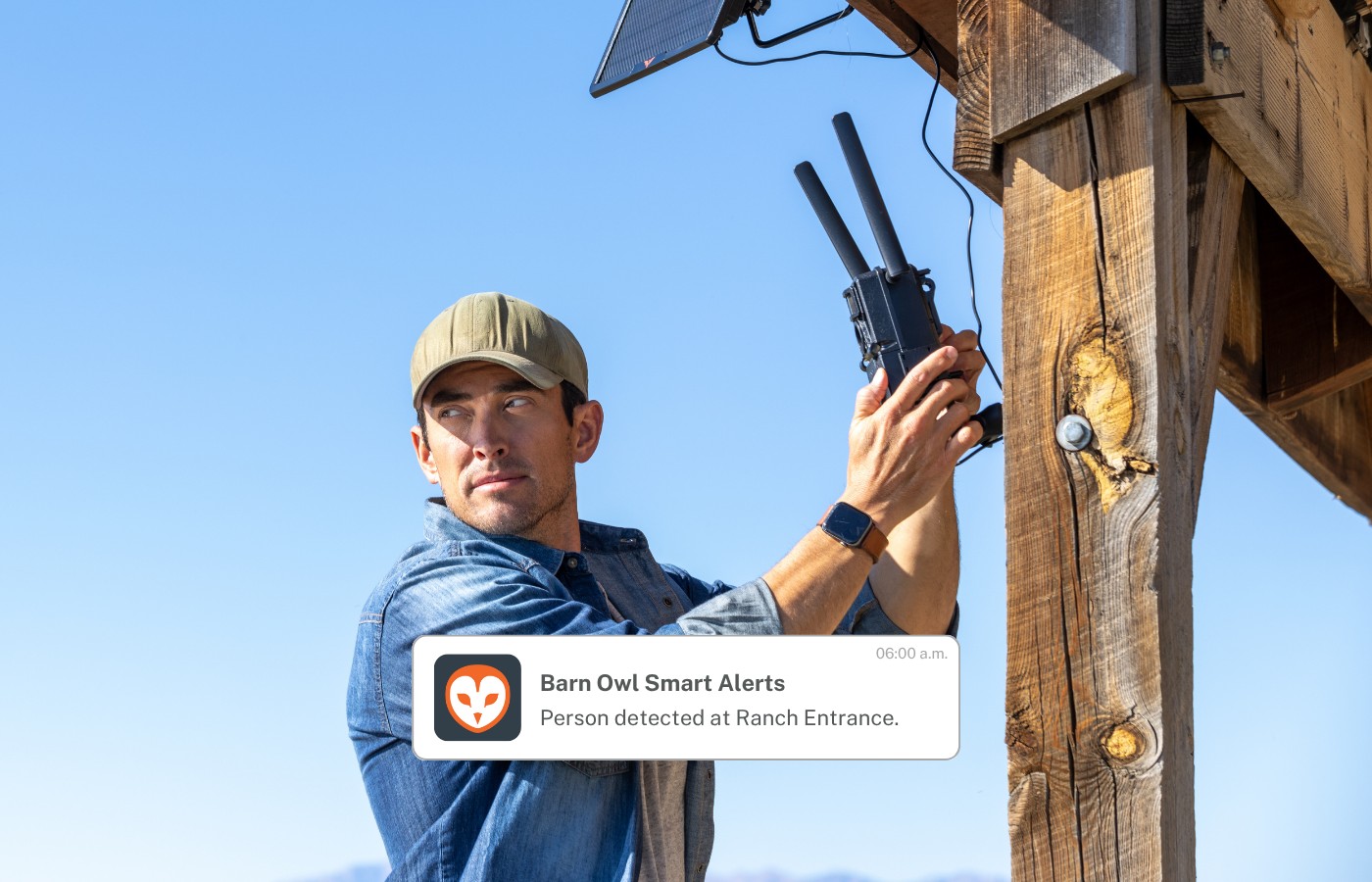
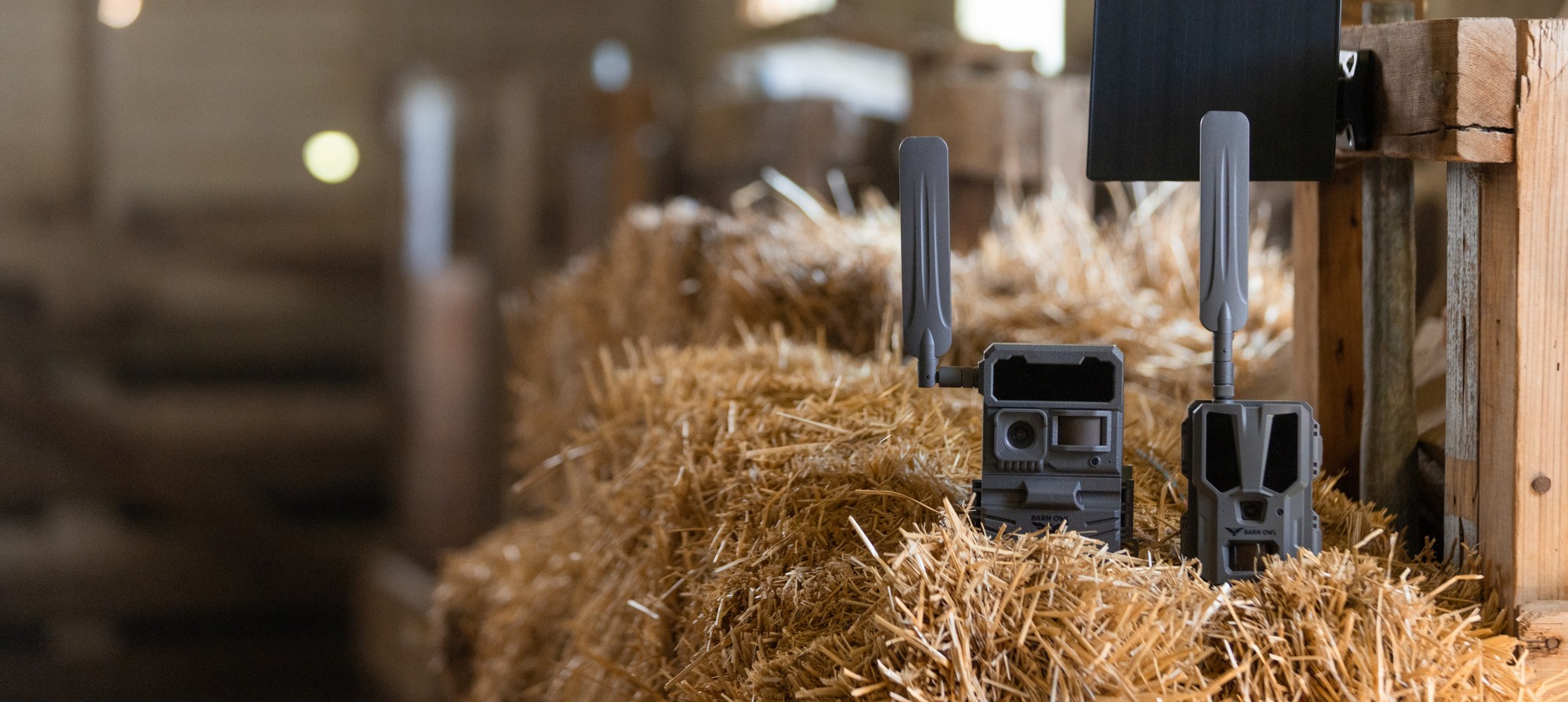
The Colorado Springs company makes solar-powered, cellular-connected cameras for exactly those places. No cords. No wires. No Wi-Fi. You bolt a camera and a small solar panel to a T-post, and it sends HD photos, video, and motion alerts straight to your phone over the cellular network. The pitch to a rancher is blunt: stop burning fuel and daylight checking on things that a camera can watch for you.
01The pivot that made the company
Barn Owl did not begin as a camera company. Founder Josh Phifer grew up in a ranching family in western Nebraska, then spent 20 years in the U.S. Air Force - flying fighter jets for a dozen of them - before retiring as a lieutenant colonel and earning an MBA at Wharton, where the company took its first steps inside the school's Venture Lab accelerator in 2016.
His first product idea was a water-tank sensor to spare ranchers the daily drive out to check water levels. He tested it with about a dozen ranchers across Wyoming and Nebraska. The feedback was enthusiastic, with one repeated caveat: nice sensor, but what we really want is a camera. So he built the camera instead, and Barn Owl relaunched around it in late 2017.
Customers say that the investment pays off very quickly.
02What it actually does
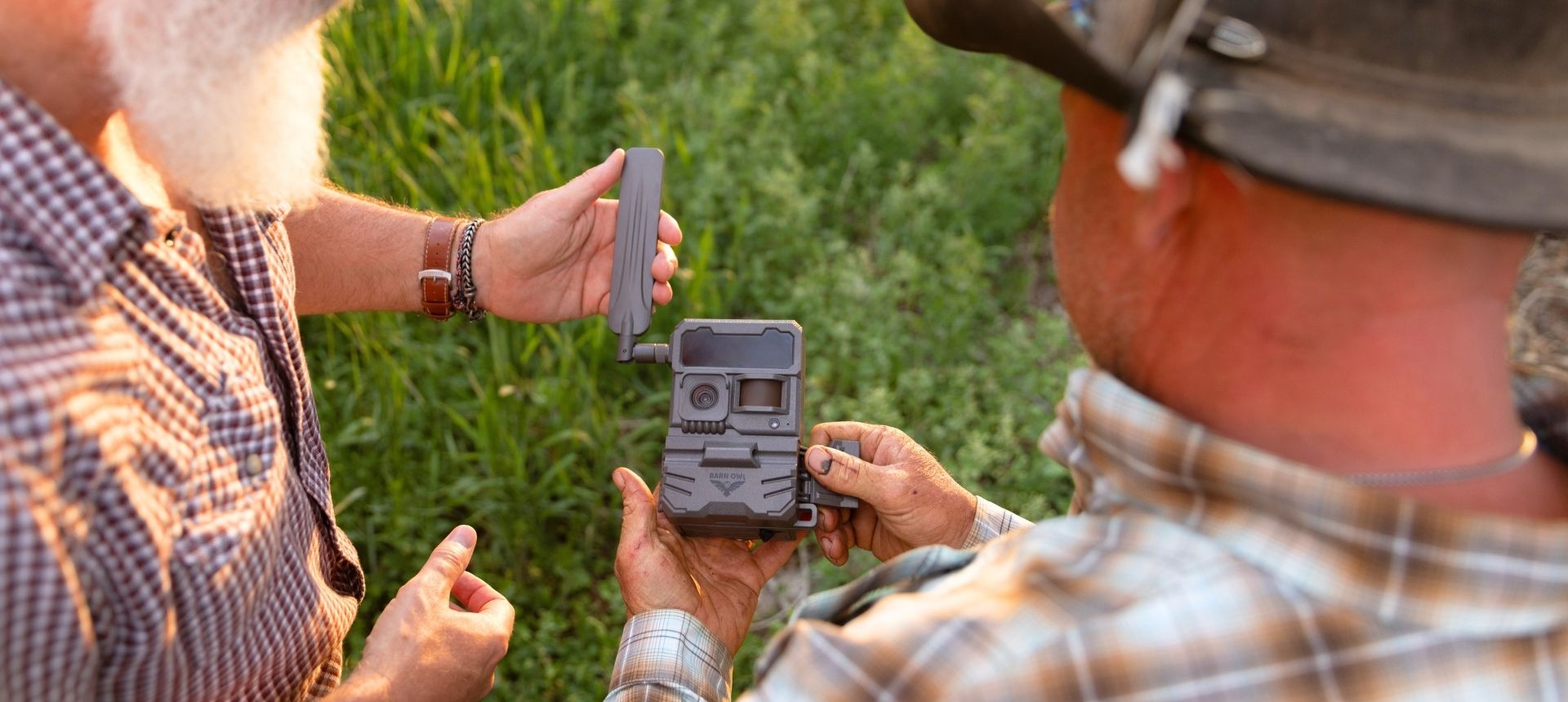
The hardware is only interesting because of where it works. Barn Owl's cameras are tuned to pull two to three more cellular bars than a typical phone, which is the difference between a useless gadget and a working one when you are standing in the middle of a section of grassland. The solar panel keeps it alive; the cellular chip keeps it connected; the app keeps you looking.
How an off-grid camera phones home
The uses map neatly onto ranch life: watching a calving barn overnight, keeping an eye on water tanks, managing game and wildlife, and guarding equipment and livestock against theft, predators, and severe weather. Install time is short - roughly five minutes, by the company's account - which matters when the camera has to go up on a fence line, not in a hallway.
03Who is buying
The customer base is wider than the "farm camera" label suggests. Alongside ranchers, farmers, and rural property owners sit construction firms watching job sites, military bases, county governments and public-works departments minding infrastructure, and wildlife preserves. The common thread is an asset that is valuable, remote, and otherwise unwatched - and a buyer who cannot run an extension cord to it.
04The business model, in plain sight
Barn Owl runs a razor-and-blades play adapted for the ranch. The cameras and solar panels are the up-front purchase; the recurring revenue comes from contract-free cellular data plans starting near $7 a month, with AI-powered motion alerts and analytics layered on top. It sells direct through its own online store and through a network of authorized dealers, and the whole thing is vertically integrated - camera, cellular data, software, and AI under one roof.
That contract-free promise is a quiet jab at the traditional security industry, which runs on multi-year lock-ins. Barn Owl's bet is that if the product genuinely pays for itself in saved trips and prevented losses, it does not need a contract to keep customers around.
05How it is different
Plenty of companies sell cameras. Consumer brands like Ring, Arlo, and Reolink own the doorstep and the driveway; cellular trail-cam makers like Spypoint, Tactacam, and Moultrie own the hunting blind. Barn Owl sits in between and slightly outside both - a security-and-service company aimed at working property rather than a gadget for the porch or a scouting tool for deer season.
The name is the thesis. A barn owl earns its keep by watching a field quietly and controlling what threatens the crop - a bird humans have long kept around precisely because it pays for itself. The cameras are meant to do the same job: silent, solar-powered, always on, and justified by the money and hours they save.
The barn owl represents an economically beneficial animal to humans. The company uses remote sensing technology to create the same kind of value - only pointed at the parts of the map nobody else covers.
06Where it fits in the market
Barn Owl is a small company - somewhere in the 13-to-16-employee range - punching at a large, fragmented market: security for agriculture, government, and industry in places the grid never reached. It raised roughly $2.4 to $2.7 million in venture funding from backers including FirstMile Ventures, the Colorado Impact Fund, and Crawley Ventures, and in June 2024 took non-dilutive growth capital from Cypress Growth Capital to push harder into agriculture, municipal, and military markets.
We were seeking a partner who could provide guidance and support based on experience leading and building industrial tech companies.
The company is veteran-owned and operated, keeps its support team in the U.S., and extends military discounts to the armed-forces community - details that are as much positioning as principle for a brand selling into ranch country and defense installations alike. Whether Barn Owl becomes a household name is beside the point. It found a slice of the market everyone else skipped, built hardware honest enough to work there, and turned "we gave up on that place" into a business plan.