ai-detection
(8)
The Fighter Pilot Who Traded Jets for a Camera That Watches Your Back 40
A retired fighter pilot from a Nebraska ranching family set out to build a water-tank sensor. His customers told him what they actually wanted: eyes on the land, no Wi-Fi required.
Alon Yamin
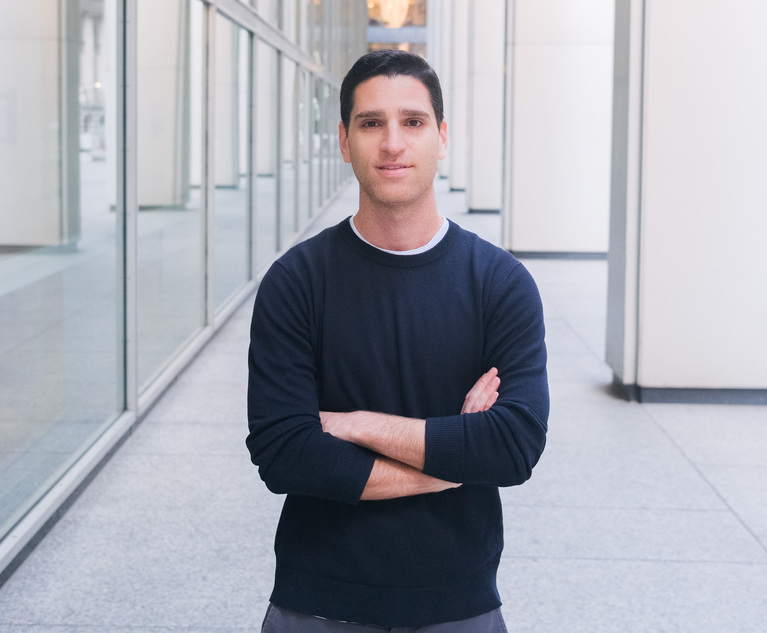
A copied website gave Alon Yamin a problem to solve. A decade later, Copyleaks sits at the uncomfortable intersection of authorship, software and trust, trying to show where machines end and human judgment begins.
Edexia
Edexia is a Brisbane-founded, Y Combinator-backed (W25) AI teaching assistant that grades essays and written work in each teacher's own marking style. Built for secondary English across IB, VCE, HSC, QCE and WACE curricula, it learns from teacher corrections to deliver consistent, rubric-aligned feedback, cutting marking time while keeping educators in control of every comment before it reaches a student.
Pangram Labs
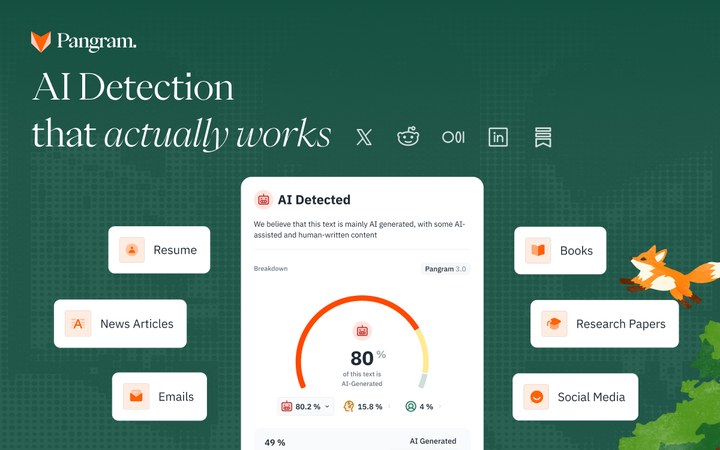
Pangram Labs builds AI-content detection software that identifies text written by models like ChatGPT, Claude, Gemini and Grok. Founded in 2024 by Stanford classmates Max Spero and Bradley Emi, the New York-based startup claims third-party-verified accuracy above 99.9% and a roughly 1-in-10,000 false-positive rate, positioning itself as the reliable alternative to perplexity-based detectors. Its detector, browser extensions, API and LMS integrations are used across education, publishing, enterprise trust & safety and platform moderation.
Clarity
Clarity is an AI cybersecurity company that detects deepfakes, voice clones, and synthetic identities. Founded in 2022 by alumni of Israel's 8200 unit and Stanford, it began as a broad deepfake-forensics platform and has sharpened into hiring security - an end-to-end overlay that verifies applications, spots manipulated faces and voices in live video interviews, and flags proxy candidates before a fraudster ever gets onboarded. It raised a $16M seed in 2024 led by Walden Catalyst Ventures and Bessemer Venture Partners.
Max Spero
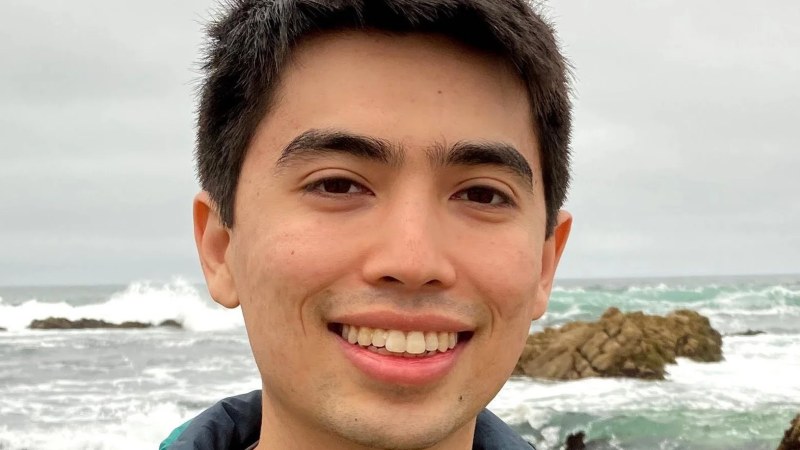
Max Spero is the cofounder and CEO of Pangram Labs, a New York based startup building the most accurate AI-text detector on the market. A Stanford-trained machine learning engineer who worked at Google, Two Sigma, Yelp, and the self-driving company Nuro, Spero co-founded Pangram in 2023 with college dormmate Bradley Emi to draw a clean line between human and machine writing. His obsession is the false positive rate: he refused to ship at one wrong call in a hundred and pushed his team to one in ten thousand. Pangram now powers AI verification for journalism platforms, schools, and trust and safety teams, and raised about $4M in seed funding in 2025.
GPTZero
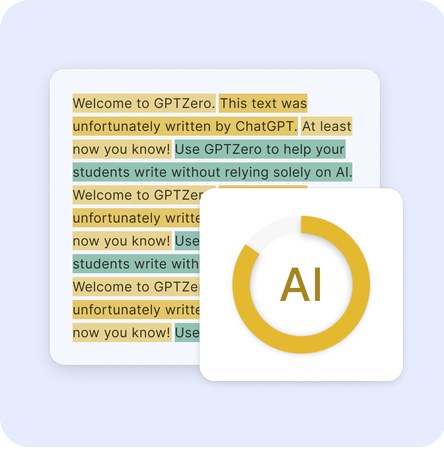
GPTZero is a New York-based AI startup that builds tools to detect AI-generated text and verify human authorship. Launched in January 2023 by Princeton senior Edward Tian, it grew from a viral side project into a profitable company serving over 10 million users and 100+ organizations across education, hiring, publishing, and legal. Its mission is to restore trust and transparency to writing on the internet as large language models flood it with machine-made text.
Edward Tian
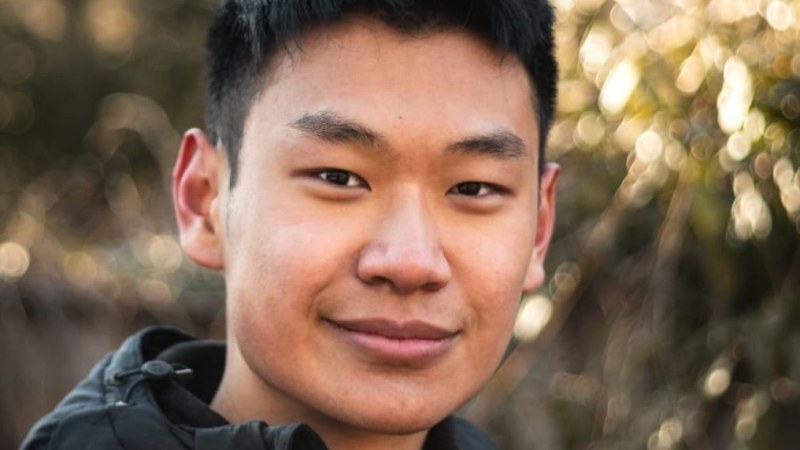
Edward Tian is the co-founder and CEO of GPTZero, the AI-detection tool he wrote in three days at a cafe over the 2023 New Year holiday while a senior at Princeton. Within days, tens of thousands of teachers swarmed the app and crashed its server. Two years on, GPTZero has raised $13.5 million, reached millions of users, turned profitable, and become a default check for educators, recruiters, and grant agencies trying to tell human writing from machine writing.