Somewhere between a health plan’s records and a member’s question sits a surprisingly consequential piece of software. It must recognize the person, find the right benefit, retrieve the claim, and explain what happened. If those steps live in separate systems, a short question can become a long afternoon. AVIZVA has built its business around that awkward space between knowing something and being able to do something useful with it.
- Custom engineering for health plans, pharmacy benefit managers, and third-party administrators.
- VIZCare connects healthcare data, internal operations, member experiences, and AI.
- The bet: useful self-service starts with the systems behind the screen.
The trouble starts between systems
Consider AVIZVA’s published work for Aflac Benefits Solutions. The challenge was exchanging healthcare information with external partners whose systems and data formats differed and kept changing. Bringing another partner aboard added another set of translations. The business needed a way to expand without making every connection a fresh engineering expedition.
AVIZVA describes an integration platform that tracks feeds and individual records through processing, audits their movement, and gives operations teams rules for handling errors. That last detail matters. Moving information is only part of the job. Somebody must see where a record stopped, understand why, and know what to do next. The exception needs a place to go.
Thirteen years, then a suite
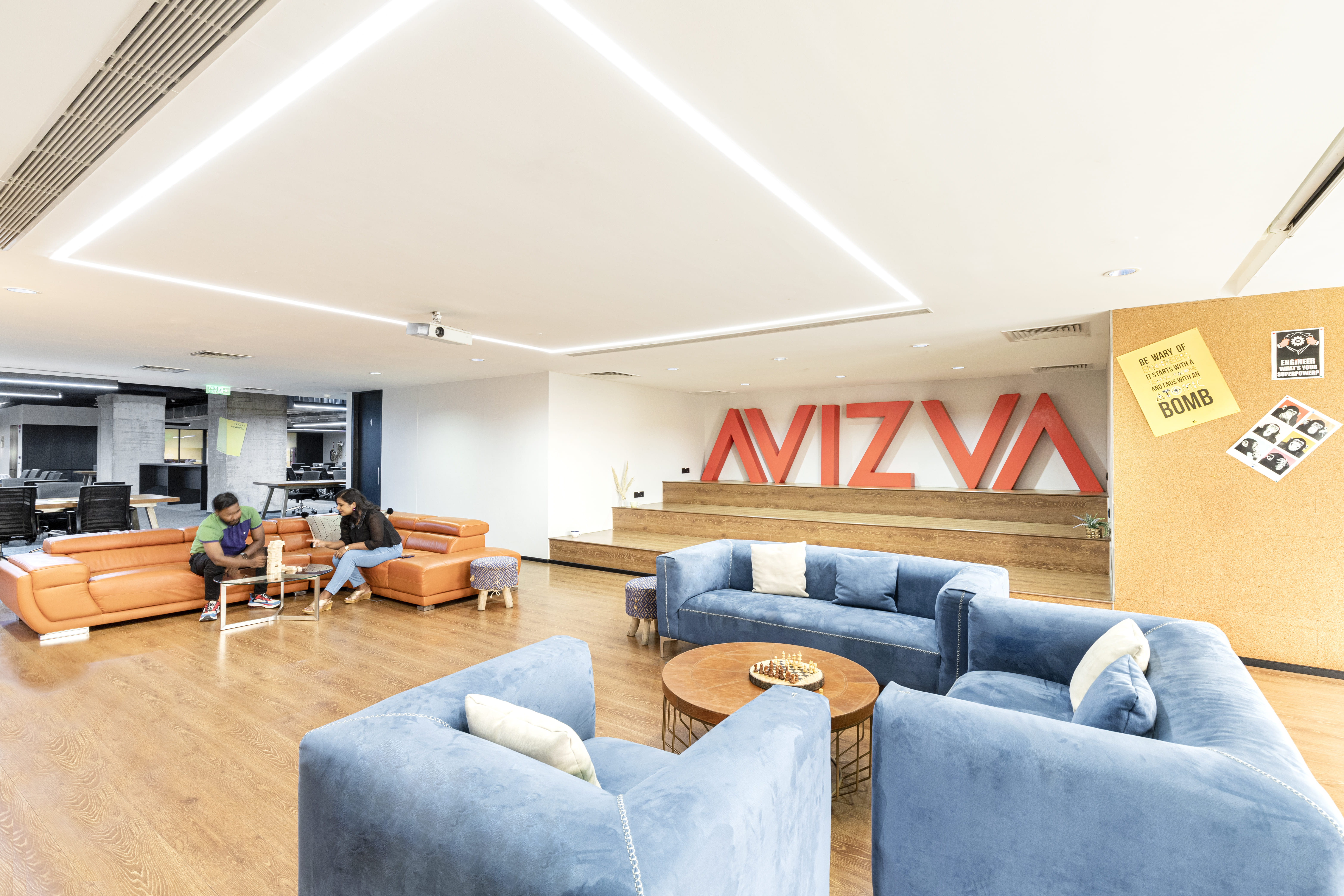
Founded in 2011, AVIZVA spent years engineering software for healthcare enterprises. Its portfolio includes portals, integration platforms, and tools for insurance and pharmacy workflows. In 2024, the company says it gathered those accumulated lessons into VIZCare, a proprietary product suite. The sequence is revealing: repeated assignments supplied the raw material for reusable products.
Custom engineering remains part of the offer. AVIZVA sells expertise in AI, interoperability, portals, and microservices, supported by design, testing, data engineering, and DevOps. It also describes proprietary development kits for recurring architectural work. Its position in the market is consequently quite specific: a healthcare software builder that can bring existing components to a customer’s particular problem.
tailored products reported by AVIZVA
A measure of engineering output, not a customer count.
Four pieces of one answer
VIZCare’s structure makes the underlying argument visible. Connect handles healthcare data exchange, synchronization, and orchestration. AVIZVA advertises more than 300 healthcare APIs, alongside transaction tracking and public reference datasets. Its support for file-based exchanges and modern interfaces acknowledges the mixed technical estate a healthcare organization may already have.
Empower is the internal workspace. Its stated remit stretches from sales and group onboarding to contact centers, service requests, workflows, and renewals. Xperience supplies the outward-facing portals and native mobile applications for members, providers, employers, and brokers. AI sits across the products, assisting with integration configuration, self-service, and operational tasks.
Imagine following a claim-status question through that arrangement. The portal needs records; the service team needs context and actions; the integration layer needs to supply dependable information. This is an illustration of how the pieces relate. It also explains AVIZVA’s appeal to payers, third-party administrators, and pharmacy benefit managers: their consumer experience depends on work happening well beyond the consumer’s screen.
An assistant with a permission slip
The current AI proposition is unusually concrete about authority. AVIZVA says agents act through authorized platform functions, with application permissions controlling which information they retrieve and which actions they perform. Designated decisions and exceptions can go to a person for review. The company also describes locally hosted models processing data within the customer’s environment.
“Autonomous Where Permitted”
AVIZVA’s description of VIZCare AI
“Governed Where Required”
“Human When Necessary”
Those boundaries make the product easier to picture. In AVIZVA’s example, a member asks whether a claim can be appealed. The assistant finds the claim, checks the available route, and presents a form. In a service workspace, assistance can draw on a call transcript while exposing linked records for verification. The useful unit is a task with a checkable next step.
Make the choice understandable
AVIZVA’s Connecture work supplies another example. Medicare shopping requires people to compare plans against their own health needs. The published case study describes a carrier-neutral experience built around a beneficiary profile, tailored recommendations with reasons, comparison tools, and a streamlined enrollment form. The software’s job includes helping a person understand why an option appears.
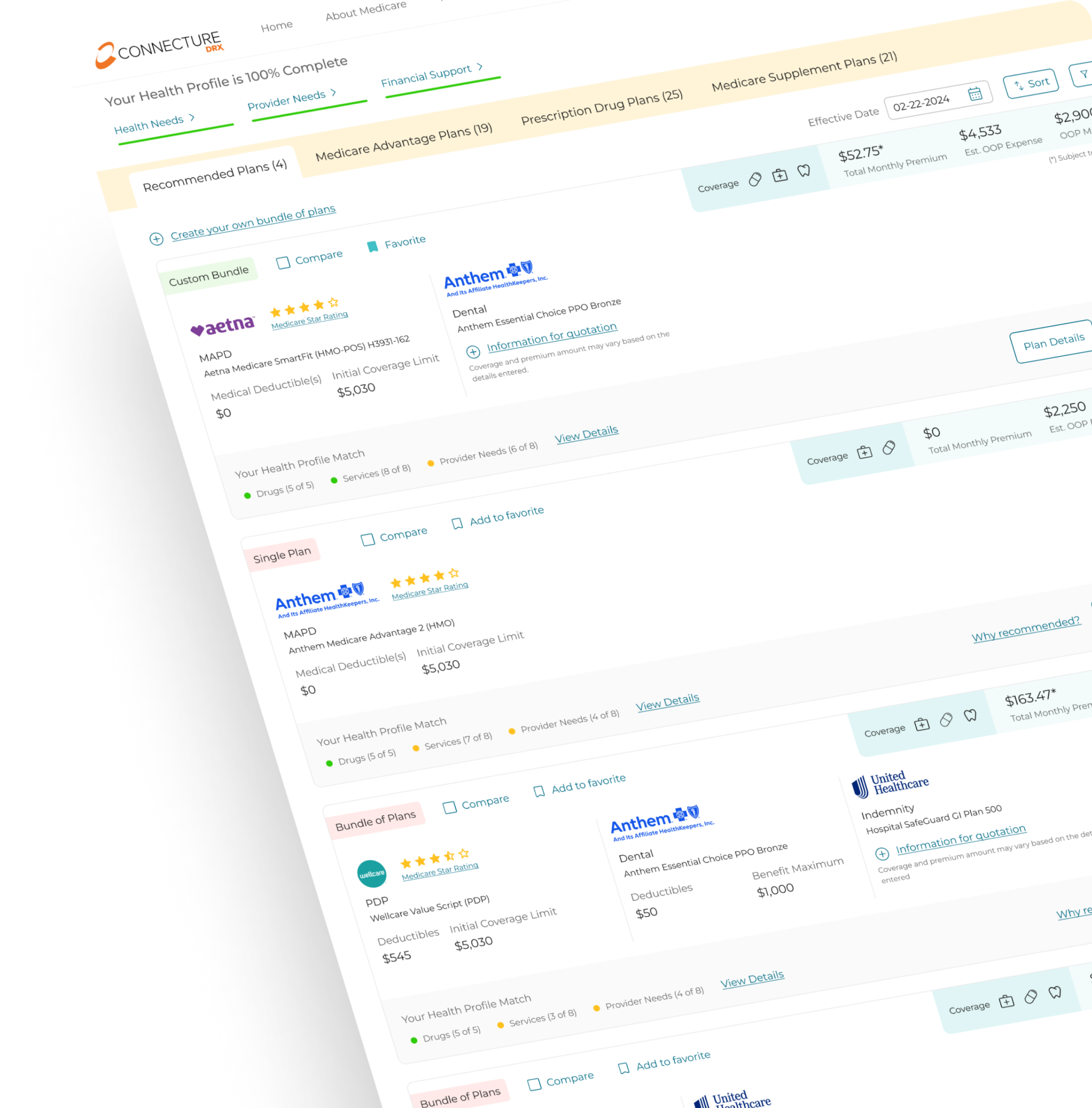
That combination of data work and interface work is the company’s differentiating pitch. An integration vendor can connect systems; a portal vendor can supply a front door. AVIZVA offers engineering and products across both, plus internal operations. Whether that breadth is valuable depends on the buyer’s existing software and how much of the journey needs rebuilding.
Buy the workflow, check the exceptions
The commercial approach is enterprise-led: demos, sales conversations, products, and engineering engagements. Empower offers Foundation and Advance bundles. A sensible evaluation would begin with one consequential workflow and its exceptions, then establish the configuration, integration, security, and ongoing service effort required. The purchase decision needs a working path through the customer’s actual systems.
Leadership has followed the same product priorities. In January 2025, AVIZVA appointed former EBMS chief James Vertino as CEO, with an announced focus on interoperability, consumer experience, and AI. Its company pages describe mentoring and an internal innovation community called Game Changers. Both fit a business trying to preserve delivery knowledge while making it reusable.

The transferable lesson is practical: choose a complete task, make the data accessible, define the authorized actions, and give failures an owner. Poor records or inaccessible systems can still defeat a polished interface. AVIZVA’s proposition rests on getting those dependencies to cooperate. For the member waiting on an answer, that cooperation is the product.
Website ↗ · Company journal ↗ · News ↗
LinkedIn ↗ · Instagram ↗ · Facebook ↗
WATCH THE WORK