KICKER makes car and marine audio equipment. Its logistics problem was considerably less musical: products bound for Eastern customers were taking the scenic route. Containers arrived in Los Angeles, traveled by rail to Dallas, then went to the company’s warehouse in Stillwater, Oklahoma. Orders subsequently headed east again. The speakers were accumulating quite a travel diary before anybody turned them on.
- Averitt combines freight, warehouses, dedicated fleets and global logistics.
- KICKER’s revised distribution cut LTL fulfillment miles by about 67%-75%.
- The lesson: price the whole journey before negotiating one leg.
A warehouse in the wrong place
Growth made an acceptable arrangement awkward. Stillwater was operating at or near capacity; Eastern orders carried extra miles and multi-day transit. That is the pressure described in Averitt’s published KICKER case. The intervention started with a map.
Averitt helped redirect a large portion of cargo through Charleston. Containers moved from Wando Welch Terminal to its North Charleston facility, where goods were unloaded, inventoried and prepared for fulfillment. Eastern customers were suddenly closer to the stock. In some cases, next-day or two-day delivery replaced journeys of three days or more.
Los Angeles → Dallas → Stillwater → Eastern customers
Charleston port → North Charleston fulfillment → Eastern customers
Reported project result; not total cost savings.
The reported reduction concerns LTL fulfillment mileage, not the entire import journey or an equivalent percentage off the bill. Nevertheless, the case says total fulfillment costs fell. The practical insight travels well: a cheaper carrier cannot always rescue an expensive geography.
Three tractors, then a wider remit
Averitt’s own journey started with dry goods between Livingston and Nashville. Thurman Averitt founded the predecessor business in 1958 and incorporated Averitt Express in 1969. On his Nashville deliveries, he met dockworker Gary Sasser, who helped unload the trailer. Sasser asked whether he would sell.
In October 1971, Sasser bought a company with two associates, three tractors and five trailers. That purchase anchors Averitt’s anniversary celebrations. The subsequent additions reveal how a carrier became a supply chain business: truckload service in 1981, a centralized customer-service call center in 1995, logistics in 1996, dedicated contract carriage in 1997.

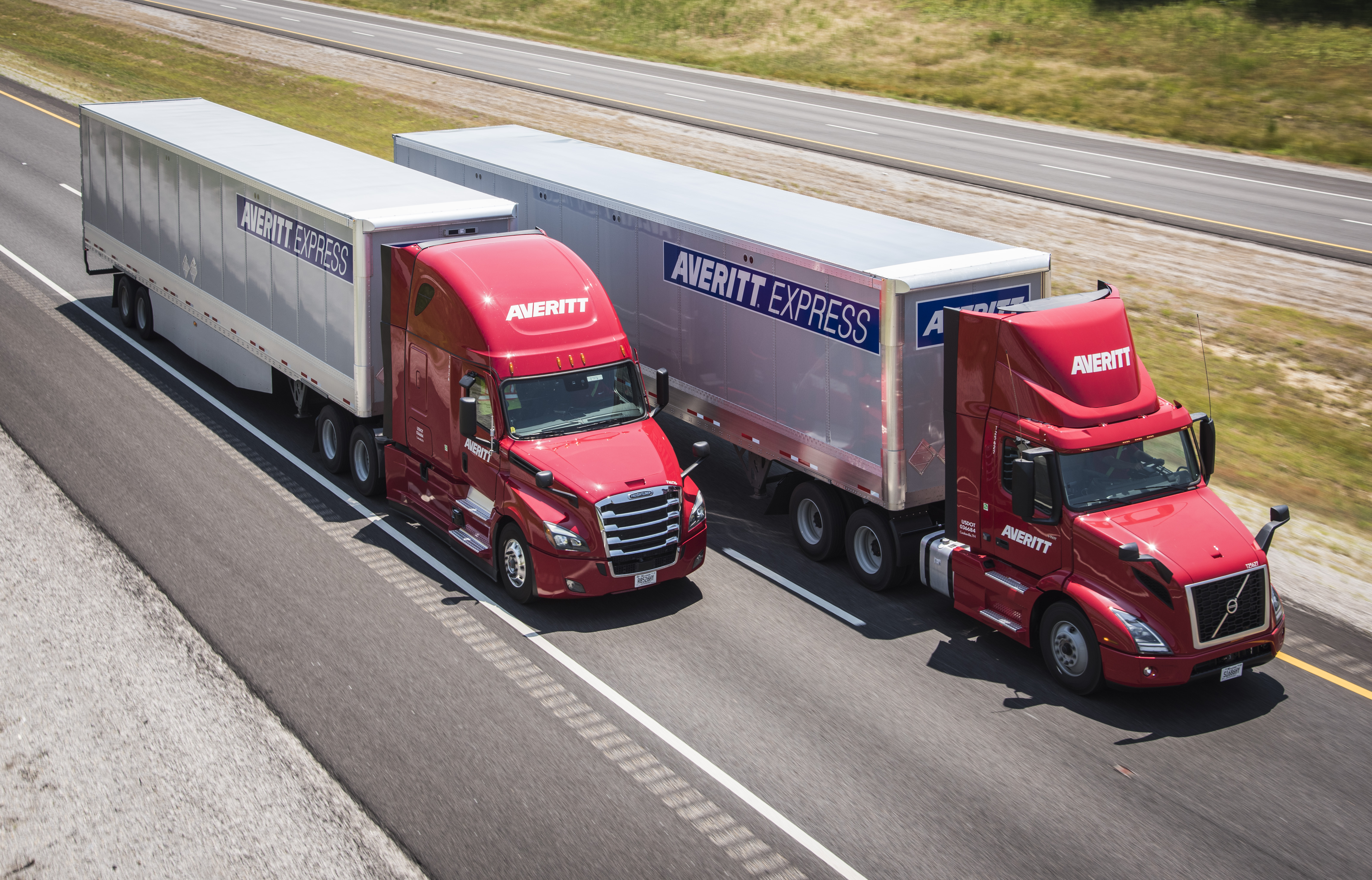
The expertise now extends from moving a pallet to managing a fleet or coordinating imported stock. Its asset-based network is rooted in the South; vetted partners extend the reach. Manufacturers, retailers and distributors can buy the individual service they need or connect several together.
A phone number is an operating model
Averitt calls the arrangement “The Power of One.” Behind the slogan sit five service groups: LTL, truckload, dedicated, distribution and fulfillment, and integrated/global solutions. LTL shares trailer space between shipments. Truckload supplies full-load transport. Dedicated operations take on drivers, equipment and fleet management. Warehousing adds inventory control, picking, packing and dispatch.
Customers pay for transportation and logistics services. Rates and arrangements depend on the job; a dedicated fleet is a different purchase from an occasional pallet shipment. Averitt Connect, its multicarrier quoting, booking and tracking software, is offered free. Freight still costs money, as freight has a tiresome habit of doing.
The company’s distinction is the combination of physical capacity and coordination. That needs a little precision: one relationship does not mean one carrier handles every mile. Its 2025 Best Overnite Express partnership added coverage in key Western markets. Estes also offers LTL and broader logistics; choosing between providers requires comparing actual lanes, handling and delivery requirements.
Consider Toshiba. A 2014 Averitt announcement reported that consolidation and pool distribution with PITT OHIO reduced transportation costs by 25%, while eliminating multiple same-day deliveries. The saving came from changing how deliveries were assembled. Coordination was doing economically useful work.
That coordination can include information as well as freight. With Cracker Barrel, Averitt’s dedicated transportation relationship expanded into load planning and visibility using FourKites. Imported retail products can be tracked through the supply chain instead of disappearing between the ship, the port and the distribution center. The benefit is a clearer answer to the everyday question of where the order went.
The retirement account in the cab
Coordination also depends on people who remember how an operation works. Averitt’s profit-sharing statement says 20% of monthly company profit is set aside for associates and deposited into their 401(k) accounts. The plan dates to 1984. Internal promotion and associate development are explicit parts of its culture.
“My favorite part of this facility is the location.”Michael Perry · Nashville warehouse site manager
The pay is concrete, too. In July 2026, Averitt announced a regional-driver mileage rate of 66 cents, effective August 9, up from the previous 64-cent top rate. Hazmat loads earn an additional $25. These are operating inputs behind the pleasant promise of reliable service.
Concrete is expensive; detours are too
In August 2026, Averitt opened a 100,000-square-foot Jackson-area warehouse beside its existing 57-door LTL center. Customers can use contract-free space for seasonal stock, overflow or emergency staging. The proximity lets storage and transport meet without requiring the shipper to orchestrate another distant handoff.
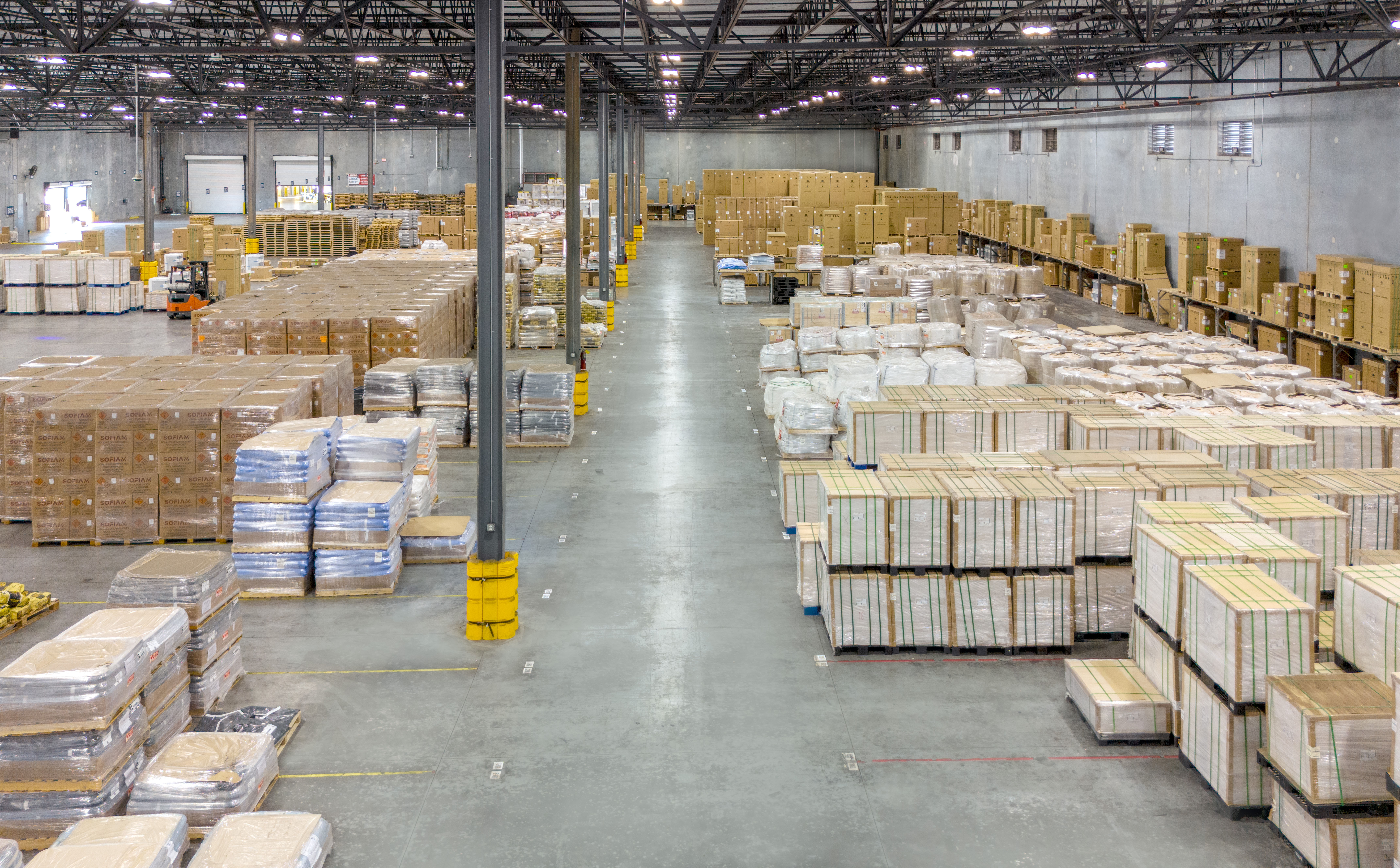
A proposed Louisville-area campus will bring all five service groups together. Kentucky’s governor said the investment could exceed $113 million, with numbers still being refined. Completion is expected in 2028. Integration has an address, and a substantial construction bill.
International reach comes through integrated services, including ocean and air transportation, customs coordination, cross-border movements and port logistics. A business can connect those services to domestic warehousing and delivery. Checking the proposed route remains essential: the relevant capability is the one available for your shipment, on your timetable, with your handling requirements.
Borrow the map before the fleet
For a shipper, the copyable move is to plot destinations against inventory locations, then price transport, storage, handling and stock together. Test selected lanes before shifting the network. Watch delivery time, damage and total cost, rather than celebrating a shorter road on its own.
This is an inference from the cases, not a promised saving: dispersed demand or insufficient volume can erase a regional warehouse’s advantage. Extra inventory and handling must earn their keep. Averitt’s useful question is wonderfully unromantic: why is this box here, when the person who wants it is over there?