In August 2017, a freight broker announced that it had become a software builder. R2 Logistics had interviewed transportation management system vendors, then decided to make its own. Consider the small rebellion involved. A company paid to arrange trucks was now taking responsibility for the screen on which customers arranged them. Somewhere between the loading dock and the invoice, it had found a second shipment worth managing: the information.
- R2 arranges freight across carriers and transport modes.
- Its own TMS brings rates, booking, tracking and reporting together.
- Dedicated account support handles the questions a dashboard leaves behind.
Ben Gase founded R2 in 2007 with customer service as the priority. His biography says the business grew organically without private equity. That is a useful detail in an industry where scale can be purchased. R2’s proposition depends on knowing a shipper’s work well enough to coordinate it, then giving that shipper a clearer view of what is happening.
There was a geographic decision, too. R2 opened a Dallas sales office in 2012 with three employees. By 2017, it had forty and announced a 10,000-square-foot operations and sales headquarters. Gase pointed to the local talent pool and the convenience of supporting the branch network from Texas. The expansion put people closer to the work of selling, sourcing carriers and managing shipments.

The software R2 decided to own
The 2017 launch included order management, load tendering, tracking, routing and analytics. The problem was scattered information: customers had pieces of their supply chain stored in different places. Bringing those pieces together could make a decision faster and spare someone another round of emails. The interface was part of the service.
“We interviewed a lot of TMS providers and ultimately decided we were better off creating our own.”
Ben Gase · TMS launch, 2017
Today, R2’s feature list gets pleasingly specific. Customers can compare negotiated carrier rates, request spot quotes, book shipments and examine carrier performance. Freight invoice auditing compares the bill with the approved quote. R2 also offers API and EDI connections, including shipment-status and invoice data. Even AS400 appears on the supported-data list. Modern freight still has to get along with older computers.
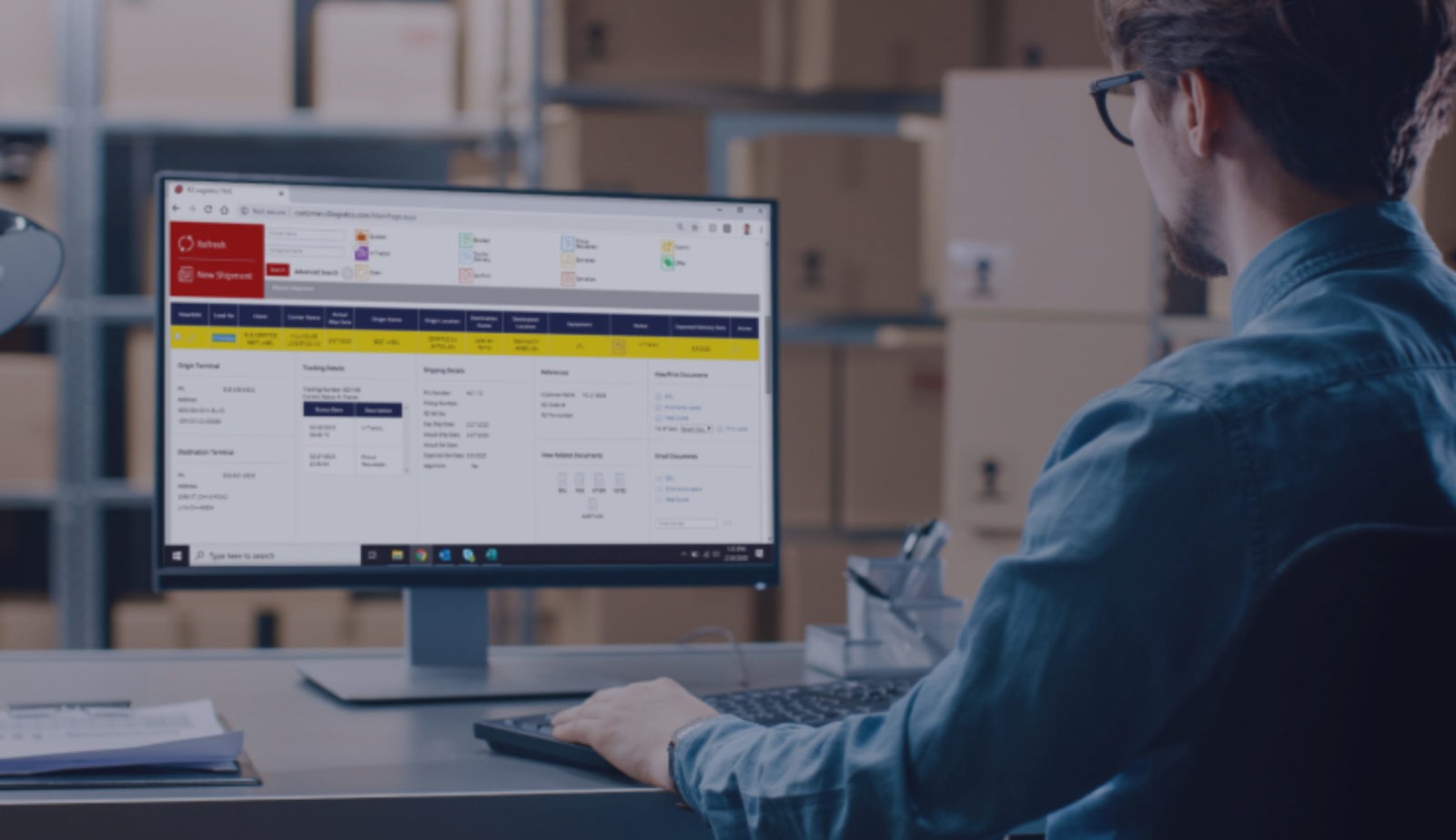
Owning the system does not mean building every ingredient. R2 lists MacroPoint, FourKites, FreightVerify and 10-4 Systems as visibility partners. Its truckload service describes RMIS monitoring for carrier authority, insurance and safety. The arrangement combines R2’s workflow with specialist tools. A useful product can have several authors.
What a late pallet can interrupt
R2’s customers span family businesses and Fortune 500 companies. Its industry list runs from automotive and food to healthcare, construction and lawn care. Chevron and ScottsMiracle-Gro are named relationships. The common problem is coordination: finding suitable capacity, meeting delivery requirements and keeping the paperwork intelligible.
An unnamed automotive supplier in R2’s case studies had unreliable pickups and deliveries with its previous provider. Missing parts could slow its customer’s production. Through R2’s TMS, the supplier gained access to multiple LTL carriers, including delivery-guarantee options, and better tracking. The lesson is practical: a shipping failure can become somebody else’s manufacturing failure.
- 01Describe
- 02Compare
- 03Book
- 04Track
- 05Analyze
LTL lets smaller loads share trailer space. Truckload handles a dedicated load, including dry or refrigerated freight. R2 also arranges intermodal, expedited and air, ocean, flatbed and specialized shipments, plus returns. Managed transportation extends the assignment to a mode, a location or a whole network. Customers can hand over more of the coordination as their needs grow.
That breadth places R2 between a shipper and a collection of transport providers. Its distinguishing proposition is the combination of proprietary software, carrier relationships and account support. A buyer can compare rates through the system and still ask a person to help choose the service. The useful test is whether that combination improves the buyer’s actual lanes.
A rate is only part of the bill
In another company-published case study, a food-and-beverage customer acquired a business with outdated supply-chain processes. Integrating R2’s TMS brought the enlarged operation into a shared view. R2 reports a 14% reduction in transportation spend. The customer is unnamed and the result belongs to that case; it is a reason to investigate the workflow, rather than budget an automatic discount.
Reported for one unnamed food-and-beverage customer after TMS integration.
Company-published case study · individual outcomeThe economics involve brokerage: a 3PL buys carrier services and charges the shipper, earning a spread, with management fees where applicable. R2 develops lane-specific proposals. A liftgate, unusual dimensions or temperature requirements can change the bill. Comparing quotes requires matching the work being quoted.
R2’s July 2026 cost comparison argues for counting internal staff, technology, claims and management attention alongside carrier rates. That is sensible purchasing discipline. It also concedes that insourcing can suit businesses with proprietary freight knowledge, strong internal teams or enough volume to negotiate directly. R2 competes with brokers such as C.H. Robinson and PLS Logistics, and with the customer’s own operation. The argument has to survive all three comparisons.
People behind the tracking dot
The service model keeps a dedicated account contact and round-the-clock availability alongside the software. CargoNet membership, dating to 2019, adds theft-prevention training and tools. R2 received CargoNet’s 2023 security award in June 2024. These arrangements address different questions: where a shipment is, who is carrying it and whom to call when something looks wrong.
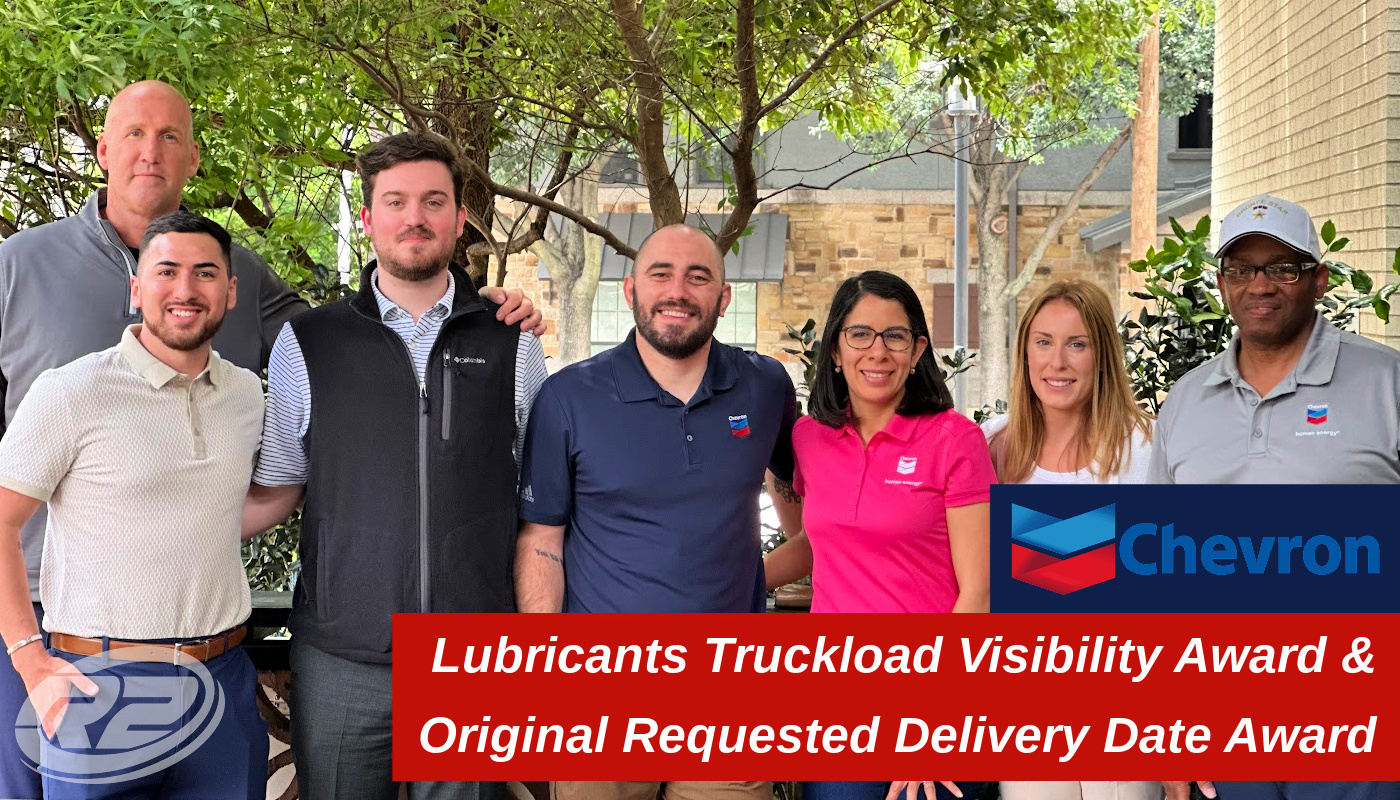
R2’s careers page describes small-group training, mentors and promotion from within. Katie Quinn’s path gives that last claim substance: she joined in 2013, held recruiting, administration and operations roles, and became CEO in January 2024. Gase remained owner and chairman. Running a service company requires people who understand how the work gets done.
Try a few lanes first
R2’s August 2026 onboarding guide recommends beginning with a subset of freight. Shippers supply lanes, volumes and commodity details; R2 develops rates and configures the account. Its stated timelines are roughly one to two weeks for straightforward LTL and two to four for more complex programs. Selected routes give both sides something concrete to judge.
For a reader managing freight, that is the copyable habit: let performance earn the next assignment. R2 placed seventh in Inbound Logistics’ 2026 readers’ choice Top 10. Its October capacity-planning guidance returns to carrier depth and backup options. Both fit the proposition. Freight becomes easier to manage when the choices are visible before the usual choice lets you down.