Ice cream is an unforgiving judge of logistics. It cannot admire a purchasing manager’s negotiating skills. It cannot applaud a discounted freight rate. Give it the wrong temperature on the journey to a grocer, and it delivers its verdict by changing shape. In one of RedStone Logistics’ published customer cases, that simple physical fact exposed a much larger organizational problem.
- RedStone combines freight brokerage, managed transportation, and consulting.
- Its customer cases connect shipping savings to changes in routes, workflows, and decision-making.
- The useful question: what does a delivery cost after the truck has been paid?
The ice cream had a management problem
A Pacific Northwest dessert producer had changed hands. Private equity ownership brought new leadership and a push for growth. According to RedStone’s frozen-food case, customer service was also managing the supply chain. Frozen less-than-truckload carriers were difficult to source, temperature control was troublesome, and warehouse locations needed attention.
RedStone reorganized deliveries, moving West Coast customers from shared LTL services to multi-stop truckloads. It also redesigned warehouse flows and introduced a locator system with training. The company reports transportation savings exceeding 30% over the engagement’s life. Those are its reported customer results, rather than a forecast for the next ice cream maker.
The revealing detail is the locator system. A freight problem had led back inside the building. You can negotiate handsomely with a carrier and still leave somebody searching for the product.
The wine buyer with one head and two jobs
Another case begins with a purchasing manager in Washington, DC, trying to oversee inventory and transportation. The beverage distributor handled wines and craft beers, with substantial inbound freight. RedStone found shipments from similar origins that could be consolidated in transit.
It negotiated pricing, changed modes where appropriate, managed shipments, and scheduled deliveries. At the first quarterly review, RedStone reported 19% savings on overall transportation spending. The manager gained something less photogenic than a percentage: room to concentrate on purchasing. The economics of logistics include the attention of the person who has been doing it between other jobs.
For an outdoor-equipment wholesaler, the change was different. A major supplier controlled inbound freight, leaving the distributor with inconsistent arrivals and little visibility. RedStone moved shipments from truckload to intermodal and monitored the containers, chassis, and rail-ramp constraints. Its published account reports savings above 20% per shipment, across an operation handling 2,200 shipments annually. Better arrival information also helped the receiving dock plan its labor.
Put the emergency on the calendar
Aggreko supplies power and temperature-control equipment. Its logistics problem included urgent machinery movements and fragmented transport management. In RedStone’s account of the relationship, familiar carriers had become the default, and emergency responses needed more structure.
“With every shipment, we were almost starting from scratch; we were constantly in reactive mode.”
Chad Thibodeaux, Aggreko National Transportation Manager, in RedStone’s case study
RedStone centralized procurement, established pre-approved contingency providers, and deployed Latitude, its web-based platform for shipment data, tracking, exceptions, and reporting. It also consolidated vendor payments. Aggreko’s experience helped RedStone refine Latitude’s freight audit and payment capabilities. The customer was helping improve the machinery of the service it bought.
There is an appealingly ordinary idea here: decide whom to call before everybody is in a hurry. An emergency still arrives uninvited. The carrier list need not.
A rate is a number. A shipment is a system.
RedStone’s three businesses occupy different points in that system. Brokerage finds capacity for shipments, from dry vans and refrigerated trucks to flatbeds, rail, and oversized loads. Managed transportation adds ongoing planning, procurement, process design, and improvement. Consulting examines the network and helps implement the changes. A buyer can bring a particular freight movement or a wider operating problem.
The business model combines transactional brokerage with longer transportation engagements and consulting. For a prospective customer, the sensible comparison is the combined bill: freight, management work, internal labor, and the service failures that prompted the conversation.
A useful buying conversation would therefore start with a sample of actual shipments. Which required an extra phone call? Which attracted an unexpected charge? Which arrived when nobody was ready to unload? Treat those questions as an audit exercise, not an accusation. They make the service requirement concrete enough to compare with a provider’s proposal.
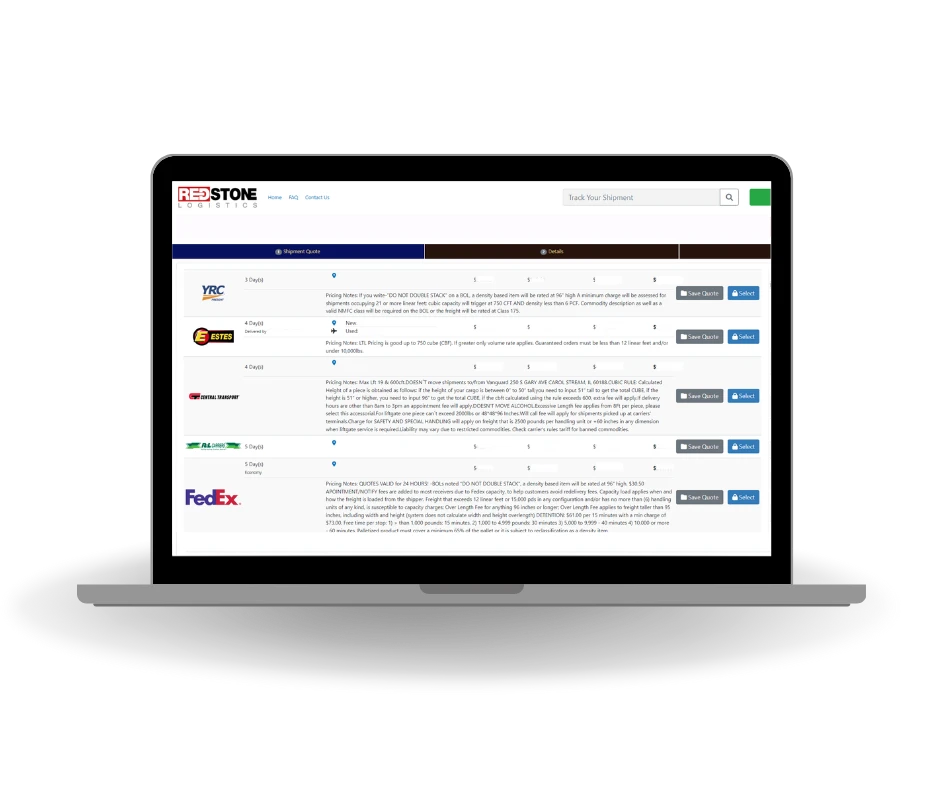
RedStone NOW, documented in a 2023 brochure, gives shippers quoting and booking tools alongside carrier selection, tracking, billing, and reporting. Latitude supports the more involved supply-chain work described in the Aggreko case. Software makes the information accessible; the service includes people responsible for doing something with it.
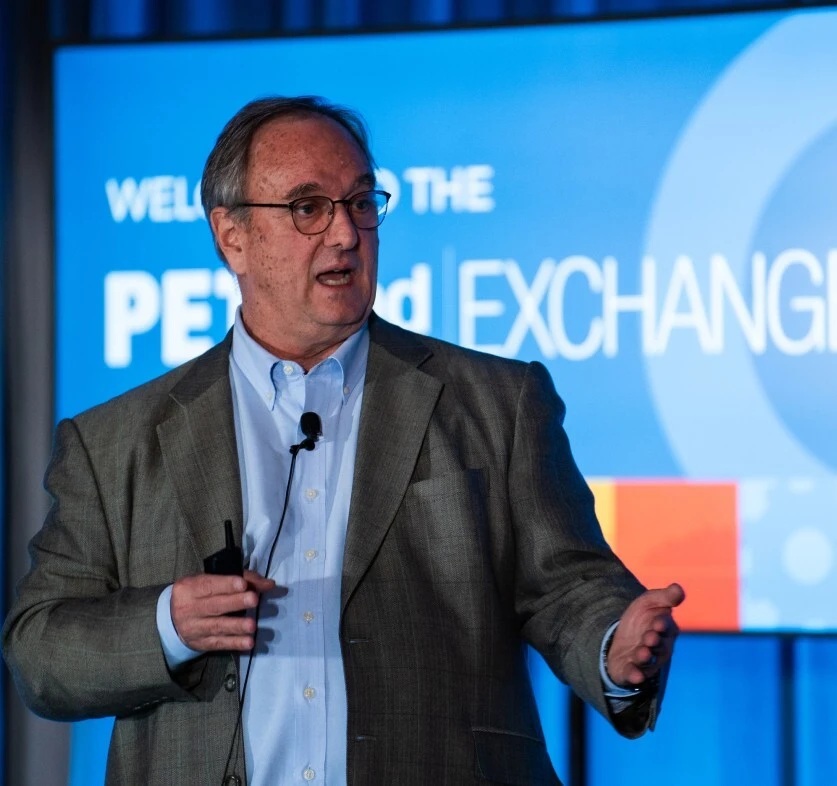
Founder and CEO Jim Ritchie built the company with logistics veterans. Its position is best understood as an operator offering technology and analysis alongside execution. That is a useful distinction when comparing an internal team, a freight broker, a managed provider, or software bought on its own.
RedStone’s 2025 announcement reported 58.8% revenue growth between 2021 and 2023. In July 2026, it announced its sixth consecutive selection for Inbound Logistics’ Top 100 3PL Providers. Its published values include “No Drama, No Suspense,” an unusually fitting ambition for a business entrusted with other people’s deadlines.
Borrow the questions before buying the answer
The cases suggest a practical exercise. Pick one troublesome lane. Map the order, warehouse, carrier, delivery, and payment decisions. Name the person who owns each. Ask whether compatible shipments can travel together, whether another mode fits the promise, and whether the backup carrier has already been checked.
The conditions matter. Rail requires suitable ramps and workable delivery windows. Consolidation requires compatible freight and enough volume. Frozen products require handling that protects temperature. These are implications of the operating changes, not universal recipes. Changing providers cannot make an impossible schedule sensible.
The comparison should survive a busy week. Ask who will handle a missed pickup, how the customer hears about it, and how the resulting charge enters the review. A savings percentage is more useful when somebody can explain the decisions that produced it and the service level it accompanied.
That discipline is copyable even without outsourcing. A business can put its own shipments under the same scrutiny, record exceptions, and revisit an inherited route. The first investment is attention to work that has become familiar enough to escape examination.

Start with the promise, then work backward to the transport. The bargain worth pursuing is a shipment whose economics still look good when it reaches the receiving dock.