Consider the difference between a scoop and a can. A scoop asks you to remember something, measure it, mix it and believe the effort will pay off. A can asks you to open the refrigerator. For ARMRA, which built its business selling powdered bovine colostrum, that small difference has become a large commercial question. How much of a wellness habit depends on what is inside the container, and how much depends on the container itself?
- Physician-founded in 2020, ARMRA sells concentrated bovine colostrum for people seeking gut, immune and broader wellness support.
- Its business combines online purchases and subscriptions with national retail distribution.
- A 2026 soda launch puts the ingredient into a ready-to-drink format. The biological claims still deserve a careful reading.
First, explain the cow
Colostrum is the first milk mammals produce after giving birth. ARMRA uses bovine colostrum, sourced, it says, from grass-fed cows on American dairy farms. The company describes its sourcing as calf-first: calves receive what they need before surplus is collected. That promise matters because the ingredient arrives with an obvious question. If this is a newborn animal’s first food, why is it in an adult’s shopping basket?
ARMRA’s answer centres on colostrum’s bioactive components, including immunoglobulins and other proteins. Its positioning connects those components with the body’s mucosal barriers and microbiome. Customers encounter a product marketed across several ambitions: digestion, immune support, skin, hair and workout recovery. The audience stretches across wellness shoppers, beauty customers and active people. This is a supplement business occupying several shopping aisles with one ingredient.
The doctor became the first customer
Founder and CEO Sarah Rahal came from pediatric neurology. According to ARMRA’s account, she trained at Columbia Presbyterian and held academic and clinical roles at Mount Sinai. Her interest became personal during a serious health crisis. She credits colostrum with helping her recovery. That is her account of her experience; it does not establish what another person should expect from a jar.
“I created ARMRA® to heal myself.”
Sarah Rahal · Founder & CEO
The response was practical as well as philosophical. Rahal says she spent two years developing the company’s low-temperature processing technology. ARMRA calls it Cold-Chain BioPotent and says it preserves delicate bioactives while removing casein and fat. The brand’s distinction rests on how it processes and presents colostrum, rather than on discovering the substance. It asks shoppers to value preservation, sourcing and a physician’s formulation choices.

Demand arrived before enough powder
An early constraint was decidedly unromantic: stock. In 2022, Beauty Independent reported that ARMRA had sold out three times during 2021. Rahal had bootstrapped the launch before raising institutional seed funding. An unfamiliar ingredient had found buyers; keeping it available became another job. For a recurring product, an empty shelf interrupts the very routine the company is trying to establish.
The current catalogue makes that routine visible. There are unflavored and flavored jars, portable sticks, bundles and mixing accessories. Performance Revival adds organic cacao, black cumin and tart cherry to the colostrum formulation. A customer can start with a simple powder, choose a fruit flavor or buy a preparation aimed at the workout occasion. Each version creates another reason to return to the same underlying ingredient.
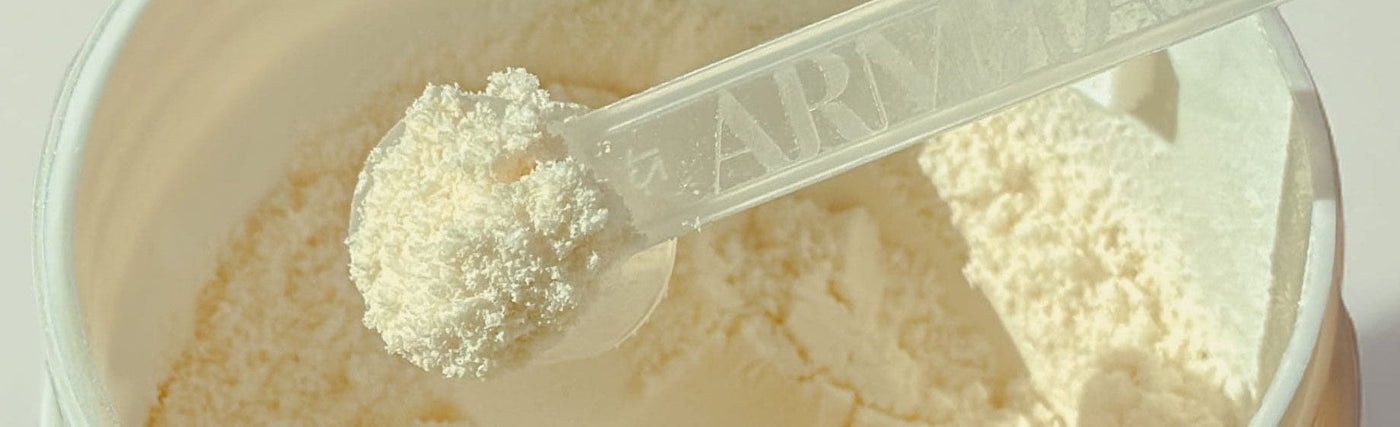
The economics become clearer at the serving level. At the time of research, the unflavored jar listed at $119.99 for 120 servings, roughly $1 per labeled serving before shipping or discounts. Unflavored travel sticks listed at $43.99 for 30 servings. Subscriptions offer recurring deliveries and discounts. These are customer prices, not a reconstruction of manufacturing costs; they show the premium shoppers are asked to make habitual.
Before shipping or discounts. No assumption of equivalent outcomes.
Then the scoop acquired bubbles
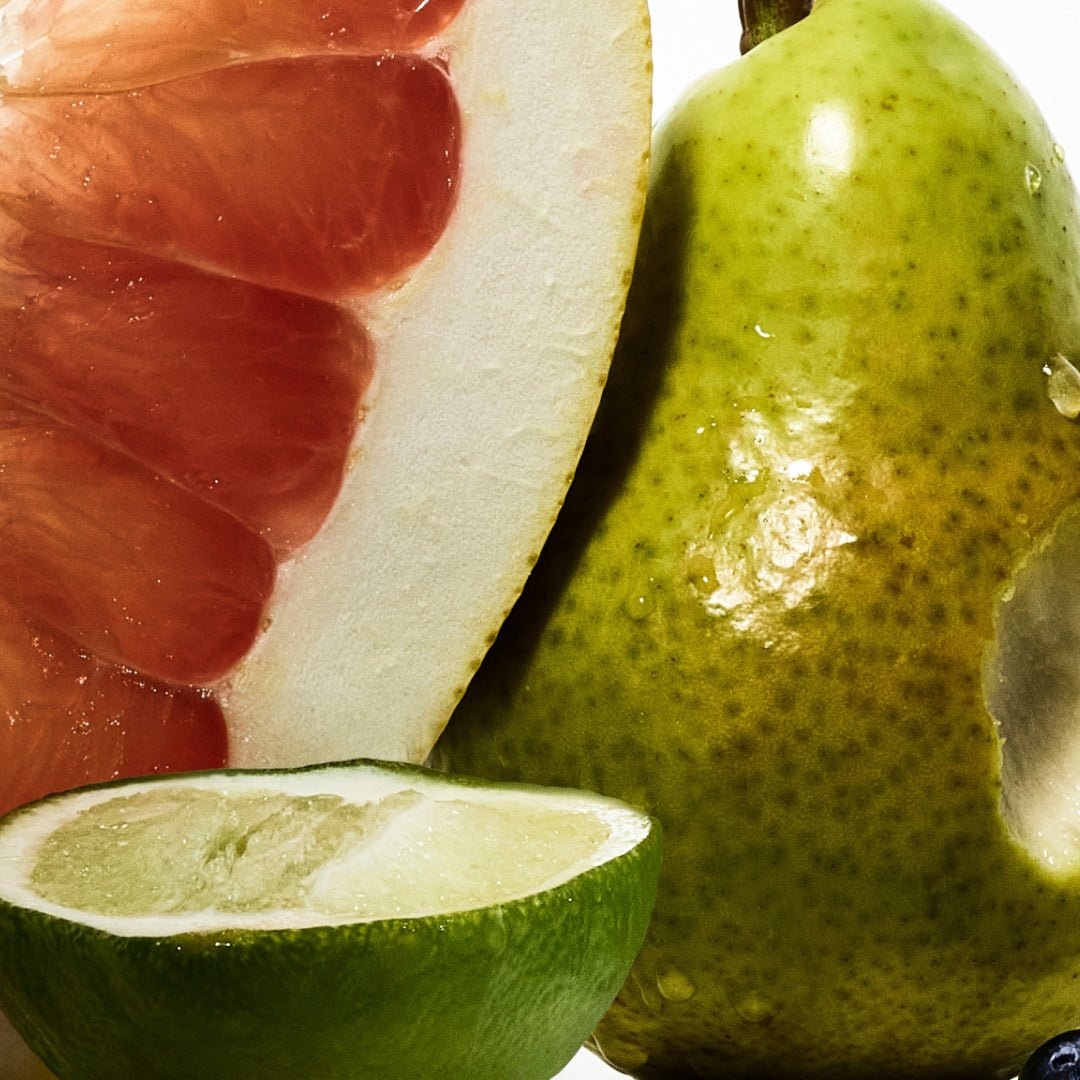
In April 2026, ARMRA introduced colostrum soda in Huckleberry, Pear Ginger, Spicy Lime and Pomelo Basil. The drinks contain no sugar or caffeine, according to their product listings. A 12-pack costs $49.99 online, approximately $4.17 a can. That places convenience at a substantial premium to a labeled powder serving. The new format also reaches a different moment: a cold drink can be an afternoon purchase rather than a morning assignment.
Distribution widened alongside the formats. A July company announcement put ARMRA in more than 7,600 retail doors and named Sprouts as the soda’s exclusive launch partner. Other distribution relationships included Whole Foods Market, Target, Ulta and Walmart. By September, Inc. reported 10,000 doors across the portfolio. Those are measures of availability. A retailer carrying a product does not tell us how quickly customers buy it or how often they come back.
Read the small print before the big percentage
ARMRA’s website advertises results such as less bloating and thicker hair. Its homepage qualifies those figures as findings from a three-month, open-label clinical research survey of 60 adults consuming two grams daily. Open-label means participants know what they are taking. Self-reported improvement can be useful, but that design cannot isolate the product’s effect with the confidence of a blinded, placebo-controlled trial.
Open-label · Self-reported outcomes
A useful distinction: a survey result is not a guaranteed benefit.
The ingredient has a wider research history. A 2024 systematic review of gastrointestinal applications examined 22 clinical trials involving 1,427 patients and found mixed results and limited evidence. Different populations, preparations and doses complicate any leap from colostrum research to a particular retail product. ARMRA also states that its products are not intended to diagnose, treat, cure or prevent disease. The distinction belongs in the buying decision, alongside flavor and price.
The part another founder can borrow
The transferable idea is the sequence. Give people a way to understand an unfamiliar ingredient, then give them several familiar ways to use it. Direct sales allow room for explanation; travel sticks remove preparation friction; soda adds an occasion. ARMRA’s competitors include other colostrum sellers, such as Cowboy Colostrum and WonderCow. The wider competition is every wellness purchase asking for a recurring place in a finite household budget.
The approach depends on customers finding enough value to repeat the purchase. It has clear limits for people avoiding animal products, and a milk-containing product is unsuitable for someone with a milk allergy. For everyone else, the useful question is wonderfully ordinary: does this earn its place in my routine? ARMRA has built several containers around that question. The refrigerator will supply a different kind of answer from the supplement shelf.
Keep exploring
Meet the products and the people behind them.