In 2019, the architecture firm Steinberg Hart had a cloud collaboration platform and a problem: making it useful. Clients and partners wanted Autodesk BIM 360. The firm needed help with the transition. Owning the software had settled remarkably little.
- ARKANCE USA sells AEC software and helps organizations implement, connect and use it.
- Its services range from project-specific training to custom code and outsourced BIM production.
- The company combines U.S. CAD and CADD Microsystems, united under the ARKANCE brand in 2025.
U.S. CAD, now part of ARKANCE USA, approached Steinberg Hart’s training one project team at a time. An initial two-hour session worked through tools people could apply when they returned to their desks. The published case records an expansion from one BIM 360 project to ten, and from five seats to 75. Those are historical adoption figures, not proof that the training alone caused the increase. But they suggest why a company might pay for something beyond a license.
“It’s a very measured methodology.”Gautam R. Shenoy, BIM/VDC Director, Steinberg Hart
A platform people began to use
Projects on BIM 360. Adoption count, not a financial return.
The trouble lives between the tools
ARKANCE USA occupies an easily overlooked corner of the construction economy. Architects, engineers and contractors buy applications to draw, model, coordinate and document work. Someone still has to decide how a model is organized, which information travels with it, and what happens when one team’s preferred application meets another’s.
That is the company’s territory. It supplies software from partners including Autodesk and Bluebeam, alongside consulting, training, support and development. Its audience includes civil infrastructure firms, public agencies, specialty contractors and building owners. Manufacturing is also part of its remit. The connective tissue is technical work whose information must survive a succession of people, platforms and project stages.
Building information modeling, or BIM, supplies a useful example. A digital model can hold more than geometry. It can help disciplines coordinate and carry information toward construction and operations. Yet a model does not establish a firm’s standards by itself. ARKANCE’s consulting menu includes BIM documents, Revit model reviews, templates and implementation packages. These are the rules and routines around the drawing board. They are less photogenic than the model, and often more immediately useful.
When the budget could not follow the project
LMC Construction offers another route into the business. The employee-owned contractor builds housing and commercial projects in the Pacific Northwest. According to ARKANCE’s customer account, its previous construction platform had become restrictive, particularly around financial integration with its enterprise resource planning systems. Customization and visibility into project costs mattered more as the work grew complicated.
The attraction of Autodesk Construction Cloud was practical: extended evaluation, configurable packages and a closer fit with LMC’s systems. ARKANCE helped with implementation, financial-side customization, workflow design and training. LMC also created internal learning materials. The reported outcome was better access to project information and more consistent processes.
The revealing detail is the decision criterion. A handsome demonstration would have been beside the point if the platform could not accommodate the financial workflow. For a buyer facing a similar choice, this case suggests an exercise: bring the awkward integration into the trial. Let the software meet the problem before the purchasing committee meets the sales presentation.
A small bridge for the wandering PDF
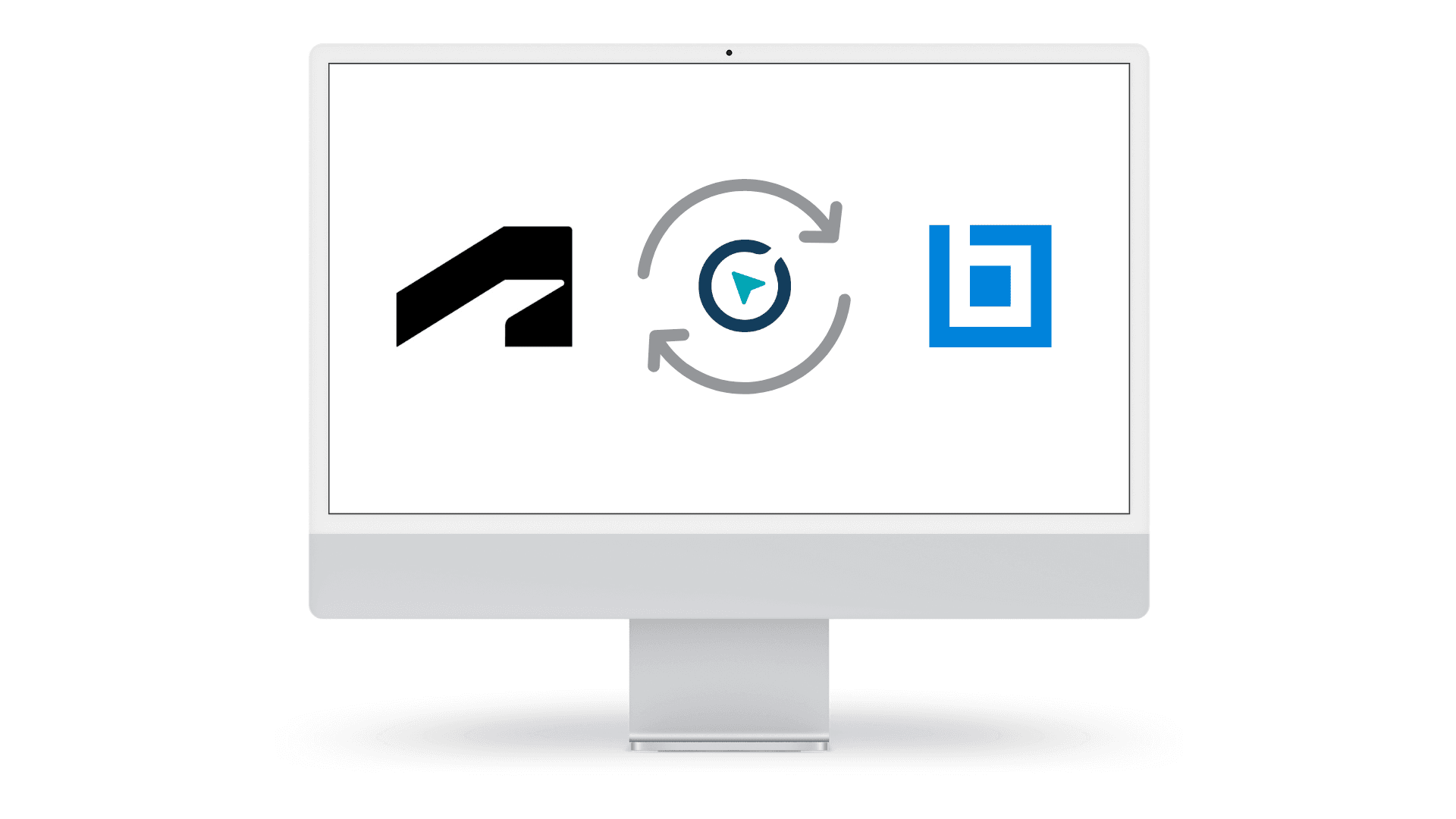
ARKANCE’s proprietary Be.Smart tools give the company another way to participate in customers’ work. Consider its Connector for Autodesk Forma and Bluebeam. The job is narrow enough to describe without a consultant: send PDFs into Bluebeam Studio for review, then return them with the markups intact.
The connector also automates slip sheeting, the revision process that replaces drawing sheets while retaining annotations. Its appeal is continuity. Teams can keep using familiar review tools while information moves between platforms. A PDF that has escaped into the wrong version can become a surprisingly social problem: everyone has an opinion about which copy is correct.
There is a boundary to this proposition. An integration needs compatible platforms, permissions and a review process people actually follow. That is an inference from the workflow, rather than a published result. Connecting two applications cannot settle a dispute about who owns the next action. The sensible buying question is whether the proposed connection handles your real revisions and your real responsibilities.
The invoice extends beyond the license
The business model follows the problem. Software subscriptions sit alongside paid training, packaged implementations, hourly assistance and ongoing services. ARKANCE’s technical support distinguishes complimentary Autodesk Account Assistance for subscription customers from paid contracts covering advanced issues such as model performance and cloud worksharing. Installation help and operational help are different purchases.
Four-day Revit 2027 Fundamentals for Architecture class, delivered online.
That published course fee makes one part of the cost visible. The scheduled class also requires working Autodesk software before it starts. A manager weighing training should count the participant’s time as well as the fee. This is a budgeting implication, not an additional charge quoted by ARKANCE. Four days of learning have to fit somewhere in a project calendar.
For firms short of production capacity, the company offers another kind of help: modeling, construction documentation, scanning, coordination and fabrication deliverables. Its BIM services include staff augmentation. Buying extra technical capacity is a different decision from buying a training course, even when both address the same backlog.
Custom development reaches further into a client’s systems. ARKANCE describes desktop plugins and cloud applications, including connections to ERP and CRM systems. Its development team includes people who began as architects and engineers. That background is relevant when the specification concerns how a drawing or model is used, rather than simply how a screen should look.
Two coasts behind a new name
The U.S. business has an older history than its current brand suggests. Daniel Counts dates U.S. CAD’s incorporation to April 27, 1999. ARKANCE acquired it in June 2023. In April 2024, ARKANCE and U.S. CAD acquired CADD Microsystems, bringing an established East Coast presence and government-sector experience into the combination.
The unification was announced on July 30, 2025; the company’s About page dates the brand union to August. Joint headquarters in Irvine and Alexandria reflect that geography. Behind the U.S. operation sits international ARKANCE, itself a Monnoyeur subsidiary. The structure joins local customer relationships to a wider pool of technical resources and proprietary products.
The competitive distinction is a combination, not an exclusive invention. IMAGINiT also offers Autodesk consulting and customized training. Buyers have alternatives. ARKANCE’s case rests on the particular expertise inherited from its predecessors, its platform partnerships, its production services and the Be.Smart portfolio. A procurement team can compare those against a defined job rather than judging the breadth of a brochure.
The next handoff is in the field
In March 2026, ARKANCE USA added a GoCanvas partnership, extending its offering into mobile inspections, safety reporting and jobsite documentation. Forms can capture photos, locations and signatures on phones or tablets. Here, the information starts on a jobsite rather than in a design model, but it faces a familiar journey back to the office.
The company also announced Autodesk’s 2026 Construction Cloud Partner of the Year recognition in April. Its September Autodesk University announcement emphasized connected data and AI readiness. These developments point toward a broader consulting role, while the customer examples keep the proposition grounded: configure the financial connection, teach the project team, preserve the markup.
The lesson a reader can borrow is modest and useful. Pick a troublesome handoff. Test it with actual project material. Teach the people who must perform it, then watch whether they use the result. A company can own an impressive collection of software and still lose information between two desks. ARKANCE USA has built its pitch around helping that information arrive.