The Story
Starting Where Others Stopped
The year was 1996. Amazon had been open for business for roughly a year. Google's founders were still at Stanford. And corporate America was just beginning to grapple with a quiet question: what do you do with all this old equipment?
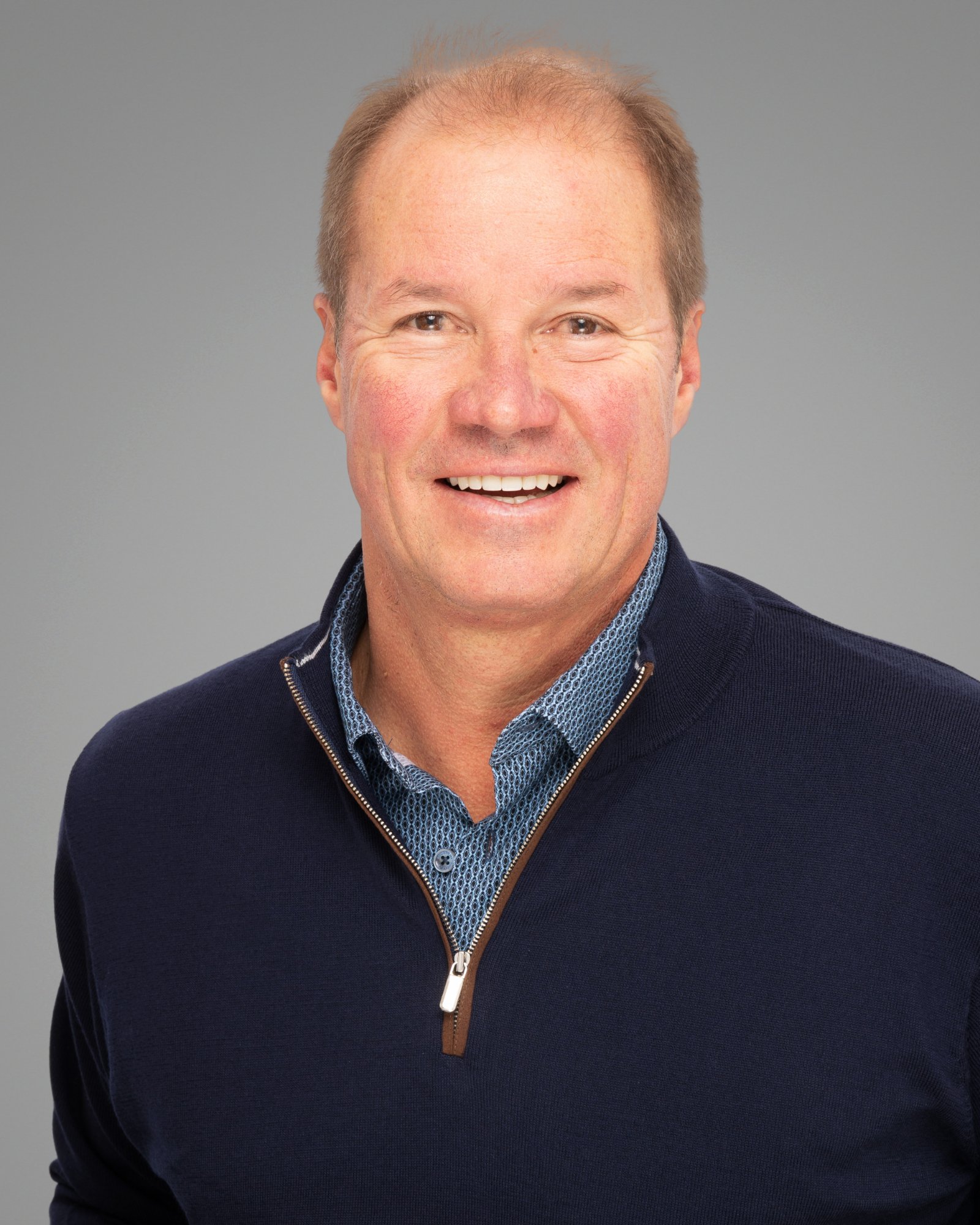
Andre Weiglein had an answer. He founded AER Worldwide in Fremont, California, on a premise that felt obvious in retrospect but was genuinely ahead of its time - that end-of-life IT assets weren't garbage. They were a supply chain problem. And supply chain problems had solutions.
A UC Berkeley graduate with a nose for new business development and a tolerance for complexity that most people avoid, Weiglein built AER around the intersection no one else was working: rigorous data security, genuine environmental compliance, and the logistics discipline to make both happen at scale across international borders.
The company he built doesn't just haul away old servers. AER provides certified data destruction with documented chain of custody, full remarketing and asset recovery to extract residual value, and recycling processes that recover commodity-grade copper, gold, steel, and plastics - all under the R2, RIOS, and E-Stewards certifications, three of the strictest standards in the industry.
We are eager to build connections and showcase the valuable contributions our organization brings to the local tech community.
- Andre Weiglein, on AER Worldwide's 2024 Oregon expansionThe Business
What Actually Happens When AER Takes Your Gear
Most companies know they need to do something responsible with decommissioned hardware. Few understand what "responsible" actually means in practice. Weiglein has spent nearly three decades making that complexity invisible to his clients while doing the hard work behind the scenes.
An enterprise contract with AER starts with asset tagging and pickup - AER handles secure transportation with full documentation from the moment hardware leaves a client site. From there, every asset gets evaluated: can it be remarketed? Does it need data sanitization (on-site or at a certified AER facility)? What commodity materials can be recovered?
The answer to "what happened to that old drive?" is never "we're not sure." Under Weiglein's framework, every device has a documented fate - a chain of custody that would satisfy a data-security audit. For clients in finance, healthcare, government, and defense, that paper trail isn't a nice-to-have. It's the product.
The Certification Stack Most Companies Don't Have
R2 (Responsible Recycling) is the baseline that serious ITAD companies pursue. RIOS (Recycling Industry Operating Standard) layers quality, environmental, and safety management on top. E-Stewards is the environmental premium tier, prohibiting export of hazardous e-waste to developing countries. AER Worldwide holds all three simultaneously - which is uncommon, intentional, and expensive to maintain. Weiglein chose to do it anyway.
The remarketing side of the business - buying, refurbishing, and reselling used enterprise components - creates the financial engine that makes the environmental mission viable. When a device can't be resold whole, it gets demanufactured into commodity streams: copper, gold, steel, and various plastics recovered and fed back into manufacturing supply chains. Zero-landfill isn't a marketing slogan at AER. It's an operational commitment tracked facility by facility.
Career Timeline
Thirty Years, One Direction
Leadership Stance
The ESG Statement Nobody Asked For - But Should Have
In July 2024, AER Worldwide did something rare for a mid-size B2B services company: it published a comprehensive Environmental, Social, and Governance statement. Not a bullet list on a website. A documented commitment covering carbon footprint reduction, energy efficiency, employee health and safety, fair labor practices, human rights standards, and ethical governance frameworks.
In an industry where you'd think environmental credentials would be table stakes, many ITAD competitors still operate without this level of public accountability. Weiglein chose to put it on record. The reasoning tracks with how AER has operated for nearly three decades: if you're going to do it, you might as well be able to prove it.
The social dimension of the ESG statement extends to how AER handles its workforce - training and development, fair labor, and a supply chain audit process that holds vendors to the same standards AER imposes on itself. For a company running facilities in Malaysia, India, and Vietnam, that's not a trivial commitment.
Global Footprint
Where AER Operates
Eight owned and operated facilities across four continents, with a pre-qualified vendor network that fills the gaps. This is what Weiglein built without outside venture capital - all organic, all funded by the business doing the work.
Taking the past into the future.
- AER Worldwide tagline, reflecting Weiglein's founding philosophyThe Weiglein Approach
Patient Capital, Zero Landfill
The venture-backed ITAD market is full of companies that raised big and are now trying to grow fast enough to justify the valuation. Weiglein never went that route. AER Worldwide grew the slow way - by doing the work, earning the certifications, building the facilities, and compounding a reputation over nearly three decades.
There's something deliberate about a company that opens a new facility specifically to serve local school districts and prioritizes "close-to-source processing" as both an environmental and community argument. The Oregon expansion wasn't led by market analysis. It was led by the belief that reducing transportation miles for e-waste is genuinely better - better for the environment, better for local economies, better for the pitch when you're talking to a school board with no budget.
Weiglein's LinkedIn profile lists "start-ups" among his core skills - which is interesting for someone who started one thing and built it for 30 years. It suggests a personality that stays in startup mode even at scale: iterating, expanding, never fully settled. The Oregon facility opened with capacity for 100 pallets and a five-year vision for 500. That's not a company that thinks it's done.
Context
Worth Knowing
External Links