Alon Brener offered to help with sales. He was already an early angel investor in Sensi.AI, and the offer sounds modest enough: someone with experience opening doors would try a few in the United States. Then he closed the company’s first American deal. An investment became a job. Brener joined the founding team, bringing a career in customer acquisition to a business started by Romi Gubes and Nevo Elmalem.
There is something pleasingly practical about that entrance. A founding title followed a customer. Before Sensi, Brener had founded Legion, a California marketing business whose work crossed sports, entertainment, travel, hospitality, leisure and telecommunications. His route into a technology company ran through the part of entrepreneurship that happens when someone has to ask another person to buy.
A customer before a title
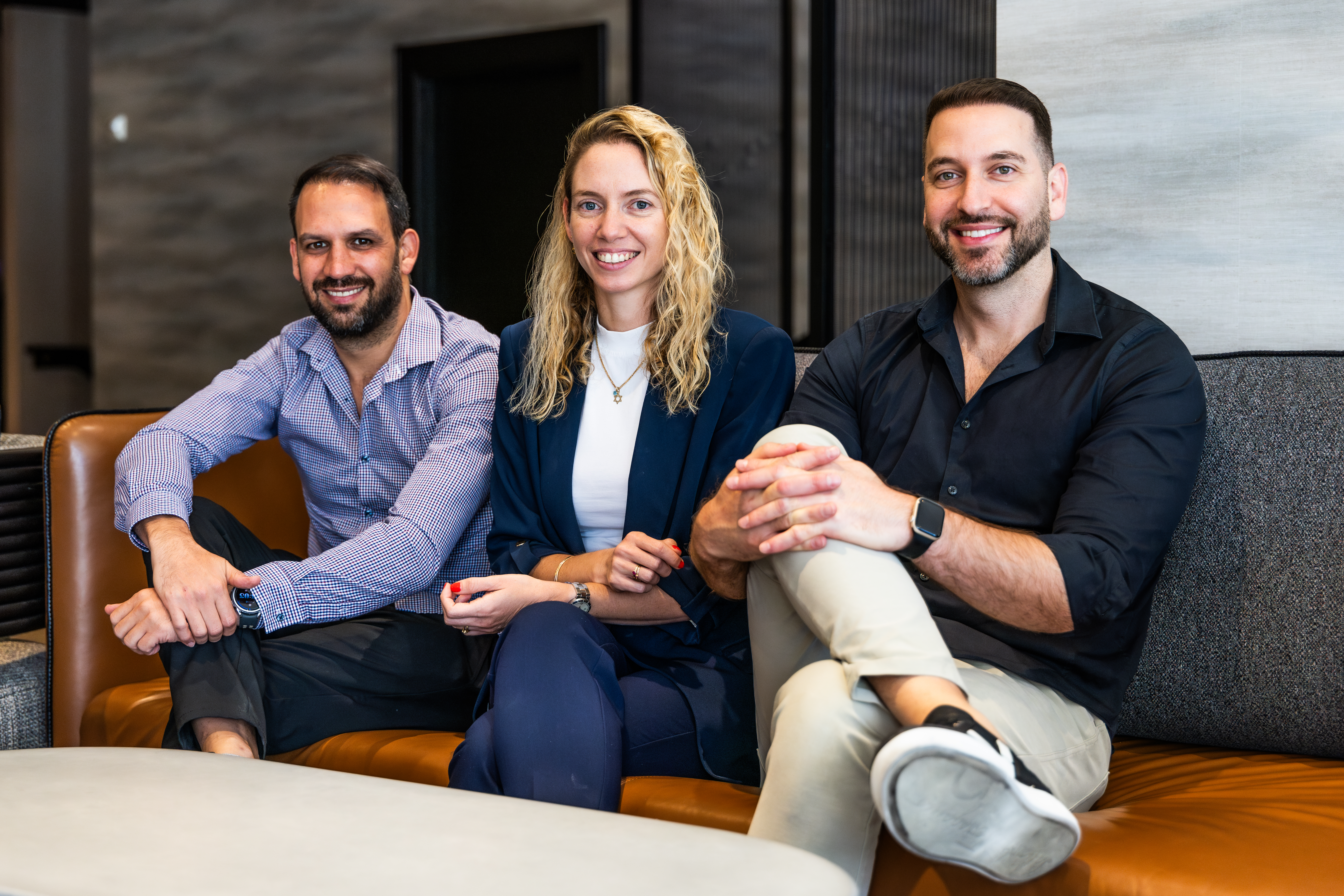
Gubes and Elmalem had known each other since university. Brener entered their story from a different direction, as an investor willing to take on the American sales effort. The three eventually became Sensi’s founding team: Gubes as chief executive, Elmalem as chief technology officer and Brener as chief revenue officer. His contribution at the beginning was a transaction with consequences for his own career.
The sequence gives this story its shape. Investors can offer introductions, advice or money. Brener went far enough into the commercial work to secure a buyer, and then joined the business. His current title places revenue at the center of his responsibilities. The early deal provides a concrete explanation for why he belonged at that table.
The business of meeting people
Years earlier, Brener was explaining why a promotional encounter could matter more than the size of an audience. In June 2014, speaking as Bay, Inc.’s CEO in Walnut Creek, he described the limits of television and radio advertising: a broad audience could include plenty of people with little interest in buying. Getting a message in front of someone did not, by itself, establish a commercial relationship.
His preferred approach gave the customer a person to engage with. “Our strategies have the ability to engage consumers so that they commit to a brand, and not just a product,” he said. The distinction was commercial and specific: the ambition extended beyond an individual purchase to the customer’s continuing relationship with the business.
In October that year, Bay announced an e-commerce platform. Brener, identified on that occasion as chief operating officer, described an online channel intended to extend the firm’s in-person sales activity. Existing customers would be able to shop online. Corporate partners and strategic events were part of the planned introduction.
“It really extends the reach of our in-person efforts,” he said. The platform was intended to support repeat contact, promotions and customer information. His argument made room for a digital transaction inside a business built around face-to-face encounters. The person who liked a conversation could also appreciate a convenient checkout.
“It really extends the reach of our in-person efforts.”
Alon Brener, on Bay’s e-commerce plans, 2014
The proposed online channel had several jobs. It would let corporate clients reach new customers, reconnect with previous buyers, extend promotional offers and build a database of customer information. Brener described special presentations around the launch and events with major corporate partners. The sales effort would still begin primarily through the existing in-person channels.
That division of work matters to the commercial story. Bay was adding another way to complete and continue a relationship it had already started. In Brener’s description, a representative, an event and an online store could each handle part of the same customer journey. The technology announcement was also an explanation of how he expected the sales operation to function.
Eleven years, with a scorecard
By July 2019, Legion was celebrating its eleventh year in business. Brener, described in its anniversary announcement as director of operations, thanked associates, revisited shared achievements and set expectations for the years ahead. The anniversary offered an occasion to look backward. He also used it to talk about operating objectives.
Those objectives went beyond profits and revenue. Brener tracked loss prevention, team growth, customer satisfaction and internal promotions. That last measure is a revealing detail. In his account of the business, the movement of people inside the organization belonged on the same management scorecard as its financial performance.
His stated aim was to use those measures to decide when the operation needed adjustment and when it could pursue expansion. He connected his own accomplishments to setting goals, and argued that leaders needed to take calculated risks to keep a company relevant. The vocabulary was managerial rather than mysterious: targets, progress, adjustments, another target.
Brener’s anniversary discussion treated people and customers as measures of the business alongside financial results.
Even the holiday had an agenda
Legion’s approach to travel gives the management language a more entertaining setting. From November 15 to 18, 2018, top performers attended a retreat in Punta Cana, in the Dominican Republic. The trip was an incentive, a chance to relax and an opportunity to meet people from across the industry.
Brener set expectations before account managers left. If there were particular people to meet or things to learn, he wanted the travelers to know beforehand. A beach could apparently accommodate a networking objective. The retreat combined a reward for past work with an expectation that participants would return with useful relationships and ideas.
He also emphasized the personal side of traveling together. Colleagues could learn more about one another away from home, exchange perspectives with experienced professionals and reflect on the coming year. The trip was meant to strengthen working relationships through time spent outside the ordinary office routine.
A holiday celebration at Reno’s Peppermill Resort supplied another version of that idea. In March 2019, Legion described inviting its top 100 performers from approximately 600 associates. Formal clothes replaced office attire. A raffle offered a GoPro, an espresso machine, an Apple smartwatch and Golden State Warriors tickets. Even the prizes had a respectable range of ambitions.
For Brener, the highlight was the awards ceremony. Recognition also extended to personal milestones beyond the office, making room for newer colleagues to receive acknowledgment. The party mixed competition, celebration and opportunities to talk across offices. He connected that shared time to the solidarity he wanted inside the company.
A February 2019 account of Legion’s holiday gathering adds a less ceremonial detail. Account managers used the relaxed setting to revisit near misses as well as successful projects. They discussed other ways to approach difficult assignments. Brener said that discovering shared interests and spending time with colleagues’ friends and families could make communication easier back at work.
That is a rather useful ambition for a party: leave with a better understanding of the person whose help you may need on Monday. The setting offered a break from job titles, but the hoped-for benefit was practical cooperation. In Brener’s telling, the conversation outside the office had a job to do inside it.
What colleagues remembered
Two professional recommendations on Brener’s LinkedIn profile describe a demanding colleague. Van Berardino, who says he began working with him in April 2011, emphasizes high standards, accountability and the confidence Brener gave other people. Darrin Spiesz describes someone driven and direct, willing to deliver unwelcome feedback.
These are colleagues’ assessments. Together, they help explain the emphasis on goals and recognition in Brener’s own account of Legion. The management style they describe required effort from other people while treating their development as part of the work. Encouragement and pressure occupied the same office.
His public LinkedIn profile also lists four languages, with different levels of proficiency: Hebrew, English, Spanish and Portuguese. It is a small biographical detail beside the company history, but a welcome one. A career concerned with reaching customers has room for more than one language of conversation.
From a network of offices to a founding team
Legion eventually grew to more than 600 employees across 30 offices before it was sold, according to Brener’s 2025 conference biography. Its marketing work served major corporations across several consumer industries. That history gave him experience with a geographically distributed business before his move into Sensi’s founding team.
Scale changes the work. The first customer and the thirtieth office ask different things of an operator. In Brener’s career, both appear: an organization with hundreds of people and the small, consequential act of winning an early American buyer. The connection is customer acquisition, followed by the support operations needed to sustain expansion.
- 2008Legion begins its business history in California.
- 2019Brener marks Legion’s eleventh anniversary.
- 2025His conference biography identifies him as Sensi.AI’s co-founder and CRO.
When the room answers back
In a 2025 LinkedIn post, Brener described finishing a conference talk and expecting questions. Instead, he said, about 40 percent of the room stood to share their experiences as customers. He called it a founder’s moment of realization. The figure was his own account of the event, and the detail that mattered to him was the change in who was speaking.
Customers were explaining why they had chosen the business. For someone who had spent years making the case for direct engagement, it was an apt scene: the audience had stories of its own. His post expressed pride in hearing them and welcomed additional owners into the company’s customer network.
Brener’s business story keeps returning to those exchanges. A promotional event. A colleague’s review. A retreat with introductions to make. An investor’s offer to help that produced a first sale. Across different companies and titles, the recurring activity is remarkably concrete: meet people, establish what matters to them, and turn an encounter into work that continues after everyone leaves the room.
Continue the conversation
- Alon Brener on LinkedIn ↗
- Sensi.AI company website ↗
- Founding team: Entrée Capital ↗
- 2025 speaker biography ↗
- Legion’s eleventh anniversary ↗
- Legion’s Reno gathering ↗
- Team conversations outside the office ↗
- The Punta Cana retreat ↗
- Bay’s consumer engagement discussion ↗
- Bay’s e-commerce announcement ↗
- Brener’s 2025 conference reflection ↗