A shop can run out of stock for all the wrong reasons. In the gift-card business that preceded nSure.ai, the founders described a first week in which 40% of sales were fraudulent. Inventory exhaustion supplied the only cheerful detail: it stopped the thieves buying more. A sold-out shop is usually cause for celebration. This one needed a different kind of meeting.
Alex Zeltcer’s career eventually led him to the problem behind that story. Today, as nSure.ai’s co-founder and CEO, he works on the split-second judgment between a payment arriving and a digital product leaving. His particular concern is the customer who gets caught in the precautions. A merchant can lose money to a criminal. It can also spend money attracting an honest buyer, then refuse the purchase.
The second loss is less theatrical. Nobody needs to break into anything. The checkout simply says no. Zeltcer has spent years making the case that this quiet disappointment belongs in the calculation.
The grocery detour
His preparation involved an unusual shopping basket. There was telecom software at Comverse, where he held a research and development leadership role. There was engineering software at Dassault Systèmes, where he led the SmarTeam business. Then came local food. The distance from product lifecycle management to a cheese delivery is considerable, even by the standards of a technology résumé.
In November 2009, Dassault Systèmes announced a newly independent company, Artizone, with Zeltcer as CEO. It would develop and support ENOVIA SmarTeam V5 under an exclusive contract. The team included professionals from the Israeli operation, serving a product with more than 8,000 customers worldwide. Alongside that work, the announcement proposed an additional business in online retail.
It was an arrangement with two clocks. Existing software customers needed continuity. The new venture needed room to try something else. Artizone could preserve specialist knowledge while its founders explored a much more domestic transaction: getting ingredients into somebody’s kitchen.
The food business brought together interests its founders shared: cooking, small businesses and consumer technology. Dallas offered an early market; Chicago followed. Customers could order from local artisans through one service rather than make separate trips to the butcher, the baker and the cheese shop. The convenience depended on work that stayed largely out of sight: collecting products, coordinating orders and making deliveries.
At Artizone, reported per-order logistics costs fell from $150 to $18 after the operation brought logistics in-house.
By June 2014, Artizone said it served more than 7,500 homes and sourced products from over 150 specialty shops in Chicago and Dallas. As president, Zeltcer described expanding only after the operating models worked. That qualifier matters. A delivery promise looks simple on a website; every extra supplier and address adds another opportunity for the promise to become expensive.
The following year, his Artizone work earned the Tech Titans Technology Adopter award. It is a useful detail in a career now associated with AI. The recognition concerned applying technology to a business whose products still needed to arrive at the door.
A gift card has no loading dock
Zeek, where Zeltcer served as COO and general manager, exchanged those physical complications for another set. A gift card travels very well. It can be delivered quickly, redeemed quickly and resold. Those conveniences also make it attractive to someone using stolen payment details. A merchant has little comfort in discovering the problem after the value has gone.
The response inside the gift-card platform was to build fraud protection suited to its own trade. The company’s account describes outside tools that required turning away 15% to 20% of shoppers it believed were legitimate. Building an internal system gave the team a way to work on both sides of the problem: the loss from a bad payment and the lost sale from an unnecessary rejection.
In 2019, that internal work became nSure.ai, co-founded by Zeltcer and Ziv Isaiah with backing from Kamet, then AXA’s venture builder. The experience of being a merchant supplied its starting point. Their prospective customers had budgets, acquisition costs and impatient shoppers. An accurate answer had to arrive in time to be useful.
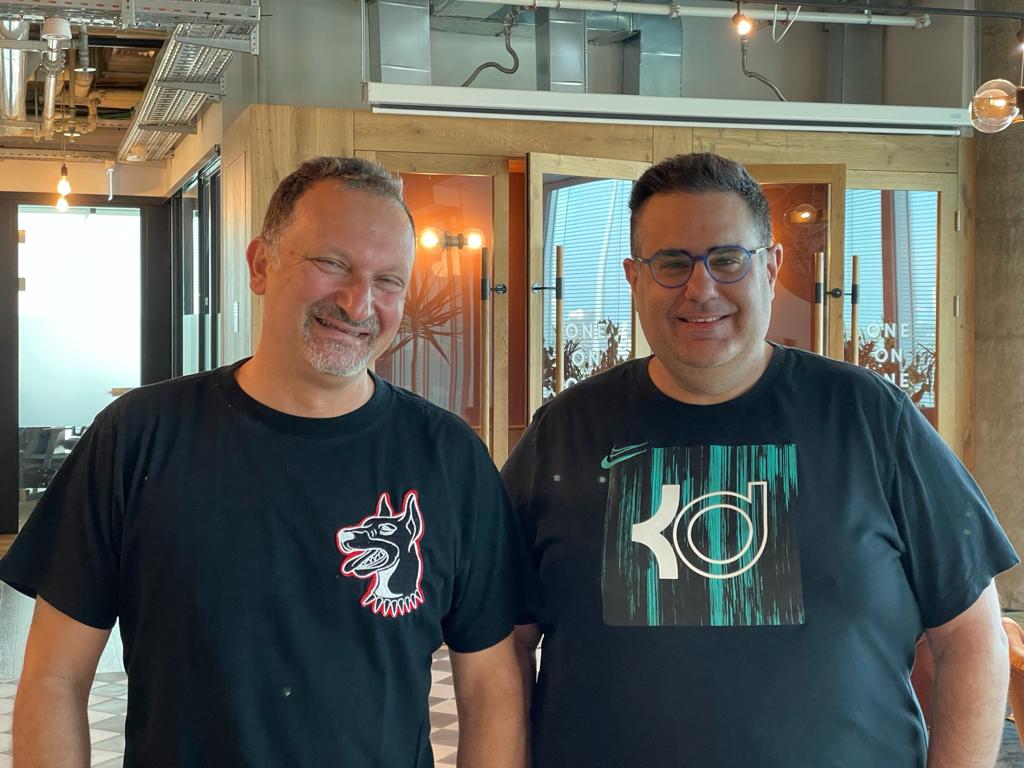
“We were in your shoes. We felt your pain.”
Alex Zeltcer and Ziv Isaiah, their seed-funding announcement
There is something commercially useful about remembering the buying side of the table. A supplier may describe a model. The merchant needs to know what happens to the margin. nSure.ai’s offer puts a decision together with chargeback protection, giving that question a financial consequence for the supplier as well.
The buyer on the other side of the pitch
The move from operating a marketplace to selling protection was not frictionless. Zeltcer has described an early deployment that required months of work to stabilize after a gift-card vendor suffered fraud. Existing technology and an experienced team did not remove the obligation to prove the product in another business.
Then there was the sales meeting. Telling a fraud team that far more transactions could be approved could sound like telling it that its previous decisions had been poor. The buyer might understand the promise and still have little appetite for the conversation it implied with colleagues.
Zeltcer’s team adjusted the pitch. Customer results and return-on-investment calculations helped make the case; presenting the fraud team as a contributor to revenue gave the prospective buyer a role in the improvement. He described the aim as “we were really making them heroes”. The adjustment took about 18 months.
It is a revealing difficulty for an operator to encounter. The system evaluates transactions. The customer evaluates a supplier, a cost and a change in working habits. A person has to recommend the purchase long before a model can recommend the next approval.
The paperwork and the purchase
Zeltcer’s public writing takes aim at another reassuring shortcut: treating a verified identity as sufficient evidence that a payment is safe. In a December 2022 article, he argued that verified accounts can be bought, taken over or used by people manipulated into moving value. A familiar-looking account can still participate in a fraudulent transaction.
His argument preserves the need to comply with identity requirements while questioning what those checks establish about the payment itself. The distinction is practical. A name and a document answer one set of questions. The way an account behaves, and the way it fits a wider pattern of purchases, may answer others.
For Zeltcer, unnecessary friction compounds the problem. More checks can mean more abandoned purchases. The commercial task is to decide where a check contributes useful information and where it merely gives an honest customer another reason to leave.
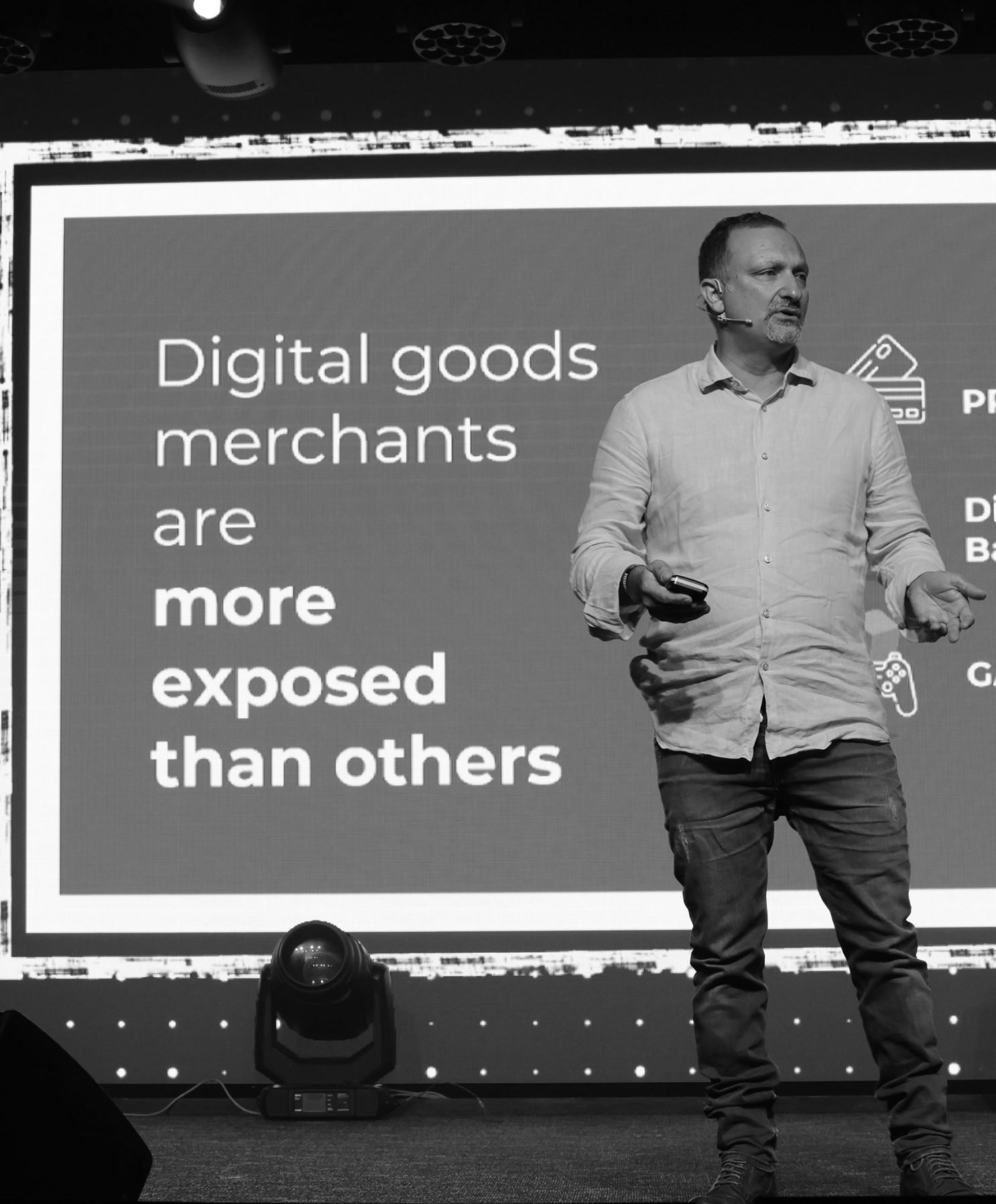
A little inconvenience for the thief
nSure.ai describes an architecture that builds a dedicated model for each customer, using that merchant’s data. Its technical explanation combines learning from known examples with looking for anomalies in activity. The point is to spot patterns that deserve attention without making every unfamiliar shopper prove innocence.
By January 2024, Zeltcer was also discussing the use of generative AI to produce synthetic attacks for testing. The idea was to learn from observed attack patterns and generate variations, giving the defensive system something more demanding to practice against. The tools available to attackers were changing; the rehearsal needed to change too.
One product brings a dry joke into the proceedings. StingBack can make an identified fraudster believe a purchase succeeded, then deliver a zero-value key or code. The payment is refunded so the cardholder is not billed for goods that were not delivered. The thief is left with an item whose resale prospects are disappointing.
- 01Apparent success
- 02A zero-value code
- 03Payment refunded
The logic turns on the criminal having a business model, too. Time spent trying to sell a useless code is time spent receiving no return. A product that otherwise promises speed has found a customer for whom delay is an appropriate feature.
The next decision
In April 2026, nSure.ai announced 180% annual recurring revenue growth for 2025, 130% net revenue retention and profitability. It also reported $80 billion in total processed volume, without specifying the accumulation period. These are the company’s figures. They describe an expanding business; they are different measures, and the transaction volume is not revenue.
Profitability confirmed in the April 2, 2026 announcement.
Zeltcer’s comment emphasized operating discipline. It fits the less photogenic details of his career: support contracts, delivery costs, sales conversations and the consequences of a refusal. The headline technology changes. The need to make the numbers work remains remarkably persistent.
Outside work, Zeltcer lives in Tel Aviv, cooks, cycles, enjoys wine and spends time with his family. He is a member of the Young Presidents’ Organization and a father of three sons. The cook in the earlier food venture was more than a convenient marketing character.
A company-shared interview introduced him as someone who entered the startup world at 40. By then, he had already spent years inside large software organizations. His later businesses made different demands, but they gave that operating experience new places to go.
For a founder whose work turns on approvals, the central question remains agreeably difficult. Somewhere, a shopper is ready to pay. The business has spent money getting them there. The decision needs to be careful, fast and commercially sensible. There is still a cost to saying no.