A generator is supposed to save you from repetition. At one enterprise working on Azure Resource Providers, the generator had become another thing to maintain. Requirements changed. Engineers patched its rules. Complicated, nested definitions needed corrections. Before an API specification was ready for a pull request, 24 to 40 hours could pass. The machine that was meant to clear the queue had acquired a queue of its own.
- Akvelon builds and modernizes software for enterprise clients.
- Its recent AI work targets documentation, validation, and review.
- The useful lesson: automate one bounded task, then check the handoff.
A generator that needed its own mechanic
Akvelon replaced that rigid step with a Copilot-based skill. It reads Resource Provider code, generates TypeSpec API definitions, checks them against Azure Resource Manager guidelines, and corrects detected problems. An engineer still reviews the result. In its October 2026 case study, Akvelon reports preparation falling to 15 to 30 minutes per resource type, measured through Azure DevOps timestamps.
That last detail changes the story. The unit being timed was preparation for review. Expert assessment put accuracy against the applicable guidelines at approximately 90 percent. A human approval step remains mandatory. The interesting achievement is a shorter route to something an engineer can inspect.
Akvelon, founded in 2000 by Sergei Dreizin and Constantine Korovkin, has spent decades inside other companies’ software. Its services cover application development, cloud, data, testing, DevOps, and AI. Microsoft, Google, T-Mobile, Reddit, and DoorDash appear in its public client materials. The work often involves connecting a new capability to an existing system with existing obligations.
The work waiting behind the work
Consider a second engagement, described in September 2026. A global technology company had hundreds of legacy .NET projects. AI already helped with migration. Then engineers had to download old and new build outputs, compare them, and assemble evidence for reviewers. Incomplete migrations and missing files could surface late. Speeding up one task had made the next task more conspicuous.
Akvelon added skills for build-output validation and migration review, bundling them with the migration capability. The toolkit flags unexpected differences; engineers decide what those differences mean. After rollout, the validation skill appeared in 54 of 76 relevant migration pull requests. That is a useful adoption count, distinct from the company’s estimated hours saved.
Relevant migration pull requests used the validation skill after rollout.One client engagement. September 2026 case study.
The small, revealing number is the setup estimate: one to two hours per team for installation, an explanation, and a guided example. Repeatability requires that other people can pick the tool up. A clever demonstration becomes operationally interesting when the next team can use it without its inventor standing beside them.
One job per agent
The same preference for bounded work appears in Akvelon’s Agentic MCP Platform. MCP, the Model Context Protocol, gives AI applications a standard way to connect with tools and data. Akvelon uses it to coordinate agents that each have a specific assignment. A coordinator divides the work; individual agents retrieve and analyze material; their results become a combined document.
“Each sub-agent focuses on one task, then hands control back.”Akvelon / Agentic MCP Platform
In one reported implementation, the repository exceeded 30 gigabytes and contained more than 100,000 artifacts, with sparse documentation. For initial analysis of a representative sub-project, Akvelon says roughly four workdays became about one work hour. That result concerns a selected collection within the repository. It describes documentation and system understanding, rather than a completed modernization.
- 01Scope the job
- 02Analyze in parts
- 03Assemble evidence
- 04Engineer reviews
An engineering company with a shop window
Akvelon sells engineering services and consulting. Its reusable tools support those engagements. A buyer can commission application work, modernize infrastructure, or integrate AI into an established process. In the services market, firms such as EPAM, Globant, and SoftServe offer overlapping capabilities. Akvelon’s case for selection rests on the relevant team, integration experience, and evidence from comparable work.
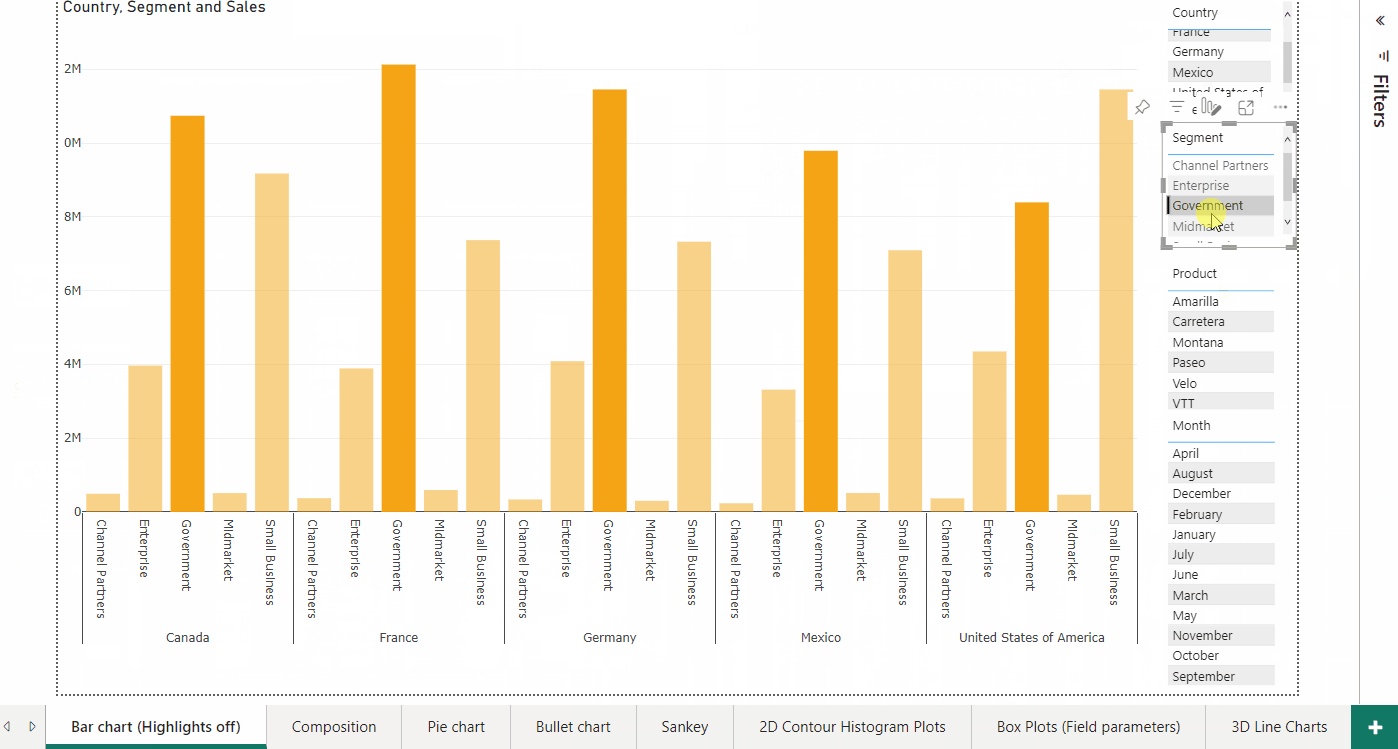
There are smaller ways to encounter its engineering. Akvelon offers several Power BI visuals free through Microsoft AppSource, and its Plotly.js visual supports more than 40 chart types. Public GitHub projects include a Flutter code editor and a React Native wrapper for Android’s SMS User Consent API. These provide tangible things to examine before discussing a larger engagement.
Its experimental side is less buttoned-up. MeowTalk began at Akvelon with former Alexa engineer Javier Sanchez, applying machine learning to cat vocalizations. Early reporting described a culture willing to back an employee’s unusual idea. The connection to enterprise work is the engineering challenge: combining models, data, and an interface people can actually use.

For financial services, Akvelon calls its adoption framework RAISE: reliability, adoption, integration, security, and efficiency. The checklist puts ownership and controls beside technical performance. A bank considering fraud detection or document processing needs to know where an output goes, who can challenge it, and how it fits the surrounding workflow. Those questions help turn an attractive prototype into a project a buyer can evaluate.
Start with the queue
What does this cost? Akvelon’s Clutch listing gives a $5,000-plus minimum and a $25-to-$49 hourly range. Treat those as directory signals; the team, scope, integration, and review requirements determine an actual proposal. The one-to-two-hour setup estimate for the migration toolkit describes team onboarding, not the cost of building the system.
The copyable idea is specific: identify a repeated handoff, establish its baseline, define acceptable output, and retain the reviewer. This suits recurring migrations and specification work with accessible inputs and checkable results. Sparse permissions, unreliable data, or decisions without a clear validation method make the approach harder. Faster generation alone will leave those constraints intact.
On October 13, 2026, Akvelon announced it had joined the OpenAI Partner Network. Its recent projects give that announcement a practical context. The next AI opportunity may be sitting between two ordinary engineering steps, waiting for someone to count the hours.