A student draws a molecule. The bonds are sensible. The chemistry is sound. The homework system rejects the answer anyway. At Ivy Tech Community College, chemistry professor Aaron Goodpaster encountered precisely this sort of frustration with earlier software. Students were being asked to learn chemistry and the private etiquette of an interface. One subject was quite enough.
- Aktiv combines chemistry drawing, homework, live activities and assessments.
- Faculty at 700-plus campuses use it; Top Hat acquired the company in 2022.
- Its February 2026 FAQ lists $45 per term, with free OpenStax textbook options.
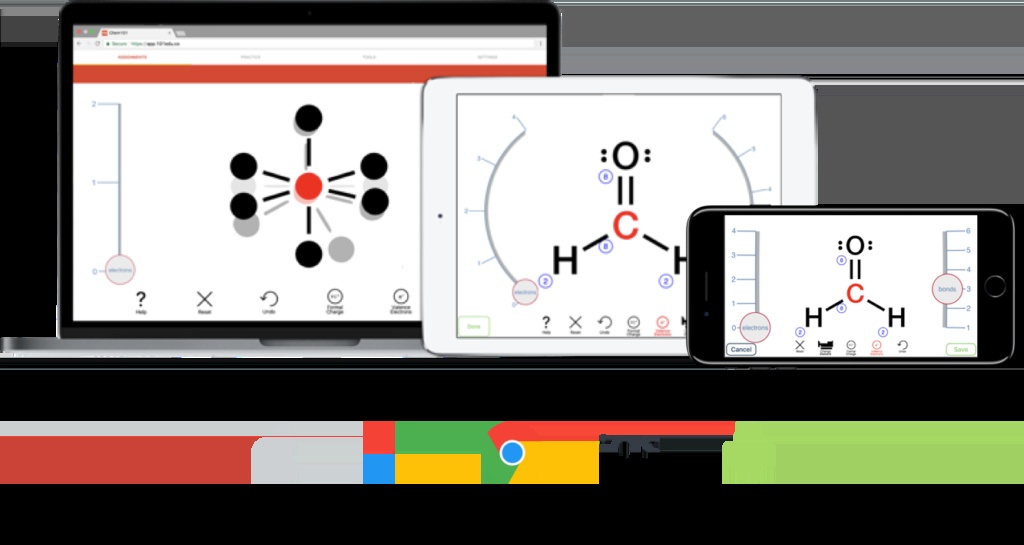
Aktiv’s proposition begins in that irritating gap between knowing an answer and successfully entering it. Its specialized tools let students construct Lewis structures, organic molecules and reaction mechanisms. Goodpaster’s account, published by Aktiv, describes a switch toward more intuitive drawing and better support for nomenclature and dimensional analysis. A modest software improvement can occupy a surprisingly large part of a student’s evening.
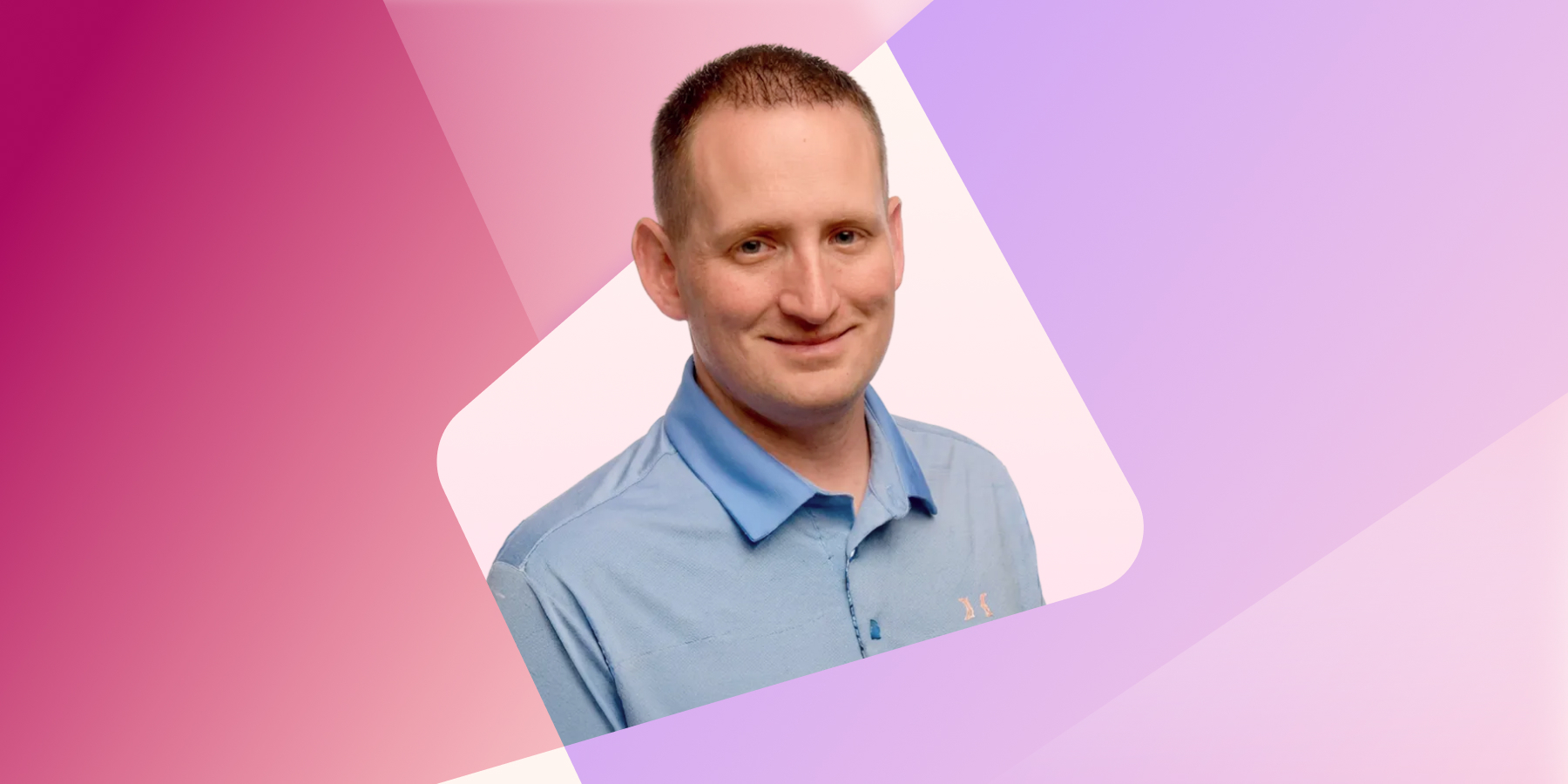
“There was almost no learning curve.”
Aaron Goodpaster / Ivy Tech Community College
A phone, a bond, a business
Co-founders Justin Weinberg and Igor Belyayev were experimenting with smartphones before they founded the company. In a 2022 podcast interview, Weinberg recalled a chemistry video app they made in 2010. He said it attracted more than 500,000 downloads without promotion. The audience was there. The eventual business would ask students to do more than watch.
They founded 101edu in 2016. Weinberg brought teaching experience and a chemical engineering doctorate from Carnegie Mellon; Belyayev supplied the technical counterpart as founding CTO. The early classroom tool concentrated on Lewis structures, those diagrams of atoms, bonds and electrons that make chemistry visible on a page.
The choice was instructive. A multiple-choice button can record a selection. A drawing tool can reveal how a student understands a structure. Aktiv grew from that specific activity into chemistry courseware. Its expertise lives where subject knowledge meets interface design: translating chemical work into something a learner can enter, inspect and revise.
The textbook needn’t choose the software
Today, Aktiv Chemistry covers general, introductory, organic, general-organic-biological chemistry and biochemistry. Its users include chemistry majors, nursing and allied-health students, and future medical students. Instructors can select questions, author material, run classroom activities, assign homework and deliver quizzes. Randomized problems and question pools provide variation across students.
The business model follows the course. Faculty choose the platform; students typically buy access for the term. Departments and schools can also purchase enrollment-based licenses. Bookstore codes and institutional access programs provide other routes. Aktiv offers a 14-day grace period at the start of classes, giving students time before payment becomes necessary.
Listed in Aktiv’s February 2026 FAQ. A free OpenStax textbook can sit beside the paid practice platform.
This puts Aktiv in competition with publisher-linked homework systems and general classroom response tools. Its distinction is practical: chemistry-specific inputs alongside activities and assessment, with flexibility over the textbook. OpenStax integration supports an openly available text; Top Hat titles offer another option. The instructor can choose the reading and the practice tools with some independence.
There is also the less glamorous matter of getting marks into the gradebook. Aktiv supports LMS integration, including Canvas, Blackboard, Brightspace and Moodle. Automating that transfer matters when the purpose of software is to make frequent practice manageable. Every extra administrative chore taxes the instructor’s willingness to assign another useful exercise.
The money followed the classroom
According to acquisition advisor Good Harbor Partners, an early institutional fundraising push lacked revenue evidence. The company changed its financing sequence, using angel backing while proving adoption, retention and willingness to pay. The lesson is portable: a specialist product needs evidence from the people who will actually adopt it.
In March 2021, 101edu announced a $4.6 million Series A led by Recurring Capital Partners. The announcement put cumulative funding at $7.8 million and reported adoption by more than 1,500 faculty at over 400 institutions. It also described triple-digit growth during the preceding year, when instructors were reorganizing courses for remote teaching.
By December 2022, Top Hat reported more than 700 institutions and over 120,000 chemistry students annually. It announced the acquisition that month. Aktiv had also expanded into mathematics and adopted its new name. “101” had been mistaken for an introductory course number, an awkward ceiling for a company moving into later courses.
The advisor’s account describes a board weighing more capital against a sale, including expansion risk and Weinberg’s preference for product work over an increasingly administrative CEO role. Top Hat offered resources and a wider platform. For the buyer, Aktiv supplied specialized STEM tools that complemented broader classroom engagement.
Check the calculation before the conversation
The newer product work returns to an old classroom question: where did the student lose the thread? Readiness diagnoses prerequisite math and chemistry gaps and creates personalized study plans. It is an acknowledgment that a chemistry problem may unravel because the algebra underneath it was never secure.
Ace, Aktiv’s AI assistant, adds conversational guidance. The company says its computer algebra system checks mathematical correctness before Ace provides feedback. The assistant uses that information and the problem’s context to guide students through steps. This design gives the conversation a calculation to work from, rather than treating fluent language as evidence of correct mathematics.
The 2026 roadmap also lists a syllabus-based assignment builder in beta, question corrections that propagate to unstarted assignments, and expanded accessible question types. These changes address instructor preparation as well as student practice. A generated course still deserves an instructor’s inspection; a neat schedule cannot decide what a particular class needs.
The evidence deserves equal care. Aktiv’s homepage says 89 percent of respondents believed it improved their chemistry grades, based on its spring 2024 survey of 6,474 students. That measures student perception, not a controlled estimate of grade improvement. Its accessibility claim applies when instructors use questions marked accessible. Selection matters.
For an instructor, the sensible first experiment is small: choose a troublesome concept, assign a drawing or step-by-step problem, inspect the responses, and adjust the next lesson. This approach needs participation, appropriate questions and feedback students can use. If practice becomes another unattended box to tick, the software’s advantages have little room to work. Chemistry already offers plenty of mysteries. The submission button should not be one of them.