Somewhere, somebody has to choose the software, protect the school network and make sure the workplace is safe. These are not glamorous assignments. They are, however, assignments with consequences and budgets. 1105 Media has built a business around the people who get them. Its publications and events live in the technical corners of working life, where a useful explanation can matter more than a spectacular headline.
The company’s portfolio puts software developers, data specialists, education leaders and security professionals under one corporate roof. That combination looks peculiar until you consider what they share: complicated decisions, changing tools and suppliers eager to meet them. The connecting thread is professional usefulness. A reader who returns for help can also become a conference attendee, a training customer or a prospective buyer for an advertiser.
A very particular kind of attention
Converge360 describes its territory as enterprise technology, education, security and safety. Its offer to marketers is access to experienced people within those fields. The distinction matters. A broad audience might admire an advertisement. A network administrator researching a migration might actually have a reason to contact the company behind it.
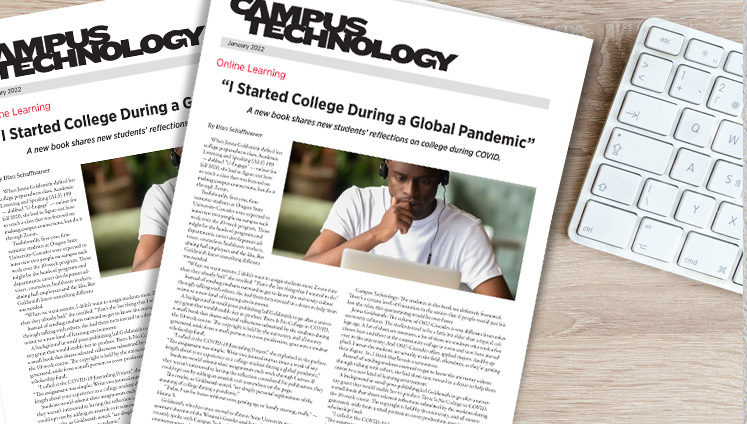
1105’s brand roster includes Redmond, Visual Studio Magazine, Campus Technology, THE Journal, Security Today and Occupational Health & Safety. These are separate editorial doors into separate professional worlds. A school technology leader and a developer may both care about artificial intelligence, but they need different explanations, examples and purchasing context.
Reach figures reported by 1105 Media. They do not represent unique paying customers.
The company advertises substantial reach on its corporate homepage. But the commercial idea is more precise than its aggregate numbers suggest: a supplier wants the relevant portion of that audience. For an education technology company, a smaller group of people responsible for school systems may be more useful than a much larger collection of general technology enthusiasts.
Born with a subscriber list
1105 Media arrived in April 2006 through acquisitions. Publishing executive Neal Vitale formed the company with Nautic Partners and Alta Communications, buying 101communications and Stevens Publishing. The combination brought together technology information with coverage of industrial safety, security, environmental protection and home healthcare. This was an assembled business with existing titles and communities, rather than a new publication waiting for its first reader.
The launch announcement estimated approximately $75 million in 2006 revenue and more than 250 employees. Those are opening-era figures. Among the inherited titles was Recharger, aimed at the remanufactured ink-cartridge industry. It is a wonderfully specific reminder that business publishing can find its purpose in subjects most people never consider.
In January 2007, 1105 announced the acquisition of Fawcette Technical Publications’ operating assets, including Visual Studio Magazine and VS Live! The purchase expanded its developer coverage and conference business together. The logic was visible in the assets: explain the technology in print and online, then bring the people working with it into a room for deeper instruction.
The reader is only one customer
The business has several transactions running alongside one another. Professionals consume information. Employers and individuals buy education. Suppliers pay for advertising, sponsorship and programs designed to introduce them to potential customers. A company needing help with its own marketing can buy production and strategy services as well.
TDWI makes the education side particularly clear. Founded in 1995, it predates 1105 and now offers research, conferences, online courses, team training and membership for data and AI professionals. Its audience includes people building data systems and the leaders deciding how those systems should serve the organization. The same subject can justify both a technical class and an executive discussion.
Editorial interpretation of the business model, not a measured customer journey.
On the supplier side, TDWI’s marketing programs include custom reports, webinars, technology demonstrations and live and virtual events. The pitch is contextual access: vendors appear where professionals are already examining problems in data and analytics. That makes the environment relevant, although attendance alone cannot establish purchasing intent.
Agency@1105 addresses another practical problem: the marketing team that has a campaign to deliver and too few hands to produce it. Its services include content, design, websites, video, research and media planning. Its site displays client logos including Microsoft, IBM, Cisco, Dell, Cloudera and Alteryx. Those examples show the kinds of businesses it serves without revealing the size or timing of individual engagements.
Consider a hypothetical data software supplier preparing a launch. It could commission an explanatory report, sponsor a discussion of the underlying problem and use the resulting contacts for follow-up. The appeal of this arrangement is coordination: the subject, presentation and audience can fit together. The test is whether participants find the material useful before anyone asks them to consider the product.
The $3,225 classroom
Paid learning puts a concrete price on professional attention. Visual Studio Live! Las Vegas, scheduled for March 16-20, 2026, listed a standard five-day registration price of $3,225. That package included a full-day hands-on lab and workshops. The three-day conference option listed at $2,125. These were prices for a particular event and package, rather than a general tariff for 1105’s services.
More days. A bigger training bill.
The published pricing schedule also offered earlier booking rates and team discounts. The five-day year-end savings price was $2,725, a $500 difference from standard registration. For a manager sending several developers, booking time and package choice were therefore meaningful parts of the decision.
The broader lesson is economic. Training can draw on an employer’s learning budget while sponsorship draws on a vendor’s marketing budget. Both can support the same professional gathering, provided the instruction is useful enough to earn the attendee’s time. The price of a seat makes that obligation considerably more tangible than another newsletter opening.
A sale, then a new syllabus
The company’s history also includes pressure and retreat from particular holdings. In 2014, as Vitale announced his departure, he described a business that had faced a global recession and disruption of the advertising and publishing market. Rajeev Kapur was subsequently named CEO. That acknowledgment gives the reinvention story some substance without turning it into a neat tale of one failed product and one miraculous fix.
A larger portfolio change followed in August 2021, when GovExec acquired Public Sector 360. The government technology group included FCW, GCN, Washington Technology, Defense Systems and the Fed 100. Those names belong in 1105’s history, not its present-day ownership list. The sale moved a recognizable collection of specialist information and marketing properties into another company serving government audiences.
By May 2024, 1105 was adding an executive-facing AI brand. AI Boardroom was designed around content, education and connections for senior leaders. The move extended a familiar business into a new set of questions: what executives should understand about AI and how they should put it to work.
“AI Boardroom will bridge the gap between AI potential and executive action.”
Meighan Berberich / May 2024 launch announcement
That expansion remains visible in the learning calendar. As of September 9, 2026, TDWI lists Transform Anaheim for September 20-25 and its Data & AI Leaders Summit for September 21-23. AI has become part of an existing education business, with programs aimed at different responsibilities inside an organization.
People who know the subject
Kapur’s management message emphasizes employee empowerment and customer service. The organizational expertise is distributed: Converge360 has editorial leadership for enterprise technology, education, security and safety, while TDWI has dedicated education and research leadership. That division of labor matters when a company promises to understand both software development and physical security.

The careers page gives the culture pitch some specific terms: it advertises 12 weeks of paid parental leave after six months of service, a 401(k) match and employee testimonials describing autonomy and remote work flexibility. These are the employer’s statements. Still, they offer something more concrete than a cheerful slogan about innovation.
Start with the job, then earn the audience
1105 sits at the intersection of specialist publishing, professional education and B2B marketing. Informa TechTarget offers overlapping enterprise technology lead generation, webinars and custom content. The competition is therefore about audience relevance and execution as well as the number of services on a menu. A buyer should compare the actual community and program, not simply the corporate reach figure.
For a prospective customer, the sensible starting point is a brief that names the intended reader, the problem and the desired response. Ask which publication or event actually reaches that person. Then decide whether success means learning, awareness, a qualified conversation or a meeting. Those are different outcomes, and buying all of them under the loose heading of engagement makes a campaign harder to judge.
My reading of 1105’s portfolio suggests a useful sequence for smaller businesses: choose a professional problem, publish material that helps solve it, and add a deeper learning or meeting format when the audience needs one. A focused webinar and a credible instructor can express the idea without requiring a portfolio of magazines.
The conditions matter. A consumer impulse purchase is a poor fit for this model. So is a campaign aimed at people outside the publisher’s communities. Even within the right field, an interested reader may lack purchasing authority, budget or a live project. Marketers need to agree what counts as a useful introduction before treating a registration as a sales opportunity.
For a learner, the equivalent question is simpler: what should you be able to do when the session ends? A recognizable event brand is a starting point; the syllabus, instructor and time commitment should settle the choice.
The enduring attraction is quite ordinary: people return to resources that help them do difficult work. 1105 has built multiple products around that return visit. For the person responsible for the software, the school network or the safety program, usefulness is a perfectly good reason to come back.