The difficult part of selling software is often the introduction. A product can have a persuasive demonstration, a sensible price and a useful purpose, then spend months being described to people who cannot buy it. Somewhere between the mailing list and the meeting, the intended customer disappears.
- Demand Media BPM connects content, audience targeting and sales outreach.
- Its nine named programs divide that work into tasks a marketing team can buy.
- The useful lesson: define a qualified conversation before counting leads.
The trouble starts before the meeting
Consider Xoxoday. In Demand Media BPM’s account, the software company needed to reach buyers for Compass, its sales and incentive management offering, in North America and the UK. Earlier outreach had missed its conversion goals. The assignment carried a six-month deadline.
Demand Media says it narrowed the audience to sales leaders overseeing teams of more than 500, distributed content through BrandConnect, then used ConfirmProspect for appointments. It reports 3,200 marketing-qualified leads, 258 meetings and $1.4 million in pipeline. Those are company-reported results. Pipeline describes potential business; it is not money collected.
The interesting detail is the brief. “Sales leaders with large teams” gives a campaign something specific to find, something relevant to say and a reason for the recipient to listen. Precision starts before an email is written.
Nine names for the work in between
Demand Media BPM serves B2B companies, with a stated focus on SaaS and technology brands. Its commercial offer consists of marketing programs covering content, distribution, qualification and outreach. The buyer is a marketing or sales team trying to fill a particular gap in that sequence.
The names have the cheerful energy of a software launch: HiSync, HQLiQ, ABMzing. Underneath them are recognizable jobs. ContentCraft produces written and visual material. BrandConnect distributes assets such as whitepapers. HiSync follows up across channels. HQLiQ asks discovery questions; SpendSense examines purchasing needs and readiness. Each gives a broad marketing problem a narrower assignment.
- 01Make it clearContentCraft
- 02Find the audienceBrandConnect · ABMzing
- 03Learn & follow upHQLiQ · HiSync · SpendSense
- 04Earn the meetingConfirmProspect
ABMzing organizes outreach around preferred accounts. ClickMagnet adds programmatic advertising using company characteristics to target audiences. WebConnect promotes webinars. ConfirmProspect combines prospecting and nurturing with appointment setting. A customer can therefore describe the missing step rather than buy the entire marketing vocabulary.
For a buyer, that packaging can make the first discussion more concrete. A webinar team needs registrations and attendance; a sales development team needs people ready for a conversation. Those assignments call for different material and different measures. Treating both as a generic request for leads makes the result harder to judge. The service menu invites a more useful question: which part of the process needs outside help, and what evidence would show that the help worked?
This places Demand Media BPM among providers of outsourced demand generation and content syndication. An alternative is to assemble the same functions internally, coordinating data, writers, advertising and sales development. Its positioning emphasizes bringing those activities together under one provider. The relevant comparison is how well that coordination works for a particular campaign.
“Meaningful questions. The right prospects.”
HQLiQ’s product tagline
Sometimes the page is the problem
There is a pleasingly modest diagnosis in the company’s Keka story. The HR software provider was introducing professional services automation software. Demand Media identified lengthy copy and weak visual appeal. Its ContentCraft team worked with Keka’s professionals on shorter material and more engaging design.
The company reports that, within three months, average time on page rose 25%, bounce rate fell 19% and social shares exceeded 11,000. These describe engagement. They do not establish how many contracts were signed. The practical insight survives that distinction: before paying to distribute a product story, make it easier to understand.
The audience has a reading list
The word “Media” earns its place in the name. The company lists six specialist publications, including IT Tech Pulse, MarTech Pulse and FinTech Pulse, alongside titles for HR, healthcare technology and leadership. They publish material such as news, whitepapers and industry commentary.
That portfolio gives the company a publishing dimension alongside its campaign services. Readers arrive with professional interests; advertisers want to reach people with those interests. The commercial logic is straightforward. Content offers a reason to pay attention before a sales pitch arrives.
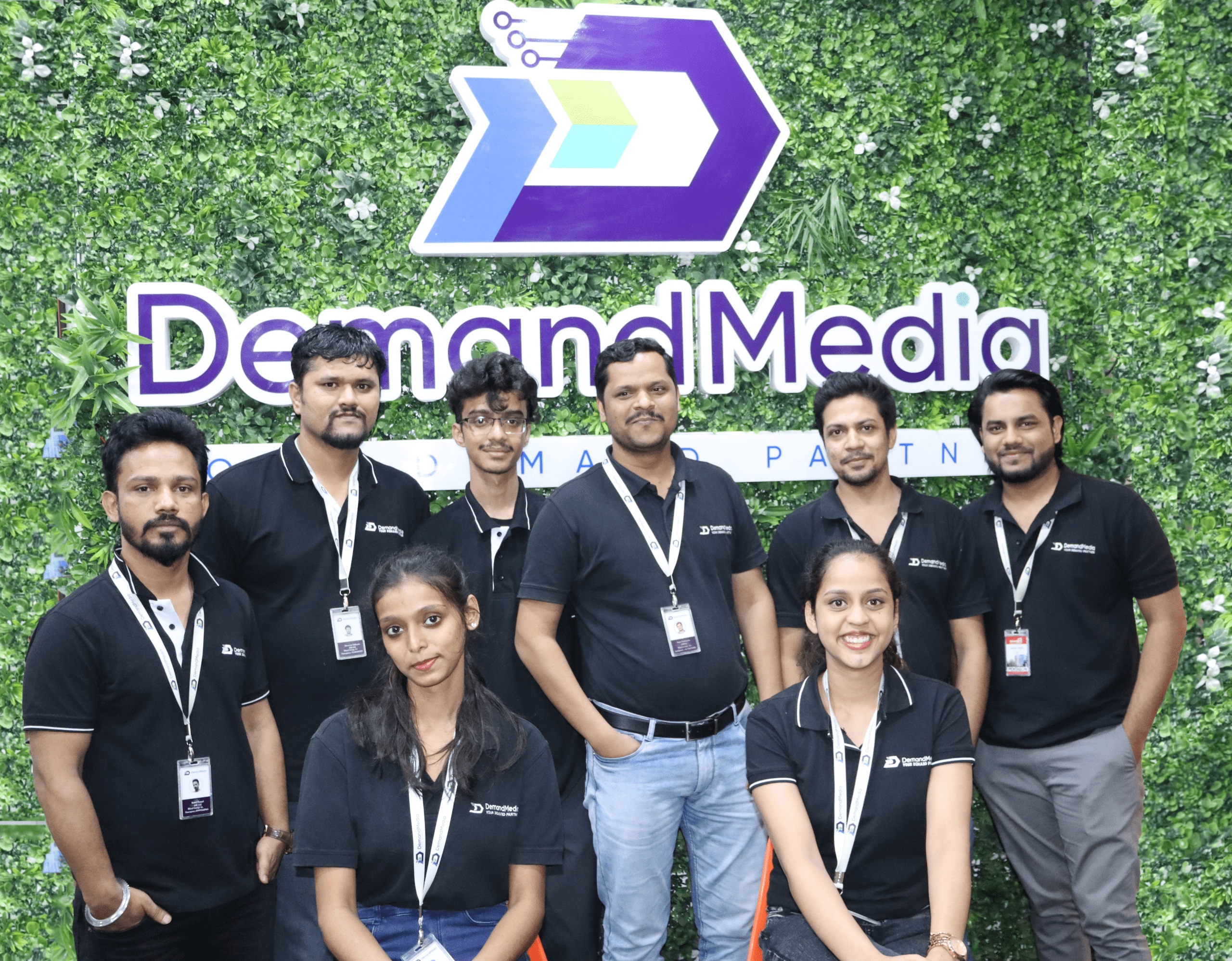
There is also a human operation behind the product language. The company advertises career development, group insurance, internal mobility and uncapped incentives. Its own description emphasizes collaboration. Those details describe the workplace it presents to recruits, and the people required to research audiences, create material and run campaigns.
Count the people who show up
A Philips webinar campaign provides another useful distinction. Demand Media says it promoted a healthcare technology event across channels, simplified registration, built a landing page and offered on-demand access. It reports more than 2,000 registrations and 1,400 live attendees, with a 20% reduction in the promotion budget.
The distinction matters because a registration and an attendee represent different levels of effort. Neither is automatically a customer. For an event marketer, the reported budget reduction is relevant; the commercial test continues through qualification and follow-up. A crowded webinar is a beginning.

A brief worth stealing
A useful way to read these services is as a checklist for your own team. Decide which companies and roles matter. Identify the problem those people recognize. Give them material worth opening. Ask questions that reveal need, authority and timing. Agree on what earns a sales handoff.
That sequence also explains the conditions for fit. A team needs a credible offer, an identifiable audience and people available to follow up. Otherwise, buying more distribution can simply move the bottleneck. A precise introduction creates an opportunity; somebody still has to conduct the conversation.