A task appears in ClickUp. A message appears in Slack. Nobody copies a link, opens another window or remembers to tell the team. In an October 2022 review of ZapUp, consultant Tejas R. described precisely this arrangement. The accomplishment sounds almost comically small. But repeat that handoff throughout a working week and you begin to understand the market ZapUp entered: the ordinary administrative work left behind after a company buys its software.
- The job: connect business apps and automate repeated handoffs without writing code.
- The offer: a historical $14.99 per-user monthly subscription covering 50 apps.
- The catch: specific connections need testing; the parent now announces a suite wind-down.
ZapUp by 500apps belonged to an ambitious proposition. Businesses could buy the applications for their work and the machinery connecting those applications through the same subscription. It addressed a familiar irritation: each tool may do its own job perfectly well, while the person using several tools becomes an unpaid courier between them. The courier has other things to do.
The work between the apps
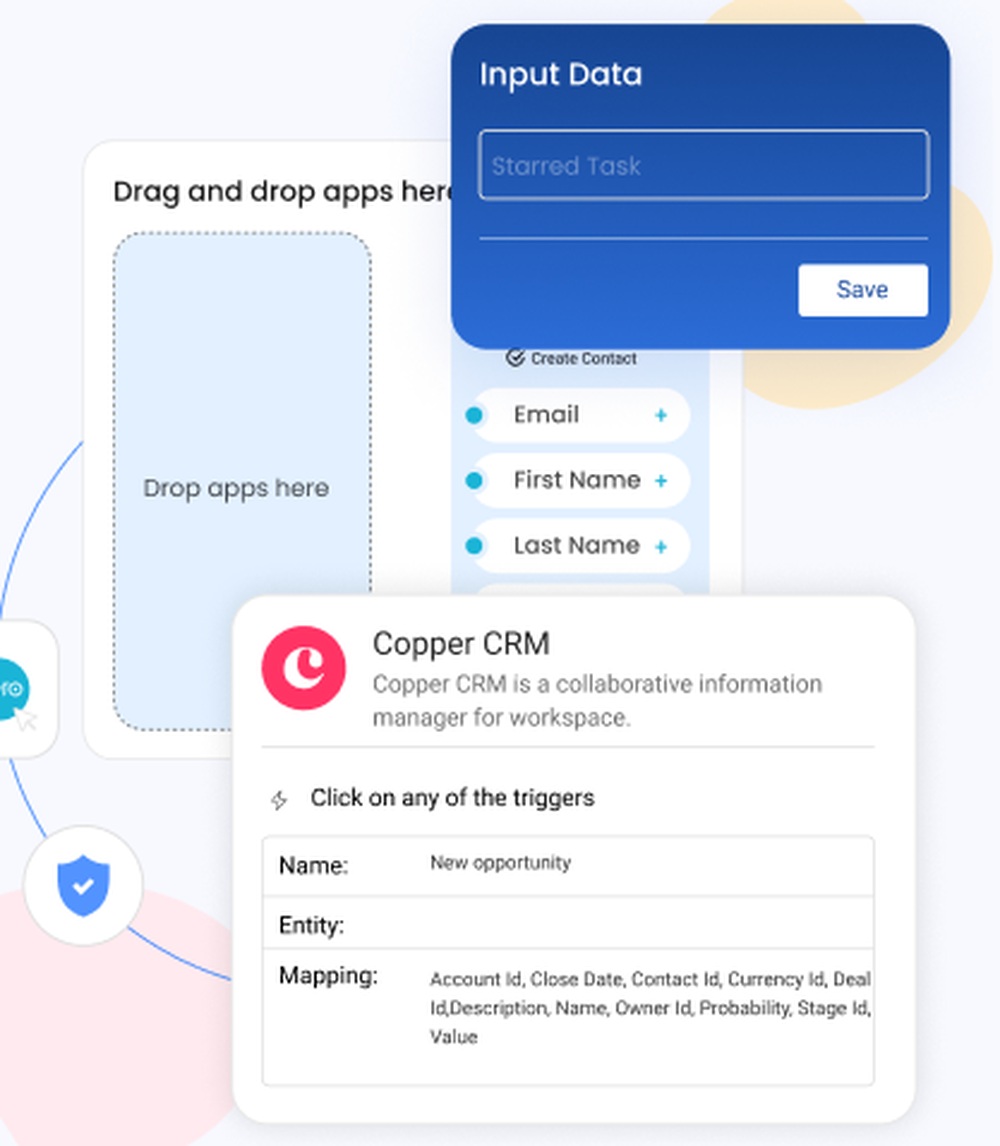
ZapUp occupies the integration-platform-as-a-service market, usually shortened to iPaaS. In plain English, it lets an event in one application cause something to happen in another. Its building blocks included a drag-and-drop visual editor, account management, custom connectors and real-time logs. A business user could draw a workflow; the software would carry out the sequence.
The customers described in its listings are business owners, marketers, IT specialists and operations teams, particularly at small and midsize companies. These are people who recognize a repeated task before they necessarily have a developer available to remove it. The expertise ZapUp packaged was the plumbing of business software: moving information, arranging actions and making the resulting activity visible.
The examples are satisfyingly specific. Another reviewer described connecting NinjaChat with Support.cc so that a conversation generated a support ticket. A Software Advice reviewer reported adding Google Calendar events when new records appeared in Salesforce. Neither job required a sweeping redesign of the business. Each removed a point where someone could forget, delay or mistype something.
Fifty apps. One bill.
The commercial idea was equally direct. G2’s provider-supplied pricing page, last updated October 10, 2024, listed a Basic subscription at $14.99 per user per month, including 50 applications. Multiple workspaces, unlimited zaps and support were part of that published offer. This is a historical price, useful for understanding the proposition rather than treating it as a fresh quotation.
per month
50 apps included in the advertised subscription.
For a five-person team, simple arithmetic put the advertised subscription at $74.95 a month. That calculation describes the software bill, not the total cost of a working process. Someone still had to select the applications, connect accounts, decide which information belonged where and check the output. Cheap access could make experimentation easier. It could not define the experiment.
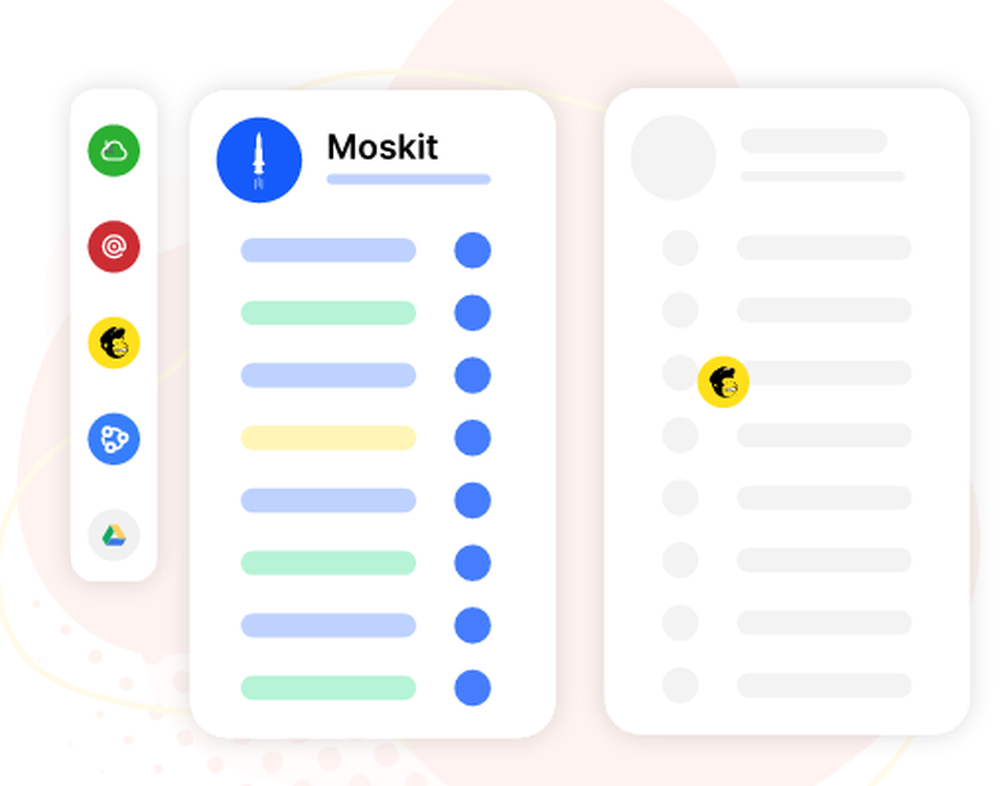
Against alternatives such as Zapier and Zoho Flow, the distinction was the bundle surrounding the connector. ZapUp was one piece of a broader business toolkit. SourceForge’s listing describes an earlier-looking package of 37-plus apps and more than 150 integrations; other listings advertise 50 apps and 200-plus connections. Those catalog snapshots make the underlying sales idea clear: more of the company’s software under one subscription.
The connector count meets the real world
ClickSend’s own integration directory gives the 200-plus claim a concrete companion. Its ZapUp listing describes sending individual text messages and bulk SMS or MMS, and mentions the related BPMApp and Botpath products. That is a recognizable business use: a workflow reaches the point where a person needs a message, and the messaging service performs that action.
Yet a directory total cannot establish whether your particular action works. In February 2022, a Software Advice reviewer who liked the Salesforce-to-calendar connection also wrote, “Few integrations are not working.” A December 2021 reviewer wanted more SaaS integrations. On G2, users raised limits around APIs, payment connections and walkthrough material. These were individual experiences, but they identify the practical questions behind a connector badge.
The useful test is whether one complete handoff works with your own data.Editorial takeaway
A visual builder helps people express a sequence. Logs help them inspect what the sequence did. Those are complementary jobs. SoftwareOne’s description emphasizes monitoring task progress and errors alongside managing app accounts centrally. For an operator, the ability to inspect the run matters because an attractive workflow diagram cannot confirm that the right record reached the right destination.
The bundle changes direction
The parent’s current customer notice changes how this history should be read. In the notice visible on October 24, 2026, 500apps says it will “stop spreading thin across 50 products” and focus on 500agents. It describes a 90-day suite wind-down, with export assistance and early access to the new platform. The notice is undated, so its relative schedule supplies no reliable calendar deadline.
The stated reason is focus, informed by customer feedback. The company’s earlier proposition put many tools within reach; its new direction concentrates on a conversational AI platform. For existing customers, documenting connections and arranging exports becomes immediate work. For prospective buyers, the announcement changes the purchasing decision before any comparison of features begins.
Copy the small experiment
The practical lesson comes back to the little Slack message. Choose a repeated handoff, name its starting event and destination, and test it with realistic records. Check the result in the receiving application. Keep the workflow understandable enough that another teammate can maintain it. This approach follows from the reported successes and complaints; it is a purchasing discipline, not a claim that every ZapUp connection will perform alike.
It becomes a poor fit when a required action is absent, the available instructions leave the operator stranded or the service’s future conflicts with the life of the process. ZapUp’s appeal was that ordinary people could connect ordinary tools. Its story makes the buyer’s question more precise: how much dependable work does this one connection remove?