In 1987, in a Blue Ridge foothills town best known as the model for television's Mayberry, someone hung a shingle that read Surry Temporary Service. The pitch was unglamorous: local companies had seasonal spikes, and they needed hands they could trust to show up. Nearly forty years later that little desk has a new name, a three-state footprint, and a claim most people in Charlotte or Raleigh would find surprising - it calls itself the second-largest talent source in the Southeast. This is the story of WorkForce Unlimited, and it is mostly a story about patience.
The company took its current name in 2014, trading a hyper-local label for one meant to signal capacity. Today it operates as the flagship brand of the Charlotte-based AREVO Group, alongside sister firms AREVO Professional and AREVO Management. But the engine underneath is the same one that has always run: put a recruiting office in the town where the factory is, learn the plant floor better than the plant does, and place the right worker by Monday.
The origin, in brief
The company traces to founder Teresa Lewis, who opened the original temp service to catch the seasonal demand of Surry County manufacturers. The early years were the classic staffing grind - a phone, a filing cabinet of applications, and a reputation you either built shift by shift or lost. What Lewis got right was less a strategy than a habit: treat the client's staffing problem as your own, and add a service every time they asked for one. Drug testing, background checks, payroll - each was a response to a client request, and each one made the relationship harder to leave. By the time the firm rebranded in 2014, it was no longer a temp desk. It was an outsourced workforce department wearing a temp desk's price tag.
What it actually does
Strip away the branding and WorkForce Unlimited is a labor broker with a specialty. It fills the jobs that keep the physical economy of the Carolinas and Virginia running - people who load trucks, run production lines, answer service calls, and staff the front office. The work splits into a handful of clear lanes.
Light Industrial
Manufacturing, warehouse, logistics and distribution labor - the core of the book.
Temp & Temp-to-Hire
Seasonal, short-term and evaluation-hire placements for demand that moves.
Direct Hire
Permanent and professional search for full-time roles.
Customer Service
Call-center and contact-center staffing.
Office & Professional
Clerical, administrative and professional placement.
Workforce Support
Drug testing, background screening, skills assessments and payroll processing.
That last lane is the quiet moneymaker. Screening, testing and payroll processing turn a one-off placement into an ongoing relationship - the agency stops being a resume pipe and starts being the HR department the client never staffed. It is also why a manufacturer that signs on for temp labor in year one is often still a client in year thirty.
The business model, unromanticized
Staffing revenue is deceptively simple. The agency bills the client an hourly rate for each temporary worker and pays the worker a lower one; the spread covers recruiting, payroll taxes, workers' comp and margin. Direct-hire placements add a one-time fee, usually a slice of first-year salary. On top of both sits the services layer - screening, testing, payroll processing - which carries its own margin and, more importantly, welds the client in place. It is not a high-multiple software business. It is a cash-flow business, and cash-flow businesses that keep clients for decades are worth more than they look. The 2025 decision to fund growth with debt rather than equity is exactly what you would expect from a firm that trusts its own recurring revenue.
The stack behind the handshake
For all the small-town texture, the operation runs on modern rails. Recruiting and applicant tracking live in Bullhorn, the industry-standard staffing CRM; the back office runs on Microsoft 365; security-awareness training comes via KnowBe4. It is a useful reminder that "old-school" and "low-tech" are not the same thing. The relationships are analog and local; the systems keeping thousands of placements, timecards and compliance records straight are anything but. That combination - human trust on the front end, disciplined software on the back - is what lets a regional firm punch at national scale without dropping the details that get an agency fired.
Who's actually buying
The customer is not a startup founder or a corporate recruiter in a coastal tower. It is a plant manager in Surry County, a distribution supervisor near Winston-Salem, a call-center lead in Danville. These buyers care about one number above all others: how fast a qualified body is standing at the workstation, and how likely they are to still be there in ninety days. WorkForce Unlimited's whole model is built around that anxiety.
Its answer to the anxiety is geography. Rather than run one big regional office, the firm plants small ones - Mount Airy, Elkin, Yadkinville, Reidsville, Laurinburg, High Point, plus Galax, Fairlawn and Danville across the Virginia line. A recruiter who lives in the county tends to know which second-shift worker is reliable and which is not. That local knowledge is hard to copy from a call center three states away, and it is the reason a small firm can beat national giants on its home turf.
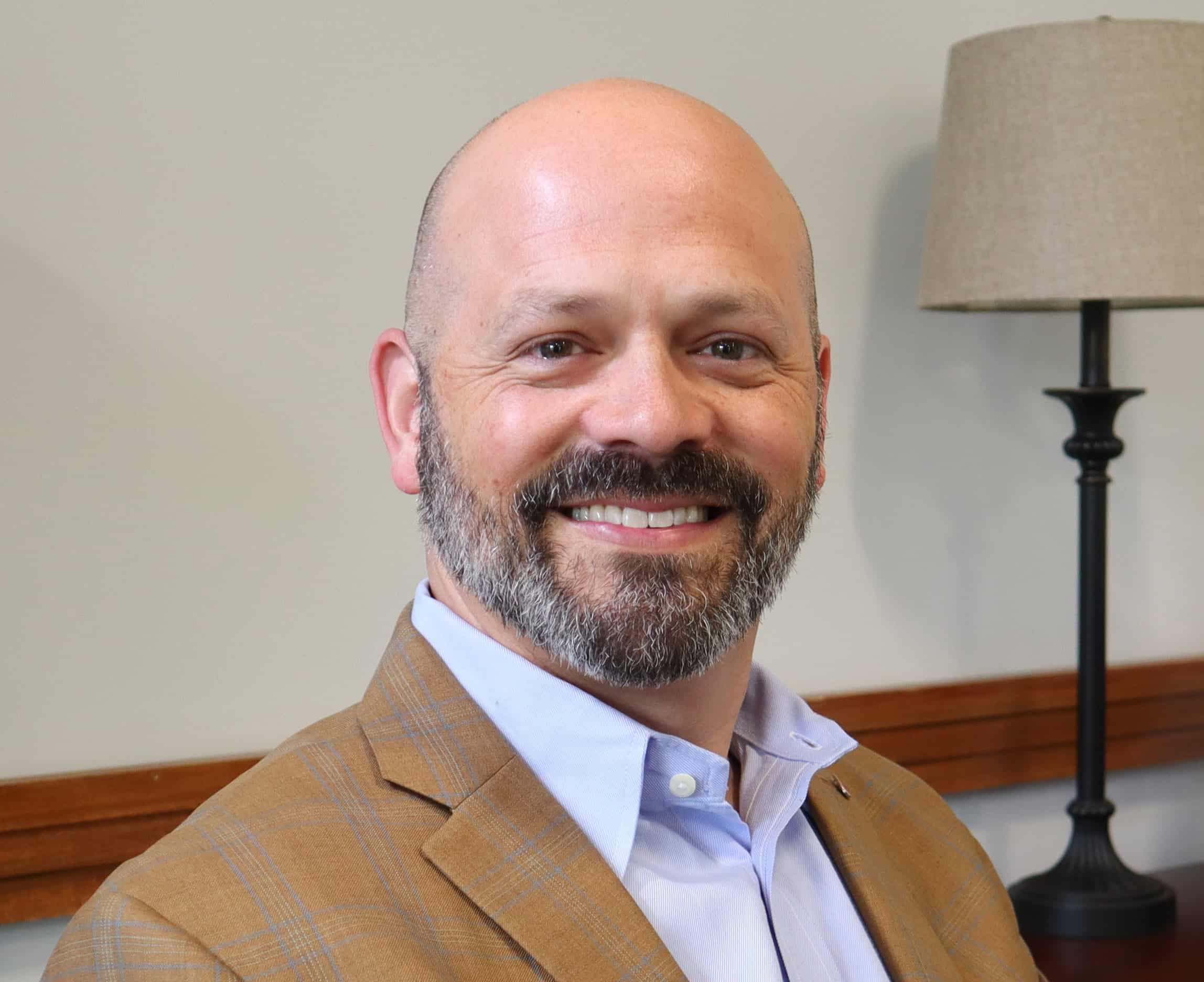
We have seen exceptional growth due to our culture of excellence.Mike Brannock, Chairman & CEO
The retention math
Most staffing agencies live and die on churn. Clients leave, margins compress, and the sales team spends its life refilling a leaking bucket. WorkForce Unlimited flipped that problem into its headline stat: more than 30 clients retained for more than 30 years. When your average anchor account has been with you since the Reagan administration, you do not have to win the region every quarter - you just have to keep the accounts you already earned and add offices at the edges.
The expansion has come in two forms. Organic office openings account for most of it, but the firm has also grown by acquisition - notably folding in the Light Industrial Division of a rival, Associate Staffing, to add clients and coverage. In July 2025 it reported $6.5M in debt financing to keep funding that expansion. Debt over dilution is a telling choice: this is a cash-flowing service business paying for growth out of its own predictability, not a venture bet chasing a valuation.

How it's different
The national players - the Adeccos, Randstads and Manpowers of the world - have scale, technology and brand. What they do not have is a recruiter who grew up two exits from the warehouse. WorkForce Unlimited competes on the opposite of scale: proximity. Its leadership talks about a "culture first" organization and, unusually, applies engagement practices to temporary associates - the very workers most agencies treat as interchangeable. That is not charity. In a tight labor market, the temp who feels respected is the temp who shows up for shift two, and shift two is where the client relationship is really won.
The recognition backs the story up. The firm has landed on the Triad's 50 Fastest-Growing Companies list eight times, been named a Best Place to Work for over a decade, and repeatedly won ClearlyRated's Best of Staffing awards - the ones scored by actual client and talent surveys - across its offices in 2025 and 2026, with a 4.7-star client rating and 4.5-star talent rating.
Where it fits
Zoom out and WorkForce Unlimited occupies a lane that keeps getting written off and keeps refusing to die. As hiring software promises to automate recruiting, there remains an entire economy of plant floors and loading docks that does not need another job board - it needs a human who knows the town and can vouch for the worker. That is the moat. It is unglamorous, it is regional, and it has compounded quietly for nearly forty years.
For a plant manager, the value proposition is simple: outsource the hardest, most thankless part of running a facility - finding and vetting reliable hands - to a partner who has done it in your county since before you took the job. For a worker in a small Carolina or Virginia town, it is a door into steady work and, often, a permanent role. The company's founding line still fits: connect hardworking businesses with hardworking people. Everything else is just office count.