There is a particular kind of confidence that clients buy from an advertising agency. It is not the theatrical confidence of a pitch room. It is the calmer promise that someone has sorted the thousand possible choices - the font, the audience, the platform, the timing, the budget - into one defensible answer. Peggy Wilson had been selling that sort of answer for years when, in 2020, the answer itself became suspect.
Wilson is the founder, president and CEO of Wilson Creative Group, a Naples firm she launched in 2007. WCG works across brand strategy, advertising, public relations, websites, media, search and social. Its portfolio leans toward businesses where a purchase is expensive, emotional or both: luxury homes, private clubs, resorts, interior design, financial advice, boats. These are categories in which a misplaced comma will not sink the sale, but a misplaced feeling might.
When the pandemic arrived, Wilson's clients still wanted direction. The trouble was that the old, crisp instruction - this is what you should do - no longer matched the fog. So she changed the product. “You've got a few choices here,” she began telling them. The line is modest. It is also a compact theory of professional advice: expertise is not pretending uncertainty has disappeared; it is making uncertainty navigable.
“You've got a few choices here.”Peggy Wilson, on advising clients in 2020
The first thing to fail was the forecast
The pandemic did not first break WCG's creative machinery. It broke the assumptions around it. Clients hesitated over commitments. Retainers - the recurring arrangements agencies prize because they make staffing and revenue more predictable - suddenly felt heavy. WCG began taking some new clients on a project basis, intending to prove value before asking for a longer relationship.
That flexibility came with a price. Wilson said the firm could have used one or two more people, but project work made her cautious about hiring. Fourteen staff members carried the load. The meaningful cost was internal: less predictable revenue meant less confidence to expand the team.
And then the odd thing happened: demand rose. WCG added about five clients in 2020 and reported a 25 percent increase in interest from August through November, the seasonal run-up that matters in Southwest Florida. It did so without describing a shiny acquisition stunt. The firm credited referrals, its portfolio and a website it kept refining to show the breadth of the work.
This was not a universal pandemic miracle. Many of WCG's clients operated in the luxury economy, especially real estate. Southwest Florida's wealth and a strong stock market insulated portions of that clientele. Copying the agency's flexibility without a similarly resilient market, a referral base or enough cash to tolerate project-by-project revenue would produce a less charming story.
Thirty days before the first clever idea
WCG's more durable answer to uncertainty is procedural. Its published onboarding process usually takes 30 days. The team begins with goals and existing marketing, sends a detailed questionnaire, builds a schedule and budget, collects account credentials and brand assets, develops strategy, plans upcoming content and sets regular updates.
None of this sounds like the romance of advertising. That is precisely why it matters. A creative concept can fail because the agency misunderstood the audience. A launch can stall because nobody owns the password. A media plan can be approved before the budget is truly understood. Discovery is the place where those failures are still cheap.
Goals, audience, assets, constraints and the uncomfortable questions.
One strategy across creative, web, media, PR, search and social.
Put live performance in front of the client and adjust the work.
The agency calls its internal culture “The Wilson Way.” Beneath the agreeable language about listening and going the extra step sits one excellent, mildly anxious question: What could possibly go wrong? WCG says it standardizes repeatable processes so that the team's curiosity can be spent elsewhere. Creative people sometimes treat process as the enemy of invention. Here process is what prevents invention from being eaten alive by a missing approval.
The dashboard changes who knows what
Most full-service agencies can assemble a familiar list: brand, web, social, public relations, media. WCG's sharper distinction is the connective tissue. The same firm can refresh a logo, design the website, buy the media, write the story and monitor the result. Clients receive 24/7 access to a dashboard of campaign data rather than waiting for a ceremonial monthly unveiling.
Transparency is often presented as a moral virtue. In an agency relationship it is also an operating tool. When a client can see performance while a campaign is active, a disagreement becomes more specific. The question is no longer whether marketing “feels like it is working.” It is which audience, channel or message deserves the next dollar.
Naples seasonality, referral networks and the visual codes of Southwest Florida luxury.
Integrated media, web, PR, analytics and search services for work beyond one city.
That model is best suited to a client willing to let one agency see the whole system. It works less well when departments guard their channels, when decisions crawl through many layers, or when a company wants a single cheap deliverable with no appetite for discovery. Integrated work needs integrated authority. A dashboard cannot rescue a strategy that nobody is empowered to change.
Selling expensive things without shouting
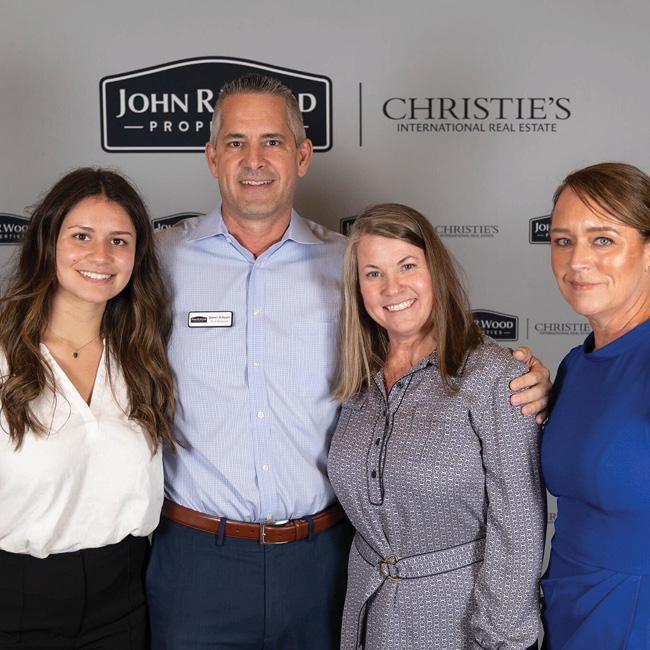
WCG's market position is easiest to see through its clients. For John R. Wood Properties, the agency created advertising, a recruitment brochure, a presentation box for winning listings and an annual luxury-market report. For Bonita Bay, a two-year assignment produced a photography and video library, a landing experience and a brand concept book. For PLC Closets, WCG used AI-generated imagery and voiceover in a 15-second spot, avoiding the expense of a traditional production shoot.
The common problem is not awareness in the abstract. It is controlled translation. A brokerage must turn market leadership into reasons an agent will switch firms. A private community must communicate scale without becoming generic. A closet company must look premium before a prospective buyer visits the showroom. In April 2026, The Club at Mediterra put the paradox plainly when it selected WCG: build awareness without compromising the character and exclusivity of the club.
The agency has extended that translation work into search. In late 2025 it launched generative engine optimization, or GEO, using natural-language content, structured data and first-party analytics to improve the chance that clients appear inside AI-generated answers. This is not a separate software product. It is an ongoing agency service, and WCG warns that search systems need time to learn and index a content environment. The pitch is evolution, not instant magic.
What another firm can copy on Monday
- Turn discovery into a named, time-bounded process instead of a vague prelude.
- Offer a smaller project when uncertainty makes a retainer too hard to buy.
- Put performance data where clients can see it before the reporting meeting.
- Standardize handoffs so creative attention is reserved for the parts that require judgment.
- Define the audience narrowly enough that the story can actually be relevant.
The small-agency advantage, with conditions
WCG occupies a useful middle: smaller and more locally embedded than a national network, broader than a design boutique or solo consultant. LinkedIn places it in the 11-to-50-employee band; the company supplied figure is 15. That scale can give a client access to senior judgment without hiring seven specialist vendors. It also means capacity, key-person dependence and account fit matter. The model is persuasive when the agency understands the market and the client values coordination. It is less persuasive when scale alone wins the work.
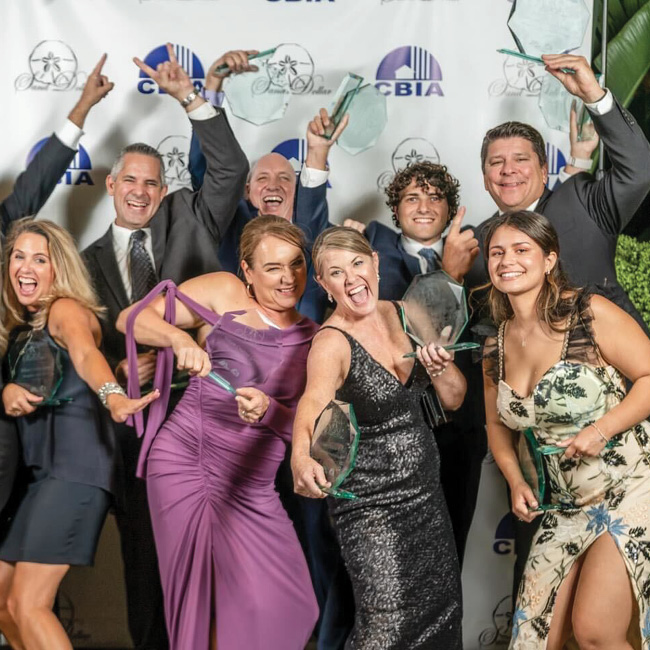
The awards are plentiful - Sand Dollars, ADDYs, a 2016 Marketing Director of the Year honor for Wilson. In 2022 alone, WCG took 14 ADDY awards, including Best of Show for a Bonita Bay Community Association brand book. Yet the more transferable achievement is quieter. The firm has lasted through shifts from print to social, from search results to generated answers, and from the confident prescription to the informed menu.
There is even an office mascot on the team page: Maple, a chocolate Labrador whose listed specialties are hard napping, occasional snoring and morale. This may be the most honest job description in advertising. Everyone else is paid to make uncertainty look organized. Maple simply knows when to lie down.
Keep exploring