The trains were running slowly, and the railroad knew it. What it could not see clearly was the reason. In a Wi-Tronix case study, an unnamed Class I carrier discovered repeated failures in the communication link to its end-of-train device. An interruption at the back of the train was becoming a problem across the network.
Wi-Tronix describes a response involving Violet Edge, automatic notifications and a heat map of problem locations. The customer reportedly reduced communication-loss events by 20%. The account is a vendor case study, but its underlying question is useful: how does a railway turn scattered interruptions into a problem someone can fix?
- The product: onboard electronics connected to cloud software, video and diagnostics.
- The buyer: freight railroads, passenger operators and transit agencies.
- The bet: information earns more when several departments can use it promptly.
- The test: savings and reliability improvements have to show up in actual operations.
A recorder acquires a day job
The familiar black box has a peculiar reputation. It becomes interesting when something terrible happens. Wi-Tronix has spent years giving the recorder a less dramatic occupation: helping run the railway on an ordinary Tuesday.
Its Violet Edge platform brings data acquisition, storage, communications and onboard processing into a shared architecture. Video and event recording sit alongside remote monitoring and cloud applications. A safety investigator can examine an event; a mechanical team can watch equipment health; operations staff can follow fleet activity. Configuration determines which information is collected and which applications are available.
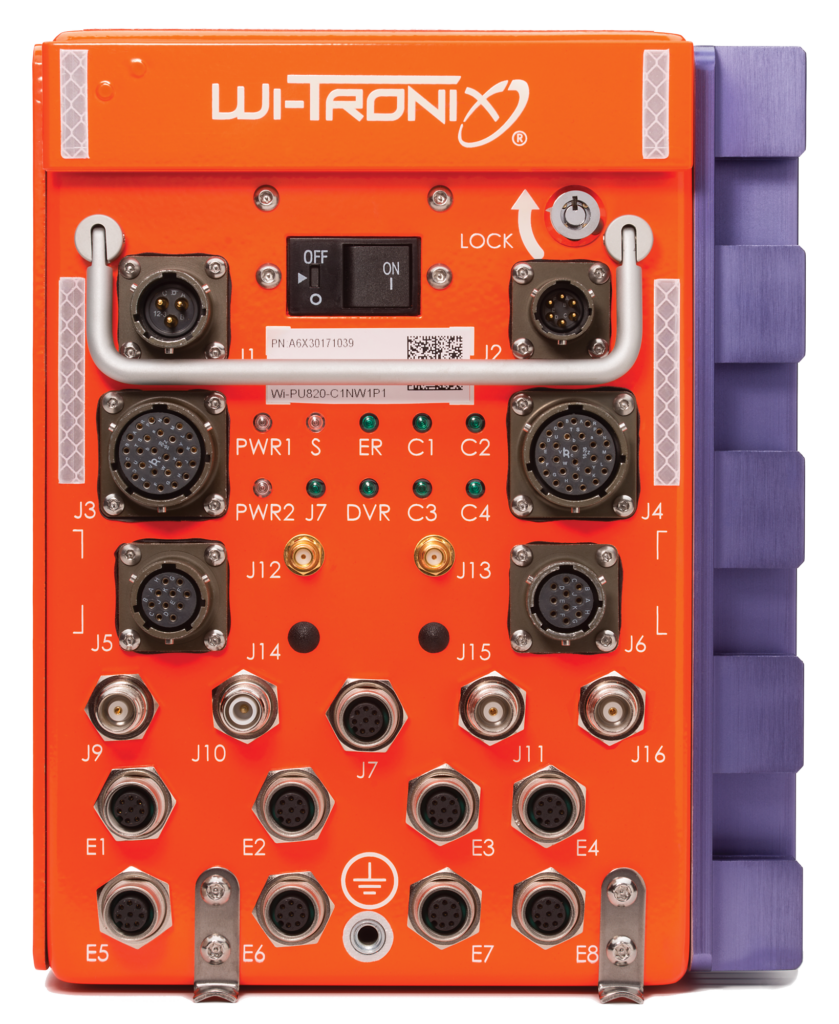
That combination helps explain the company’s origins. Larry Jordan and Michael Heilmann established Wi-Tronix in 2004. Work began in Jordan’s basement. The original Wi-PU went into service with BNSF in 2005; Lisa Matta and Duane Hong joined that year. By 2009, the company’s anniversary announcement described more than 40 employees and applications in rail, maritime and mining.

The present business concentrates on rail. That concentration has practical consequences. A locomotive is a collection of existing electrical systems, operating rules and maintenance habits. The software has to make sense to people who already know what a fault means, what requires attention and what can wait. Rail experience is part of the product.
Wi-Tronix occupies the space between onboard equipment and the organization using it. It supplies neither a complete train nor a general-purpose fleet app. Its work is making information from rail vehicles accessible across a railway’s operations.
The savings have to survive the ledger
In a 2023 interview published by Wi-Tronix, OmniTRAX’s Scott Remington acknowledged the familiar doubt about a new system: “is this really going to drive savings?” He described roughly 35% idle reduction since 2015 and about 13 traction-motor replacements in 2021, compared with more than 30 annually in earlier years. These are customer-reported results, rather than a controlled estimate of the platform’s contribution.
The customer had researched alternatives, tried the system and proceeded to fleet deployment. That sequence matters more than a glossy promise. For a buyer, the useful question is which operating changes occurred alongside the technology, and whether the improvement persists under comparable conditions.
“is this really going to drive savings?”
Scott Remington / OmniTRAX / 2023
There is corroboration for the general use case from another customer. CSX’s 2022 sustainability report says Wi-Tronix fuel monitoring helps reduce fuel spending and consumption through better remote observation of speeds and idle times. It does not assign a neat dollar saving to the system. The restraint makes the claim easier to understand.
Wi-Tronix’s own fuel-measurement guidance is unusually interested in the untidy details. Compare train type, route, direction, tonnage and the number of locomotives actually providing power. Otherwise, a change in the work performed can masquerade as a change in efficiency. The same logic applies to almost any industrial software trial: establish what happened before deciding what caused it.
Its writing on idle reduction also describes the limits of automatic stop-start equipment. Cold conditions, worn starting components, disabled systems and maintenance gaps can erode the intended savings. A connected dashboard can expose those conditions. Managers and crews still have to respond. An alert left unread has excellent data and poor prospects.
Thirty months before the purchase order
PATH offers a recent example of that patience. Its collaboration with Wi-Tronix began through Transit Tech Lab in 2023. A 30-month pilot preceded the Port Authority’s August 2026 announcement of a $10 million contract.
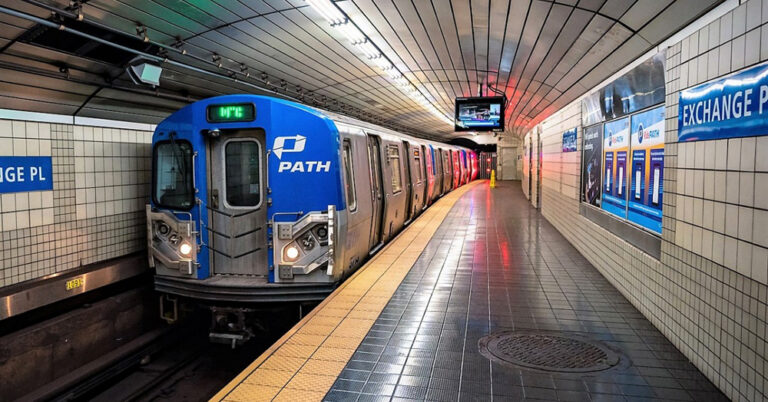
The announced deployment covers more than half of PATH’s 422 cars, with implementation expected by October 2027. Remote retrieval is intended to replace laborious manual access to onboard records and help teams respond to mechanical problems. The contract includes continuing maintenance and upkeep. These are deployment plans and intended benefits, rather than completed fleet-wide results.
A project price, including ongoing upkeep. It is not a published per-car price.
The buying process reveals something about the business model. Wi-Tronix’s standard quotation terms describe purchased hardware and recurring fees for each asset. Unless a quote specifies otherwise, the first asset invoice covers the remaining calendar year, followed by annual billing. The relationship continues after the box is fitted.
For a customer, that means evaluating the whole deployment: equipment, interfaces, access to applications, support and the people who will use them. A railway can purchase a recorder for recording. The broader platform earns its additional role by helping those people accomplish recurring work.
A camera cannot install a fence
Brightline’s work with Wi-Tronix shows where AI fits. In September 2023, the partners announced a $1.648 million federal grant to develop camera-based monitoring of trespass activity along the Brightline/FEC corridor. The announced first step was upgraded forward-facing cameras on Brightline’s 21 locomotives.
The intended chain was specific: collect observations, train a model to identify unsafe behavior, then use the resulting information to guide engineering projects, enforcement and community outreach. It was an investment in a development project. The announcement did not establish a reduction in collisions.
The distinction is worth keeping. Detecting a pattern and changing a dangerous location are different jobs. Better observations can help a railroad choose where to intervene, but someone must still carry out the intervention. Here, the useful AI story ends with decisions about the physical railway.
Wi-Tronix’s market contains capable alternatives. Wabtec offers event recording, remote download options and integrated recording products. Progress Rail’s PowerView can support video and network connections. Buyers have reasons to compare actual configurations. Wi-Tronix’s case rests on combining capabilities across fleets and departments; connectivity alone does not settle the competition.
Someone still has to wire the locomotive
The obstacles become particularly visible on smaller railroads. In May 2026, ASLRRA and Wi-Tronix announced formal federal obligation of a $20.5 million CRISI program intended to deploy Violet Edge on more than 600 locomotives, across over 75 operations in 32 states. The money funds the program awarded to the association. It is not a Wi-Tronix venture round.
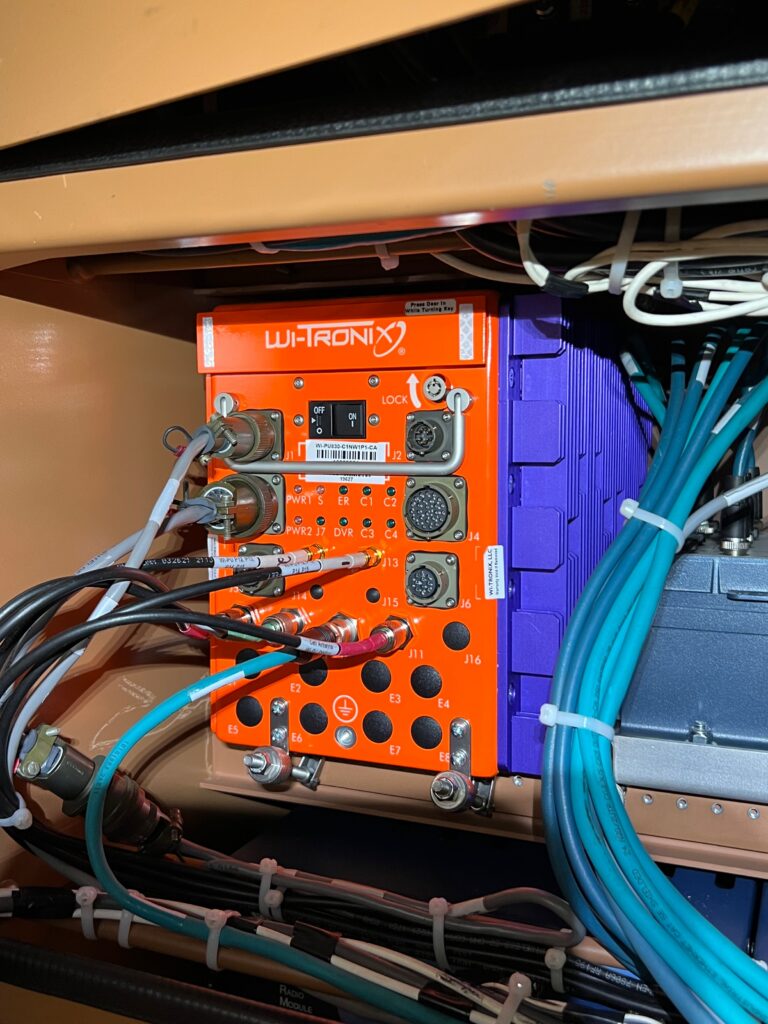
R.J. Corman had been named the preferred installation partner in April. Installations vary with locomotive configuration and can include recorders, cameras, fuel sensors and additional data-acquisition equipment. Field expertise matters because a shared software platform still needs a properly engineered connection to each vehicle.
Business-system connections matter too. The 2025 Cedar AI partnership describes an exchange in which Wi-Tronix supplies live locations and receives updated consist information, the composition of a train. That exchange is intended to automate movement updates. A useful integration can be admirably untheatrical.
The lesson a reader can copy is a sequence. Pick an expensive operating problem. Measure it well. Test the proposed change in service. Give a named team the information and responsibility to act. Then compare the result with the baseline.
That sequence needs working sensors, usable connections, appropriate access controls and staff attention. Wi-Tronix reports SOC 2 Type II compliance and publishes ISO 9001 certification information, reflecting the importance of security and quality to its buyers. Neither replaces the work of configuring a deployment and using it consistently.
A train can carry a detailed record of its journey while the people responsible for it remain short of answers. Wi-Tronix sells a way to narrow that distance. The commercial test arrives when an observation becomes a maintenance decision, a better investigation or a change in daily operations. The box has spoken. Now somebody has to do something.
Follow the railway conversation
Explore Wi-Tronix, its products, news and learning library.
Find the company on LinkedIn, X and Facebook. Watch the OmniTRAX customer interview or browse the Wi-Tronix video channel.